-
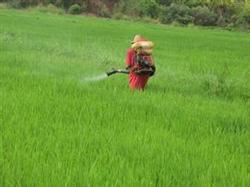
What is the best time to spray insecticide on rice?
Do not spray insecticide on rainy days; this is basic common sense that farmers understand. However, many farmers often spray at noon on sunny days, which is highly inadvisable and harmful, because: 1. At noon, the light is strong, and pests hide on the undersides of leaves and inside stems, so the insecticidal effect is poor; 2. Under high temperatures and strong light, the pesticide volatilizes and decomposes late...
-
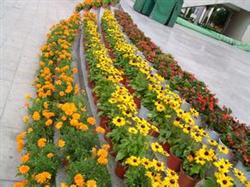
Recommended Biological Insecticides and Fungicides for Flowers
In flower production, using biological pesticides to control pests and diseases is both safe and environmentally friendly, and is very popular among flower growers in the market. Below are several commonly used insecticides and fungicides. For nicotine, the commonly used form is 10% nicotine emulsifiable concentrate, widely used to control pests such as scale insects, red spiders, aphids, and whiteflies on many flower and tree plants, with...
-
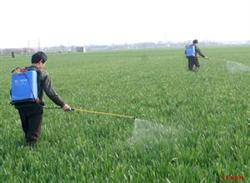
What are the precautions for using bacterial biological insecticides?
To use pesticides to control crop pests and achieve the best insecticidal effect, while selecting the right pesticide and applying it at the right time, you must, based on the three factors that affect efficacy, pay attention to solving the two easily overlooked problems of timely application and delivering the pesticide to the target. 1. The three factors affecting efficacy. 1. Climate. Application...
-
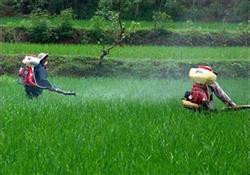
A detailed explanation of new grain insect-killing technology, scientific prevention and control of grain pests
In rural areas, this phenomenon is often encountered: when farmers spray pesticides, they do not know what pesticide they are using, nor how many times it should be diluted, and only know how many caps (pesticide bottle caps) to mix into a bucket of water. This is the true portrayal of how most Chinese farmers use pesticides today. Of course, this current situation has to do with rural...
-
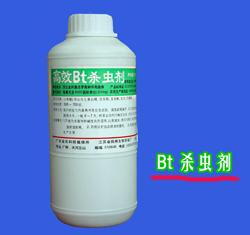
Four points to note when using Bt insecticides
Bt is a bacterial insecticide, belonging to a variety of the Bacillus thuringiensis group, and is very effective against lepidopteran larvae. When using it, pay attention to the following issues: 1. First, pay attention to the quality of Bt. Generally, it is required to contain more than 10 billion spores per milliliter (or per gram), and the application concentration is 500-700 times. If the product...
-
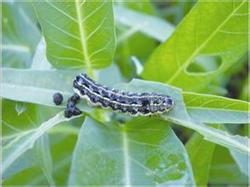
How can BT insecticide be used for the best results?
BT insecticide, namely Bacillus thuringiensis microbial insecticide, contains parasporal crystals and spore toxins that kill pests. It has good pest-killing effects, is safe for humans and livestock, causes no harm to natural enemies, and is relatively difficult for pests to develop resistance to, so it has been widely used to control crop pests. However, in practical application, because the methods are not mastered, ...
-
What does systemic insecticide mean? Read this article to understand
Plant hormones, also called plant growth regulators, are neither pesticides nor fertilizers. Their main function is to coordinate the vegetative growth and reproductive growth of plants. For vegetables, this means regulating them reasonably according to people's requirements for vegetable yield, maturity period and quality, producing high-yield, high-quality vegetables and improving their...
-
What are the main characteristics of organophosphate insecticides?
(1) Relatively broad insecticidal spectrum. The organophosphate insecticides commonly used today can control many agricultural and forestry pests, and some can be used to control public health pests and external parasites of livestock and poultry. (2) Diversified modes of action, able to meet many different needs. Most varieties have contact and stomach poison action, and some varieties...
-
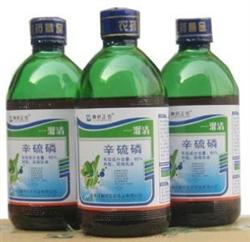
What are the characteristics of organophosphate insecticides?
Organophosphate insecticides are the most widely used and highest-volume class of insecticides in China. They come in many varieties with widely differing properties, but taken together they have the following characteristics: (1) A relatively broad insecticidal spectrum. The organophosphate insecticides commonly used today can control many agricultural and forestry pests, and some can be used to control public health pests...
-
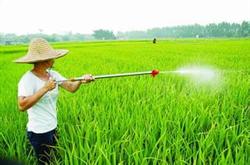
What are the scientific methods for using bacterial biological insecticides?
From rice sowing to the seedling stage, farmers should focus on controlling seed-borne diseases (bakanae disease, rice blast at the seedling stage, white-tip nematode disease, etc.), the small brown planthopper, and the first-generation stem borers. At the rice booting stage, the focus should be on controlling pests and diseases such as the rice planthopper, rice leaf roller, stem borers, ear blast, and rice false smut. At the rice ear stage, the rice planthopper is the main target, along with...
条件筛选