-
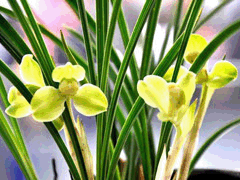
Initial success with rapid propagation techniques for Cymbidium goeringii
Rapid propagation of Cymbidium goeringii has already shown initial success
-

How to do a good job in feeding and management during the initial period after introducing goats?
Feeding and management of goats during the initial period after introduction
-
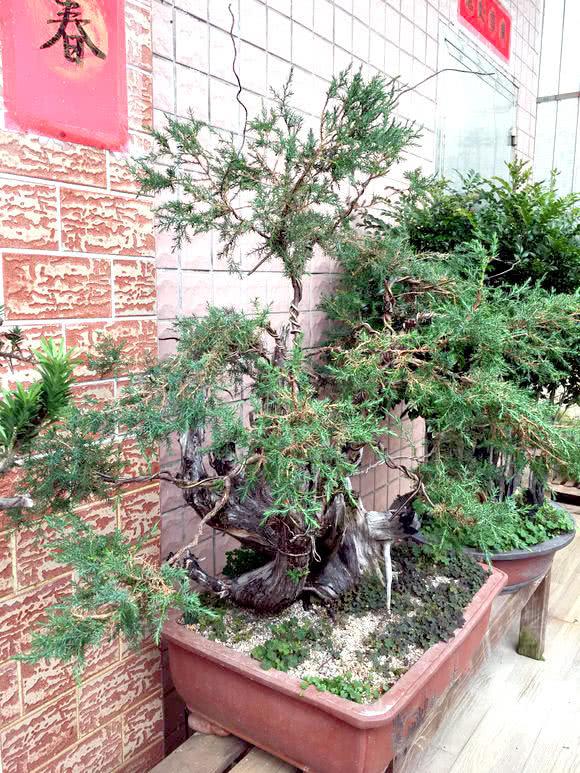
A tree stump dug from the mountain and grown for three years has just had its branches initially set, and experts estimate it is worth at least 8,000 yuan
Rural areas are vast and rich in resources, and they are the place many bonsai growers long for, because in the mountains you can dig up tree stumps you like to grow as bonsai. As bonsai became more common in daily life and more mass-produced, bonsai with real spirit became fewer and fewer, so going up the mountain to dig...
-
Feeding and Management Methods for Laying Ducks During the Initial Laying Period
Methods for Raising Laying Ducks During the Initial Laying Period
-

Hotel industry popular at De Lin campus job fair, initial match rate reaches 22%
To help young students about to enter the workplace find employment smoothly, the New Taipei City Labor Affairs Department held this year's final campus recruitment event at De Lin Institute of Technology on the 14th. De Lin Chairman Lin Hsieh Han-chien, President Lo Shih-peng, and the New Taipei City Labor Affairs Department...
-
How do you do the initial styling and care management of a Chinese ash bonsai?
Initial Styling and Care of Chinese Ash Bonsai I. Botanical Characteristics of Chinese Ash Chinese ash belongs to the Oleaceae family, genus Fraxinus. It is native to Jingshan in western Hubei, and is a deciduous tree reaching over 30 m in height. The bark of young and middle-aged trees is smooth and pale gray-green, while the bark of middle-aged and old trees has longitudinal dark gray wrinkles. The branches have strong sprouting ability
-

A Detailed Guide to Management Methods for Boer Goats in the Initial Introduction Period
Management Methods for Boer Goats in the Initial Introduction Period
-
Key Points for Initial Management of Tea Seedlings After Winter Planting
In our province, tea seedlings are mostly planted from November to February of the following year, but this year rainfall has been low since the start of autumn, making a continuous drought through autumn, winter and spring highly likely, so attention must be paid to managing newly planted tea seedlings. 1. Drought relief and seedling protection: During the initial period after planting (within one month), keep the nearby soil moist. Because the weather has recently been rather dry, water once a day, and make sure to water thoroughly each time. Since midday temperatures are currently high, do not water at noon; water in the afternoon or evening each day instead.
-
Detailed Explanation of Key Technical Points for Weaning and Initial Breeding Selection of Foxes, Raccoon Dogs and Minks
1 Key Points of Weaning Before weaning the cubs, first check the cages and boxes to be used once, repair any damage, and then disinfect them all for later use. Then clean and disinfect the required food trays and water boxes, to be used after the cubs are weaned. Fox cubs are generally weaned at 35-60 days of age, raccoon dog cubs generally at 45-60 days of age, and mink cubs generally at 40-45 days of age. Cubs must not be weaned too early; weaning too early weakens their independent living ability, affects their growth and development, and easily causes disease or even death;
-
Initial Success Achieved in the Bag-Cut-Free Cultivation Technology for Shiitake Mushrooms
The bag-cut-free technology for shiitake mushrooms is a new technology introduced by Lingbao City. The use of this technology has three major advantages: first, it saves labor and time; second, it reduces costs; third, the product is pollution-free. In view of the above characteristics, the Lingbao City Edible Fungus Office, taking into account the city's natural environment, decided to introduce this technology. In 2006, trial cultivation was carried out by Ping Yinci of Hangu Pass Town. Through two years of careful research and experimentation in 2006 and 2007, Comrade Ping Yinci accumulated a certain amount of production technology and experience, and basically mastered the production and management methods of this technology. In 2008, the City Edible Fungus Office decided
条件筛选