-

What to Do When Chicken Immunization Is Ineffective? Cause Analysis and Countermeasures
Now many chicken farmers generally report the following problems: (1) The flock is fine when not vaccinated, but as soon as they are vaccinated, the flock breaks out with disease. (2) Sometimes the flock breaks out with disease before they have even been vaccinated. (3) No matter what measures are taken, the immune effect of the vaccine is always poor. Why do these problems occur? The reason is that the chickens' immune organs have been damaged. After the immune organs of chickens are damaged, the body's resistance to bacterial and viral infections declines, and the flock is very prone to large outbreaks of various epidemic diseases, bringing huge economic losses to the poultry industry. So
-
What are the reasons for pig immunization failure?
(1) The immunization program is unreasonable. Only a scientific immunization program will produce good immunity; if the immunization program is unreasonable, the immunity will be correspondingly reduced. With the conventional rush immunization injections in spring and autumn, because of missed prevention and missed injections, some pigs that should have been immunized do not receive immunization, causing some pigs to become ill. (2) The epidemic prevention system is not strict. Some epidemic prevention workers and pig raisers, fearing that piglets will have a reaction and die after vaccination, do not carry out immunization injections, resulting in a decline in the immunization coverage rate of the pig herd
-
What are the four major factors that determine the success or failure of chicken immunization?
I. Vaccine factors 1. Selection of vaccines: Products produced by biological products enterprises that have passed GMP acceptance and have a formal production license and approval number from the Ministry of Agriculture should be purchased. When purchasing, carefully inspect the vaccine vials. Any vial that is broken, has no label, has unclear label printing, has a loose cap, contains impurities, has changed color, shows separation of the emulsion layer in inactivated vaccines, is expired and ineffective, or has not been stored under the prescribed conditions must not be selected. 2. Storage of vaccines: Store strictly according to the requirements of the instructions, avoiding repeated freezing and thawing caused by fluctuating temperatures, which can inactivate the vaccine or reduce its potency; direct sunlight is strictly prohibited; vaccines that have been diluted and are not used up, as well as vaccine vials and instruments, must be inactivated.
-
Detailed Explanation of Nine Immunization Methods for Chickens
Immunization is an indispensable task on chicken farms, and the success or failure of immunization is directly related to the level of chicken farming profitability. Practice has proven that under the same conditions, choosing an effective immunization method can achieve better immunization results. The author has collected the experiences of some chicken farmers and, combined with theory, summarized ten methods and the applicable vaccine types, for the reference of the majority of chicken (goose and duck) farmers. 1. Intranasal and intraocular drip method. Dilute a 500-dose vaccine with 25 ml of sterilized physiological saline and shake well, then use a standard dropper (a plastic eyedropper bottle also works) to place one drop (about 0.05 ml) in each chicken's eye and nostril, allowing the vaccine to be inhaled from the trachea into the lungs and seep into the eyes. This method is suitable for vaccinating chicks with Newcastle disease virus vaccine strains II, III, and IV and with attenuated vaccines such as infectious bronchitis and infectious laryngotracheitis. It ensures uniform vaccination of chicks and produces relatively good immunization results, and is called by the farming industry the best method for attenuated vaccines.
-
How are pig immunization programs formulated? Mastering these key points is crucial
With the continuous development of the pig farming industry, the breed quality of pigs is gradually improving, and their numbers are also increasing; the pig farming industry has created relatively good economic benefits for the vast number of pig farmers. Entering the second half of 2002, the pig market rose steadily, with the selling price of fattening pigs at 6.40-6.80 yuan/kg: the selling price of commercial piglets at 12.00-13.50 yuan/kg: in the spring of 2004, pig prices reached their highest value in recent years, with the selling price of fattening pigs at 7.60-8.20 yuan/kg: the selling price of commercial piglets at 13.50-
-
What problems exist in the process of chicken immunization and medication?
With the development of the broiler farming industry, many farmers regard raising broilers as a way to get rich, but the following two major problems still exist in raising them. (1) Blindly copying outdated immunization programs: many chicken farmers immunize only once with Newcastle disease strain IV vaccine and do not immunize with any other vaccine until sale; some chicken farmers have infectious bursal disease of chickens in every flock, and the yolk fluid used for therapeutic injection contains Newcastle disease antibodies, thereby interfering with the immune effect of the Newcastle disease vaccine; in infectious bronchitis epidemic areas, absolutely
-
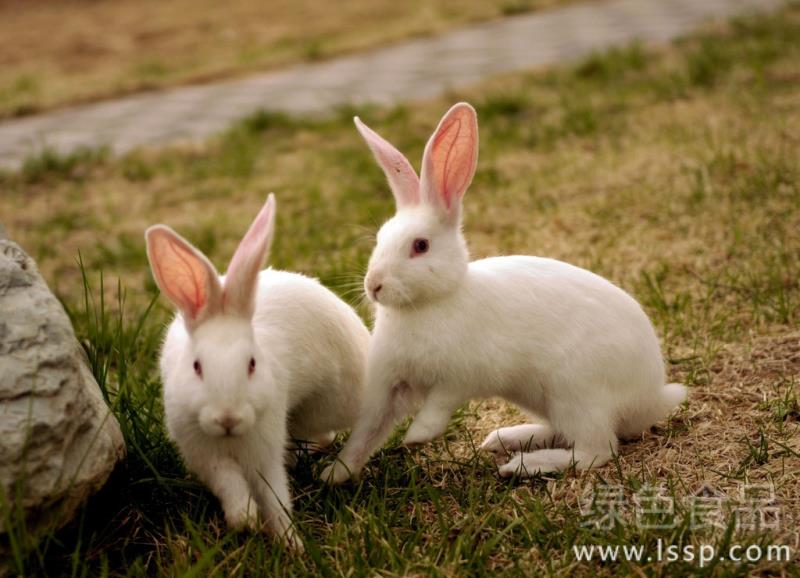
5 contraindications for immune injection in domestic rabbits; only reasonable immunization brings healthy rabbits
Reasonable immunization brings healthy rabbits: 5 contraindications for immune injection
-
Detailed Explanation of Key Points in the Disease Immunization Program for Silkie Chickens
Bacterial diseases in Silkie chickens can be prevented and treated with antibacterial drugs, while viral diseases can only be prevented through immunization. Therefore, formulating a reasonable immunization program is particularly important. Only with a scientific and reasonable immunization program can the health of the flock be ensured, thereby achieving maximum economic benefits. The formulation of an immunization program should, first, be based on the epidemic situation of diseases in the local area and the rearing environment, that is, no prevention is needed for infectious diseases that have never occurred in the local area; diseases that have not occurred before in the local area but have just begun to occur and are seriously harmful must be prevented; and those that occur frequently and are seriously harmful
-
Detailed Explanation of Immunization Programs for Common Pig Diseases
I. Immunization program for growing-finishing pigs (1) 1 day of age: super-immunization with attenuated classical swine fever vaccine; before the piglet consumes colostrum after birth, inject one dose of attenuated classical swine fever vaccine first, and let the piglet consume colostrum 1-2 hours later; this is suitable for farms where classical swine fever frequently occurs; (2) 7-15 days of age: enzootic pneumonia vaccine; (3) 10 days of age: infectious atrophic rhinitis vaccine, intramuscular or subcutaneous injection; (4) 10-15 days of age: piglet edema vaccine; (5) 20 days of age: intramuscular injection of classical swine fever vaccine; (6) 25-
-
Study on Immunization Methods against Swine Trichinellosis and Biochemical Characteristics of Trichinella Antigens
1. Biochemical characteristics of Trichinella antigens: For the first time, advanced techniques including sodium dodecyl sulfate-polyacrylamide gel electrophoresis (SDS-PAGE), isoelectric focusing (IEF), two-dimensional electrophoresis and enzyme-linked immunoelectrotransfer blot (EITB) were applied to analyze 4 types of Trichinella antigens. The analysis showed that the soluble antigen of muscle larvae contains at least glycoproteins, lipoproteins, glycolipoproteins, simple proteins, polysaccharides and esterase isozymes. Two-dimensional electrophoresis revealed 122 polypeptide spots, most of which were acidic polypeptides with molecular weights below 67 KD.
条件筛选