-

What does the idiom "qiong zhu nan shu" (too many crimes to record) mean?
Qiong zhu nan shu means that even if all the bamboo is used up, it still cannot be written out completely; it is a metaphor for facts (mostly crimes) being so numerous that it is hard to finish describing them. It comes from "Lu Shi Chun Qiu": "The things produced by a chaotic state, even using all the bamboo of Jing and Yue, still cannot be written down." and "Han Shu - Gong Sunhe Zhuan": "The bamboo of the southern mountains is not enough to receive my words, and the wood of the Xie Valley is not enough to make my instruments."
-
What does the idiom "zhu si ma ji" (spider silk and horse tracks) mean, and which animal does it refer to?
"Zhu si ma ji" is an idiom known to everyone, originating from the Qing dynasty work "Preface to Bieya" by Wang Jiaben: "Greatly opening the door of interchangeable and borrowed characters, overflowing and vast, one almost suspects that no character in the world cannot be used interchangeably, yet in reality the spider silk and horse tracks, in their original and complete form, are all present in ancient books." So what does zhu si ma ji mean?
-
The Meaning of the Idiom "Dragonfly Skimming the Water" and the Purpose of a Dragonfly Dipping Its Tail in the Water
Dragonflies are typical hemimetabolous insects: in the stage of transforming from nymph to adult, they do not go through the process of forming a pupa. A dragonfly flies over the water surface, its tail tip close to the water, dipping the water little by little with its tail tip, which is what is commonly called "dragonfly skimming the water." So what does dragonfly skimming the water
-
The origin of the idiom "A cunning rabbit has three burrows" and a detailed explanation of its meaning
When the flying birds are all gone, the good bow is put away; when the cunning rabbit dies, the running dog is cooked. This refers to the Spring and Autumn period, when Fan Li, a senior official of the State of Yue, urged King Goujian of Yue, who had been defeated by the State of Wu and taken captive, to endure humiliation and surrender, biding his time to take revenge. Goujian followed his advice, and in the end finally defeated the State of Wu. King Goujian of Yue
-
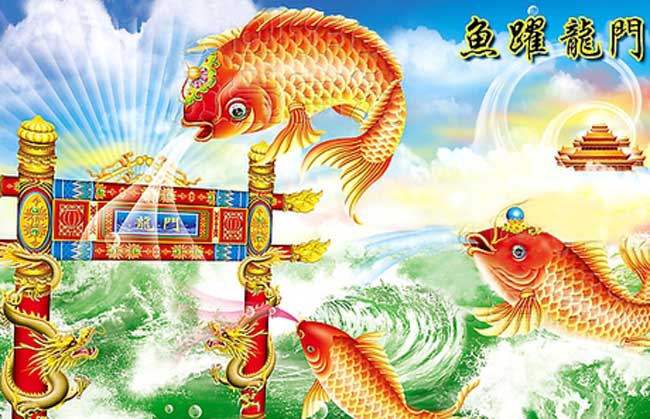
The Legend of the Carp Leaping Over the Dragon Gate and a Detailed Explanation of the Idiom's Meaning
The Legend of the Carp Leaping Over the Dragon Gate and the Idiom Explained
-

The idiom story and detailed meaning of "Qian Lü Ji Qiong" (The Guizhou Donkey Exhausts Its Tricks)
The story and meaning of "Qian Lü Ji Qiong"
-
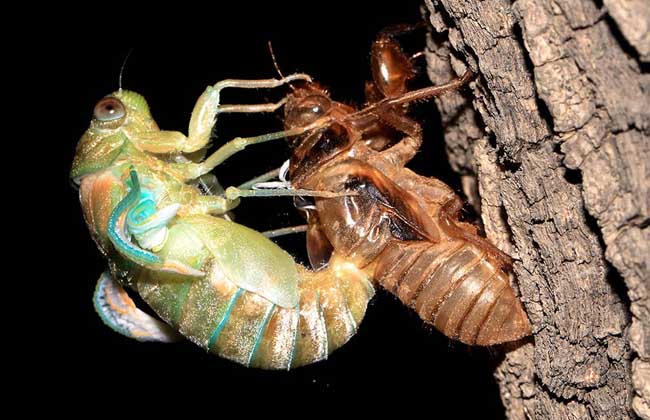
What does "Golden Cicada Sheds Its Shell" mean? A detailed explanation of the idiom's meaning and origin
What does "Golden Cicada Sheds Its Shell" mean
-

What does "muhou erguan" mean? A detailed explanation of the idiom's meaning
The meaning of "muhou erguan"
-

What does "qiong zhu nan shu" (too numerous to record) mean? A detailed explanation of this idiom's meaning
What does "qiong zhu nan shu" (too numerous to record) mean?
-

What does "tan hua yi xian" (a fleeting show) mean? A detailed analysis of the idiom's meaning
[What does "tan hua yi xian" mean] An analysis of the meaning of "tan hua yi xian"
条件筛选