-

Identification of 8 Common Cucumber Pests and Diseases and Pesticide Control Methods
Cucumber pest and disease control techniques: introducing the damage characteristics and chemical and biological control methods for downy mildew, powdery mildew, gray mold, anthracnose, angular leaf spot, leafminer, whitefly and melon aphid, to help you apply the right pesticide and grow good cucumbers.
-
Identification of Symptoms of Powdery Mildew on Japanese Honeysuckle and Detailed Explanation of Prevention and Control Methods
Japanese honeysuckle (Lonicera japonica) is a perennial vine-like shrub of the genus Lonicera in the Caprifoliaceae family. Its buds and nearly opened flowers are used as medicine, and the leaves and branches can also be used as medicine. It has the effects of clearing heat and detoxifying, and it is now cultivated in many cities and counties from south to north in China. Powdery mildew is a common disease on Japanese honeysuckle, occurring widely in all cultivation areas across the country, with serious damage
-
Identification and Control Methods for Common Pests and Diseases of Bonsai
Control of Bonsai Pests and Diseases. Trunk and branch diseases: These manifest as rot of the phloem and cambium of the trunk and branches, stem rot and cankers on the trunk and branches, surface rot of the trunk and branches, decay of the heartwood, and spots on the twigs. Usually, Bordeaux mixture should be sprayed, followed by lime sulfur mixture, and the decayed parts should be scraped off.
-
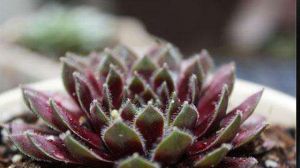
What is the difference between Sempervivum arachnoideum and Sempervivum 'Purple Beauty'? A detailed guide to identification
Leaf differences: Sempervivum arachnoideum has tightly packed leaves arranged in a rosette shape, with obovate leaves and white hairs at the leaf tips; Sempervivum 'Purple Beauty' has waxy leaves with small fine hairs along the edges, thick leaves, and a rosette form. Flower differences: Sempervivum arachnoideum has pink flowers about 2 cm in diameter; Sempervivum 'Purple Beauty' has cyme-like panicle inflorescences, with colors including red, white, yellow, and more.
-

A detailed guide to orchid variety identification methods, teaching you how to identify orchids
Methods for identifying orchid varieties
-
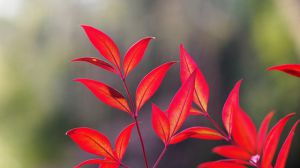
How to Identify Heavenly Bamboo 'Hongye'? Master These Identification Methods
Appearance: about 60-120 cm tall, few branches, upright, very dense branches and leaves, relatively compact tree shape. Leaves: alternate, thinly leathery, entire. In winter they are bright red, in spring, autumn and summer they are dark green. Flowers: panicles, white. Fruit: spherical, 2 seeds, red.
-
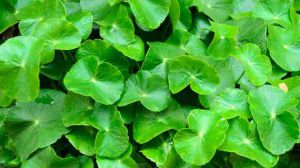
How to Identify Centella asiatica? Master These Identification Features
Leaves: kidney-shaped, round, or horseshoe-shaped, with bluntly toothed margins, petioles about 1.5-27 cm long, green. Flowers: umbels, purplish-red or creamy white. Fruit: spherical, base heart-shaped then becoming flat-topped, compressed on both sides, with longitudinal ridges on each side and small net-like transverse veins.
-
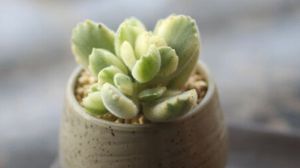
How to Identify a Bear's Paw (Cotyledon tomentosa)? Master These Identification Methods
Appearance: The plant grows about 30 cm tall, with a spread of 11-12 cm, and cylindrical green stems. Leaves: obovate-lanceolate to oblong-ovate, flat and spoon-shaped, green, densely covered with short white hairs, with tips that look like bear paws. Flowers: dichasial cymes, yellow petals, blooming from July to September.
-

Identification of Symptoms of Gray Mold in Phalaenopsis and Its Prevention and Control Methods
Symptoms and Prevention of Gray Mold in Phalaenopsis
-

Symptom Identification and Prevention Methods for Foot-and-Mouth Disease in Cattle and Sheep
Symptoms and Prevention Methods of Foot-and-Mouth Disease in Cattle and Sheep
条件筛选