-

How to grow Cotoneaster horizontalis? A detailed guide to the latest cultivation methods
Cotoneaster horizontalis, also known as creeping centipede, little-leaf cotoneaster, dwarf red cotoneaster, etc., is a semi-evergreen prostrate shrub of the genus Cotoneaster in the rose family. As an excellent material for rock gardens, courtyards, green spaces, wall edges and corners, it can be used as ground cover and for making bonsai, and its fruiting branches can also be used for flower arranging, and
-
Cotoneaster horizontalis Fruit Edibility and Bonsai Care: Watering, Pruning, and Yellowing Leaf Treatment
Cotoneaster horizontalis, also known as Goucimu, Yanlengzi, and Shantou Guniang, grows in shrub thickets at an altitude of 2000-3500 m. The flowering period is May-June, and the fruiting period is September-December. So can the fruit of Cotoneaster horizontalis be eaten? How do you grow it as a bonsai? How do you water and prune it? What should you do if the leaves turn yellow?
-
What kind of soil is best for caring for Cotoneaster horizontalis?
Cotoneaster horizontalis is a semi-evergreen creeping shrub, now generally used as a garden landscape plant, with relatively high ornamental value. So if you grow Cotoneaster horizontalis in your own yard, what kind of soil is best? Let's take a look! 1. What kind of soil to use for Cotoneaster horizontalis
-
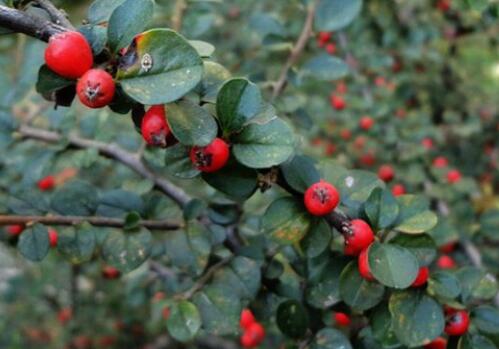
How much do semi-evergreen Cotoneaster horizontalis seedlings cost? Can the fruit be eaten, and how to prune and grow them as bonsai
Cotoneaster horizontalis generally refers to Cotoneaster horizontalis, which grows on hillsides above 1000 m in altitude, in mountain ridge shrublands or in rock crevices. The flowering period is May-June, and the fruiting period is September-October. So how much does a Cotoneaster horizontalis seedling cost per plant? Can the fruit be eaten? How to prune? How to plant and care for it as a bonsai? According to Shuyang nursery companies
-
条件筛选