-

Application and Purchasing Points of Solar Insecticidal Lamps in Facility Agriculture
Solar insecticidal lamps are a good helper for green prevention and control in facility agriculture. This article explains their light-lure and electric-shock insect-killing principle, key points for installation and use, and purchasing considerations, helping growers spray less pesticide and control pests scientifically.
-

Peru's Top Five Avocado Exporter ACP's Export Volume Halved: Only 23,000 Tonnes in the 2026 Season
Leading Peruvian avocado company Agrícola Cerro Prieto exported 23,000 tonnes this season, down 45.2% from 42,000 tonnes the previous year, with weather shortening the season as the main cause.
-
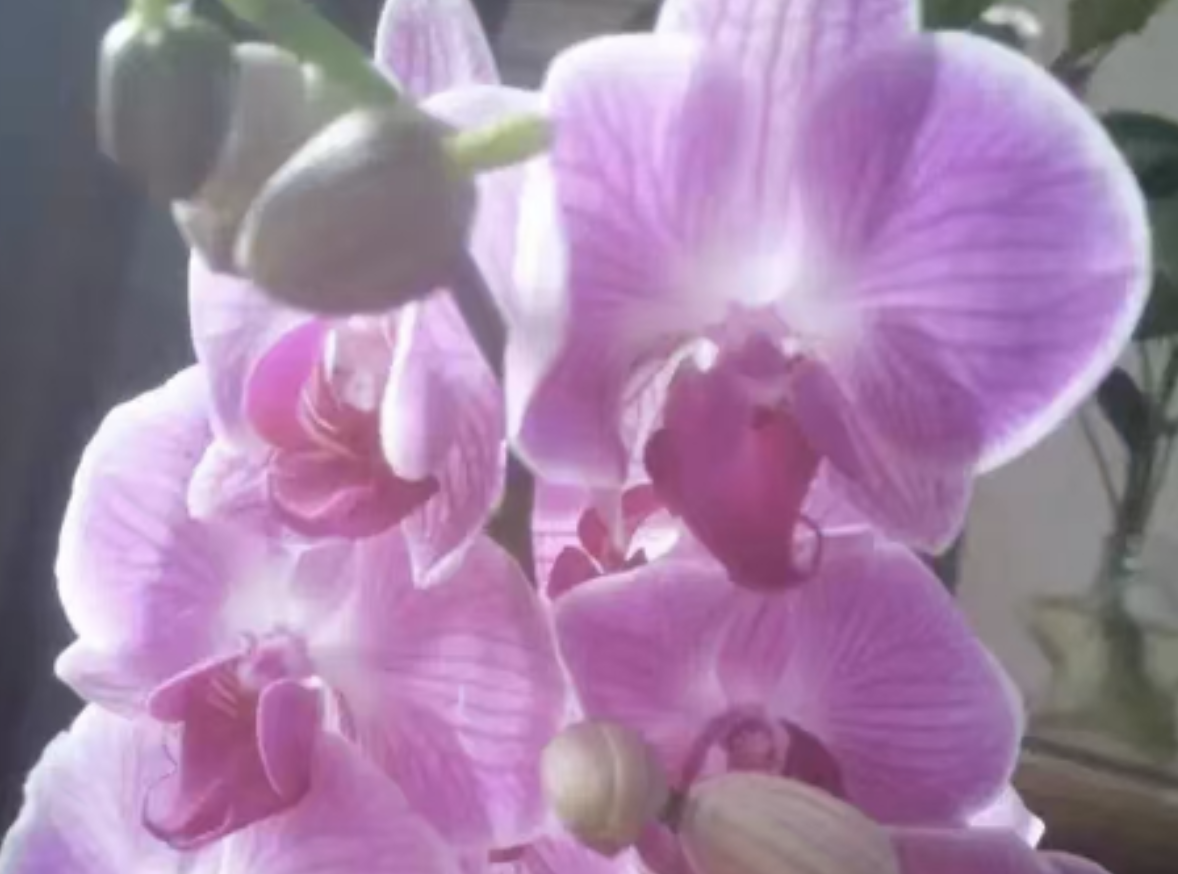
How should you handle it if your orchid has rotten roots to save it?
When it comes to Phalaenopsis orchids, they’re a favorite for many plant lovers, known for their elegant and ethereal flowers. However, one common problem is
-
How to Determine if a Phalaenopsis (Moth Orchid) Has Entered Its Growing Period
# The Key to Growing Phalaenopsis (Moth Orchids): Master Their "Growth Rhythm" The most crucial aspect of growing phalaenopsis is understanding their "growth
-
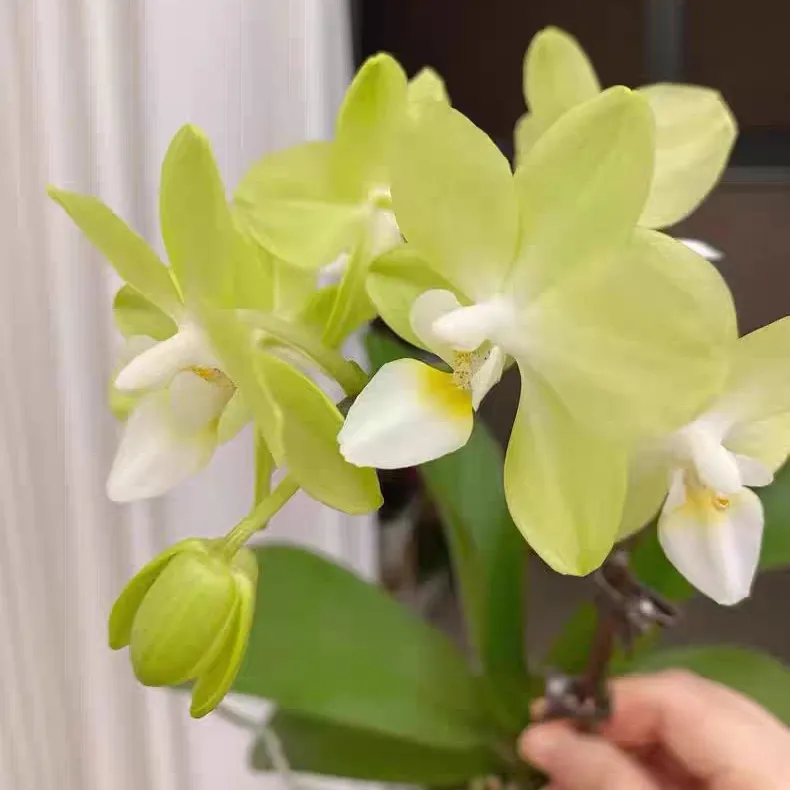
How to determine if a phalaenopsis (moth orchid) has entered its growing period?
# How to Care for Phalaenopsis: Master Its Growth Rhythm The key to caring for phalaenopsis (moth orchids) lies in understanding their "growth rhythm"—if you
-
What to do when a Phalaenopsis orchid has stem rot and only the roots are left, can it still be saved?
Gardeners who grow Phalaenopsis orchids have probably all experienced this kind of crushing moment: an orchid that was perfectly fine suddenly has roots that are rotten, black and slimy, falling off at the slightest touch, and when you lean in there is a sour, foul smell, the leaves droop limply downward, and the stem even has brown rotten spots... At this point many people think "it's hopeless" and just toss it into the trash. But the
-

How to Tell If a Phalaenopsis Orchid Has Root Rot and How to Treat It to Save It
Speaking of Phalaenopsis orchids, they are a favorite of many plant lovers, blooming with an elegant, fairy-like beauty. But as you care for them, the dreaded problem of root rot can strike. How can you tell if a Phalaenopsis has root rot? Unlike ordinary plants, Phalaenopsis roots are plump, semi-transparent aerial roots. When healthy, they feel firm to the touch and have a greenish or silvery-white color; look closely and you will see tiny fuzz on the roots, which are great helpers for absorbing nutrients and water.
-

How to Tell If the Bark Has Fallen Off Your Phalaenopsis and What to Do About It
Anyone who grows phalaenopsis knows that the layer of bark at the bottom of the pot is not just decoration - it is what provides water retention and airflow. When the bark in the pot comes tumbling out, does that count as the bark falling off? So how do you tell whether the bark has fallen off, and what should you do once it has? The most direct way to see that the bark has come off is to look at the drainage holes at the bottom of the pot - normally
-

How to tell when orchid bark has gone bad and how to replace it?
Fellow Phalaenopsis growers have surely run into the problem of spoiled bark, right? In fact, bark is the Phalaenopsis's "staple food," and once it spoils it directly affects the health of the orchid. Today let's talk about how to tell whether the bark has gone bad and how to replace it. How can you tell the bark has spoiled? The most direct way is to smell it. Fresh bark
-

What does it mean when a Phalaenopsis orchid has a flower spike? What is the difference from one without a flower spike?
During the care of Phalaenopsis orchids, the appearance of a flower spike often fills people with anticipation and surprise. So what exactly does a Phalaenopsis orchid with a flower spike mean? And how does it differ from a Phalaenopsis orchid without a flower spike? The flower spike of a Phalaenopsis orchid is not an ordinary leaf, but a slender stem growing from the center of the plant or from a leaf axil.
条件筛选