-

What are the harmful symptoms of mushroom wet bubble disease?
Long-term research has found that this pathogen infects only the fruiting bodies and not the mycelium. It takes about 11 days from the start of infection for a mushroom to show initial symptoms, and growing mycelium can accelerate the germination of Mycogone perniciosa spores. When the first flush of mushrooms is affected, the source of infection is usually the casing soil and old mushroom shelves; when later flushes are affected, it is caused by re-spread through water, tools and human operations: infection during the pinhead formation stage is shown by: before normal mushrooms appear, diseased mushrooms grow in large numbers, and diseased mushrooms generally fruit 3-4 days earlier than normal mushrooms; if infection occurs during the young pinhead growth stage, although the diseased mushrooms continue to grow, the caps develop abnormally or stop developing, the stems swell, become deformed and deteriorate, and appear twisted and misshapen. In the later stage the diseased mushrooms are hollow inside, and white cottony mycelium grows at the junction of the cap and stem and at the base of the stem, later turning dark brown and exuding brown liquid as it rots, giving off a foul odor.
-
Sheep nasal bot fly disease is highly harmful; how should it be prevented and treated?
Sheep nasal bot fly disease is a parasitic disease caused by the bot fly parasitizing the nasal cavity and cranial sinuses of sheep. In recent years, among the flocks raised by farmers in our region, because insufficient attention was paid to the prevention and treatment of bot fly disease, the infection rate of sheep nasal bot fly disease rose sharply, affecting the normal growth and development of sheep and seriously affecting the fattening results of sheep. Through in-depth systematic investigation and study of sheep nasal bot fly disease among farmers and farms, and observation of prevention and treatment, the author achieved relatively good results, now reported as follows: 1. Pathogen
-
How harmful is oleander to goldfish?
Oleander, also known as willow-leaf peach, belongs to the genus Nerium in the family Apocynaceae. It has been introduced into China for a long time and is cultivated in various places; it is a common ornamental flower in gardens. The entire oleander plant is highly toxic, and accidental ingestion by humans or livestock is dangerous. There are numerous instances in which oleander leaves, petals, fruits and small branches falling into goldfish tanks have caused the death of all the young and adult goldfish. The reason is that oleander mainly contains cardiac glycosides such as yellow oleandrin A, yellow oleandrin B, oleandrin A, yellow oleandrin A monoside methyl, yellow oleandrin A monoside ethyl and yellow oleandrin C, which have highly toxic effects on fish and can cause acute
-
Harmful Characteristics and Pathogen Analysis of Robinia Mosaic Disease
Robinia mosaic disease is a common disease of black locust (Robinia pseudoacacia). It begins to occur in spring from April to May. Its symptoms manifest as systemic mosaic. The leaf color is uneven, with some leaves showing mottling of intermingled light green and dark green, and presenting blister-like spots. Some leaves are deformed; the leaf shape becomes narrower and longer, and in severe cases becomes linear. In some leaf axils, adventitious buds sprout and produce thin, weak small branches with extremely short internodes, and the leaves are narrow and small; the axillary buds of the small branches sprout again and produce small branches and leaves, and in this way they sprout and grow level by level, forming a clustered branch state with dense branches and leaves. This affects the normal growth of the tree. After young trees are affected, they gradually
-
What are the ecological and human health hazards of excessive nitrogen fertilizer application?
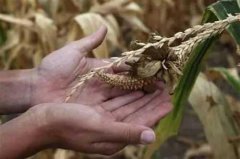
Excess nitrogen fertilizer in vegetables and fruits: beware of cancer. Have you ever heard of this? Food safety is becoming more and more fragile nowadays, so we must pay more attention ourselves. Although eating vegetables and fruits is good for health, when nitrogen fertilizer is used excessively, the nitrate present in leafy vegetables can trigger esophageal
-
Is mosquito-repellent plant harmful to humans? Introduction to proper cultivation methods
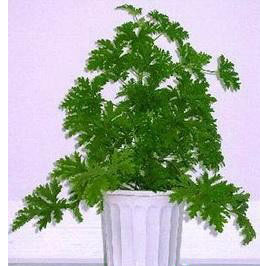
Mosquito-repellent scented geranium is a perennial herbaceous plant. After receiving sunlight and water, it has strong vitality. Normal cultivation has certain requirements for the ambient temperature. Its survival temperature is above zero degrees. The higher the temperature, the more fragrance molecules it releases. In summer, when mosquitoes breed in large numbers, the temperature is also at its highest.
-
What are the harmful symptoms of chrysanthemum virus disease?
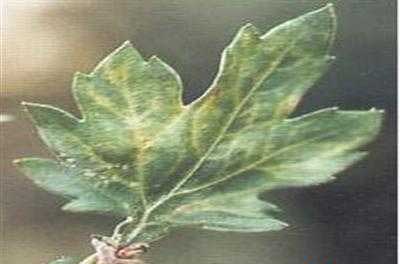
Viral disease is an important disease in chrysanthemum cultivation, with a wide distribution range. It occurs throughout China. Chrysanthemum viral diseases include chrysanthemum infertility virus, chrysanthemum mosaic disease, chrysanthemum malformation disease, and others. 1. Chrysanthemum infertility virus disease, whose pathogen is Tomato aspermy virus
-
Dairy cow acidosis is very harmful if not treated promptly; how can it be prevented and treated?
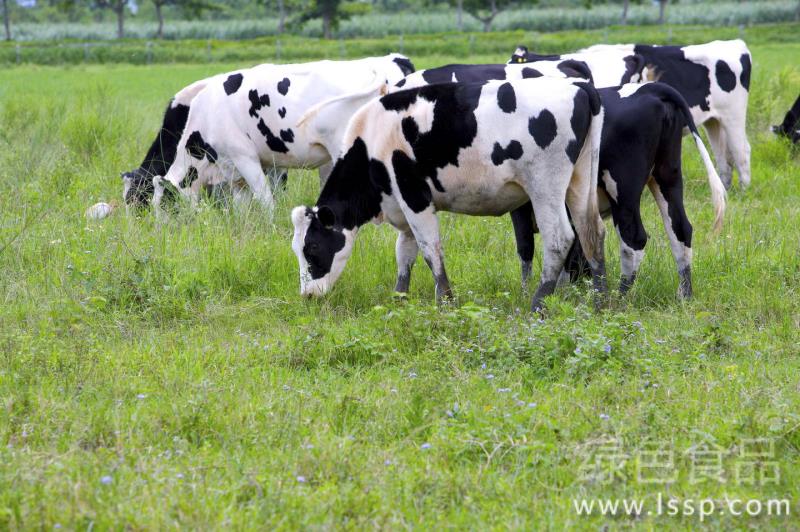
If acidosis is not treated promptly, it leads to poisoning; how to prevent and treat acidosis in dairy cows
-
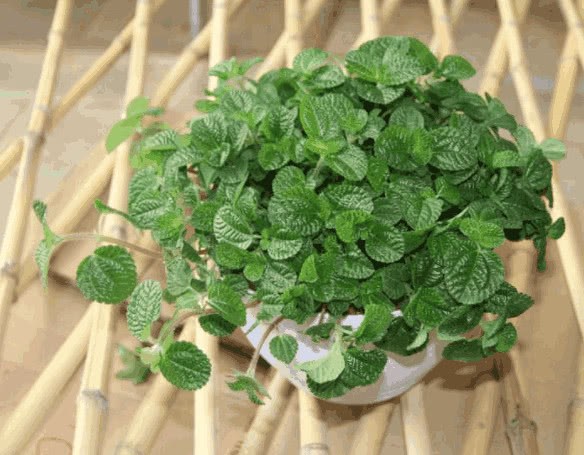
Potted plants that purify the air are suitable for keeping at home; they absorb harmful gases and help keep the family healthy
For purifying the air, you need "it"; keep a pot of it at home, and it absorbs harmful gases and helps keep the family healthy. After renovating a new home, you need to air it out, because many building and decoration materials release toxic and harmful substances over the long term, and this is...
-
条件筛选