-
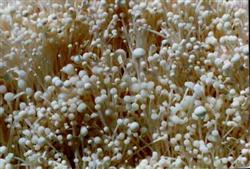
How to reuse enoki mushroom waste? Practical methods shared
During the spawn-running period, enoki mushrooms (Flammulina filiformis) often show abnormal phenomena due to improper management and other reasons. The causes and preventive measures for the main problems reported by mushroom growers are introduced below for reference. 1. Spawn blocks fail to germinate. After inoculation, the spawn does not germinate, and the mycelium turns yellow and withers. Causes: (1) The spawn has been stored for too long...
-
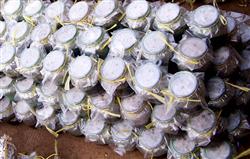
How to prevent spawn degeneration in button mushrooms? Practical prevention and control methods shared
How to prevent spawn degeneration in button mushrooms? Please provide methods to prevent spawn degeneration in button mushrooms. It can increase yield, reduce the occurrence and development of pests and diseases, and reduce pesticide use. It is the foundation of organic button mushroom production. The following methods can be used for prevention: 1. The ambient temperature for culturing spawn must not exceed 2...
-

How to control mushroom mites? Four trap-killing methods shared
Mushroom mites are one of the common pests in mushroom production. Controlling them with low-concentration chemical pesticides often yields poor results. Below are four methods for trap-killing mushroom mites, which are quite effective and can be chosen by mushroom growers. Rapeseed cake trap method: Heated rapeseed cake has a strong oily fragrance. On the bed surface where mushroom mites are causing damage, lay several pieces of wet cloth, and place gauze on top of the wet cloth. Sprinkle freshly roasted rapeseed cake powder on the gauze. After the mushroom mites gather on the gauze, remove it and scald them to death with boiling water. Sugar-vinegar trap method: Use
-
How to keep edible mushrooms fresh? Ten practical methods shared
1. Cold storage preservation: After harvesting, the fresh mushrooms are sorted and placed in baskets, covered with multiple layers of wet gauze or burlap. In a cool place, place a vat containing a small amount of clean water, set a wooden rack above the water, place the baskets on the rack, and seal the vat opening with plastic film. 2. Dormancy preservation: After harvesting, place them indoors at above 25°C for 3-5 hours to encourage vigorous respiration, then place them in cold storage at around 0°C for about 12 hours; at around 20°C, the fresh-keeping period is about 4-5 days. 3. Controlled atmosphere preservation: This method artificially controls the temperature of the environment
-
How to prepare a yield-increasing agent for edible fungi? Detailed method shared
Applying this agent can increase the yield of edible fungi by 15%-30%. 1. Raw material ratio (by weight): 1 part naphthaleneacetic acid, 14 parts boric acid, 20 parts zinc sulfate, 26 parts magnesium sulfate, 39 parts starch. 2. Preparation method: grind the above raw materials into fine powder, mix well, and package in glass bottles or plastic bags in 50-gram portions. 3. Usage (using black fungus as an example): before the fruiting bodies of black fungus form, dilute each 50 grams with 50 kg of water, and spray it onto the mushroom bed or bag substrate with a sprayer, preferably until the surface of the substrate is moistened. This agent is suitable for wood ear fungus, straw mushroom, button mushroom, shiitake, and others.
-
How to make shiitake mushroom stem meat floss? Detailed preparation method shared
① Material selection: There are two kinds of mushroom stems, one is dried mushroom stems, and the other is fresh mushroom stems. In order to ensure that the product has a strong shiitake mushroom flavor, dried shiitake mushroom stems are required as the raw material. The stem base of dried mushroom stems carries sawdust, so the base must be removed to avoid affecting the flavor of the product. At the same time, sorting must be carried out to remove moldy and spoiled mushroom stems. ② Softening: Soak the mushroom stems in clean water at a ratio of 1 to 2. Cold water soaking is preferable to prevent loss of nutrients. The soaking time is generally controlled at 4 to 5 hours. ③ Pressing: Take the mushroom stems out of the water
-
How to store shiitake mushrooms? Practical preservation methods to share
1. Dry storage. Shiitake mushrooms are highly absorbent and not easy to store; when their moisture content is high, they easily oxidize and spoil, and mold develops. Therefore, shiitake mushrooms must be dried before they can be stored. An appropriate amount of moisture-absorbing agents such as lump quicklime or dry charcoal must be placed in the storage container to prevent moisture from returning. 2. Low-temperature storage. Shiitake mushrooms must be stored in a low-temperature, ventilated place; if conditions allow, the container holding the shiitake mushrooms can be sealed and then placed in a refrigerator or cold storage. 3. Light-proof storage. Infrared rays in light will raise the temperature of shiitake mushrooms, and ultraviolet rays will trigger photochemical
-
How to identify contaminant fungi in edible mushroom cultivation? Simple identification methods to share
During the cultivation of edible mushrooms, various harmful organisms and abiotic disturbances often occur. Mushroom growers all consider contaminant fungi to be a major enemy in production, and they must be recognized and prevented in advance, with targeted control, in order to ensure a good harvest. 1. Competitive contaminant fungi are mainly some saprophytic fungi that compete with edible mushrooms for nutrients, water and oxygen in the substrate, especially in the early stages of cultivation management when they are more likely to invade the mushroom blocks, secrete toxins, and inhibit the expansion and spread of the edible mushroom mycelium. 2. Infectious and non-
-
How to Identify the Quality of Edible Mushroom Spawn? Practical Tips Shared
Edible mushroom spawn, like the seeds of crop vegetables, is the internal factor and foundation for achieving high and stable yields. The quality of the spawn directly affects the yield of edible mushrooms and even determines the success or failure of cultivation. Therefore, identifying and assessing the quality of spawn is very important. 1. Look 1. Check whether there are abnormal spots or patches of red, yellow, black, green, etc. around or on the surface of the substrate in the spawn bottle (bag). If any of the above phenomena exist, it indicates that the spawn has been contaminated by foreign molds (except for varieties that produce pigments, such as shiitake and nameko),
-
How to mix topdressing for oyster mushrooms? 6 practical formulas to share with everyone
1. Chicken manure water: Use 5 kg of chicken manure, add 20 kg of water, boil and filter, then add water to dilute to 100 kg, spray 0.5-1 kg per sq m, which can promote thick and strong mushroom growth. 2. Plant ash liquid: Use 5 kg of plant ash, add 20 kg of water and soak, take the filtrate and add water to dilute 5-10 times, spray 0.5-1 kg per sq m, which can effectively promote mycelial growth. 3. Rice washing water: Use 5 kg of rice washing water, after settling take the upper clear liquid, then add 100 g of glucose to make a mixed liquid, after picking
条件筛选