-

Control Methods for Penicillium Mold and Green Mold in Pomelo
Symptom characteristics: mainly affects fruit after harvest during storage and transport. The symptoms of the two diseases are similar, mostly starting from the stem end or wounds, initially appearing as light brown water-soaked spots. The lesions expand rapidly, the fruit softens and rots, and a layer of white mold grows on the lesion surface; later the white mold patches turn into green mold patches.
-
Control Methods for Green Mold Disease in Ganoderma lucidum Cultivation
Green mold (Trichoderma viride Pers. ex Fr.) belongs to the subphylum Deuteromycotina, class Hyphomycetes, order Moniliales, family Moniliaceae, genus Trichoderma. 1. Morphological characteristics: The hyphae are slender, colorless, septate, and much branched. Conidiophores arise from lateral branches of the hyphae, opposite or alternate, generally with
-
Disease prevention and control techniques in centipede farming
1. Green mold disease, also called green muscardine disease, is the main disease in artificially farmed centipedes. From mid-June to the end of August, due to high temperatures, high humidity, and moldy food, centipedes are susceptible to infection by the pathogen and contract this disease. In the early stage, infected centipedes mainly
-
How to Control Green Mold in Shiitake Mushrooms: Clever Use of Temperature for Regulation
Everyone is fairly familiar with shiitake mushrooms; whether fresh or dried, they are quite rich in nutritional value. Shiitake mushrooms can not only be used to make soup or stir-fry with meat, but also to make dumplings, and so on, and are deeply loved by consumers. In recent years, quite a few people have been growing shiitake mushrooms,
-
Key Points for Cultivating Enoki Mushrooms and Detailed Methods for Controlling Green Mold Disease
The enoki mushroom (Flammulina velutipes) is a mushroom with a very smooth, crisp texture and very high nutritional value. It is also a variety of edible fungus with relatively good economic returns and has certain prospects for cultivation. So what are the key points for cultivating enoki mushrooms? How do you control green mold disease when it appears? 1. Enoki mushroom cultivation
-
Symptoms and Control Measures of Green Mold Disease in Wood Ear Mushrooms
Wood ear mushroom is one of the fungi we commonly eat in daily life. Because wood ear is a mycelial fungus, the chances of pest damage and contamination by foreign microorganisms during cultivation are very high. Once it becomes diseased, it can cause great losses to our growers, and some even lose everything.
-
Latest Control Methods for Green Mold (Trichoderma viride) in Reishi Mushroom Cultivation
Green mold (Trichoderma viride) has the highest frequency of occurrence and degree of harm, and can occur at all stages of reishi mushroom cultivation. It can be described as a devastating and catastrophic disease and contaminant, seriously affecting the yield and quality of reishi mushrooms. It is the focus of disease control in reishi mushroom cultivation. Below we
-
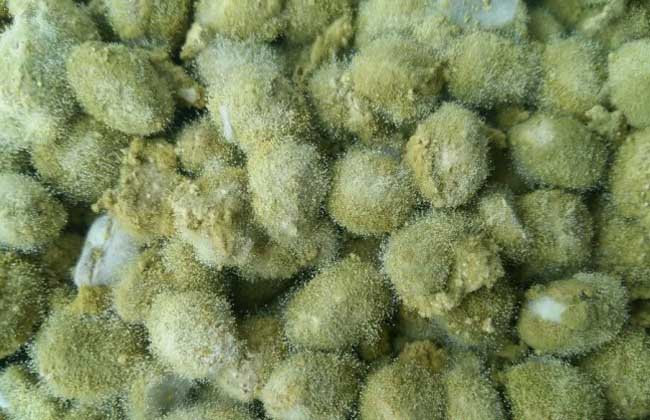
How to prevent and control green mold (Trichoderma viride) infection in reishi mushrooms?
Prevention and control methods for green mold in reishi mushrooms
-
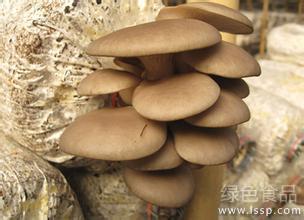
How should green mold infection in oyster mushrooms be prevented and controlled when it affects production?
How to treat oyster mushrooms infected with green mold when green mold hinders oyster mushroom production
-

How to prevent and control green mold during oyster mushroom cultivation?
How to prevent and control green mold in oyster mushrooms? What harm does green mold do to oyster mushrooms? Please provide guidance. The harm of green mold to oyster mushroom cultivation: green mold is a major disease in edible mushroom cultivation, mainly occurring on mushroom blocks that have not yet been colonized by mycelium or on culture material that has not been thoroughly sterilized. Green mold is prone to breeding in acidic environments and environments with relatively high humidity...
条件筛选