-
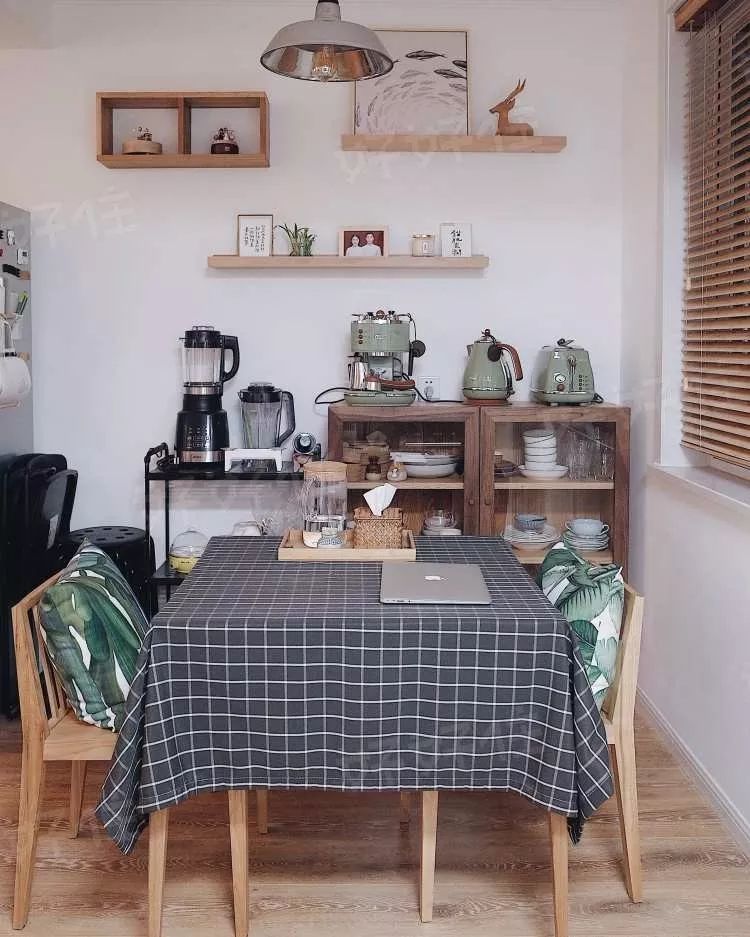
There are 3 paths to upgrading your dining table, and everyone from those earning 100,000 yuan a year to 10 million yuan a year is using them
Fox used to occasionally browse some domestic home-sharing communities, but after browsing a lot, it all started to feel the same. For example, this is a typical "Japanese-style dining room." It has both the warm texture of solid wood tables and chairs and cotton-linen tablecloths, and also iron...
-
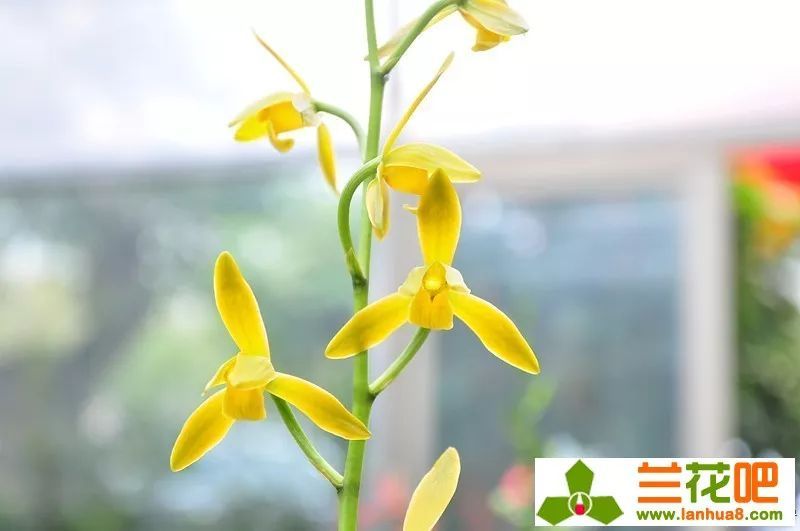
What are the methods for grading orchid seedlings?
Promote Chinese orchid culture, spread orchid knowledge. One, smell the fragrance: orchids are fragrant without needing an audience; those with a clear, not muddy, fragrance are top grade. Two, look at the posture: those with a well-proportioned whole plant and harmonious flowers and leaves are good. Three, look at the color: flower colors that are a pure single color and pale green are best, dark green is...
-

Successful case of Bacillus degrading organic matter in water to improve water transparency
Successful case of Bacillus strains degrading organic matter in water and improving water transparency
-
What are the grading standards for high-grade beef?
Question: What grading standards exist for high-grade beef?
-
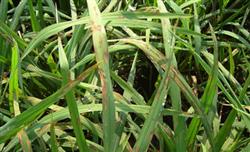
Detailed Explanation of the Grading Standards and Control Methods for Rice Blast
Grading standards Leaf blast: Grade 1 occurs sporadically, and disease can only be seen upon careful investigation. Grade 2 has slightly more incidence, with diseased leaves concentrated in the lower part. Grade 3 has widespread incidence, with diseased leaves concentrated in the middle and lower parts. Grade 4 has relatively severe incidence, with diseased leaves concentrated in the middle and upper parts, and a small number of patches appearing. Grade 5 has severe incidence, with obvious patches...
-
Detailed Explanation of Grading and Packaging Standards for Button Mushrooms (Agaricus bitorquis)
Quality Standards Basic quality requirements: fresh and clean, free of abnormal odor or taste, free of abnormal foreign moisture, carefully picked, fully developed, with maturity suitable for market or storage requirements. Special grade: same variety, excellent shape and color, cap not opened, with the inherent color of the variety, no water damage, no rot. Grade I: same variety, normal shape and color, cap not opened, with the inherent color of the variety, no water damage, no rot, no pests or diseases or other damage. Grade II
-
What are the similarities and differences between Chinese and American cotton grading standards?
The United States is a major cotton-producing and cotton-consuming country, with half of its annual cotton production used for domestic consumption and half for export. As a result, American cotton standards have an important influence worldwide and are used by 24 countries and regions; they are also known as the universal cotton standards. Below is a brief introduction to the similarities and differences between Chinese and American cotton grading standards: Cotton grade is a reflection of the overall quality performance of cotton, and the cotton standards of most cotton-producing countries in the world include a cotton grade inspection item. In the U.S. cotton standard
-
Harvesting, Grading, and Packaging Methods for Cut Lilies
(1) Harvest time - Cut flowers when the first flower bud at the base has fully swollen and colored (the true petal color is already visible). If a single flower stem has more than 10 buds, harvesting must wait until 3 buds have colored. (2) Harvesting method - Cut with a sharp knife 15 cm above the ground (about 5-6 leaves). If the flowers cannot be graded and bunched immediately after harvest, they must be placed in clean water and refrigerated within 30 minutes (to cool them and replenish water). (3) Grading and bunching - According to stem
-
What are the grading standards for Panax notoginseng seeds?
Grade 1 seeds: thousand-grain weight greater than 105 grams, moisture content less than 60%, viability greater than 85%, purity greater than 98%. Grade 2 seeds: thousand-grain weight between 100 and 105 grams, moisture content greater than 60%, viability greater than 80%, purity greater than 97%. Grade 3 seeds: thousand-grain weight between 95 and 100 grams, moisture content greater than 60%, viability greater than 75%, purity greater than 90%. Panax notoginseng seeds are laterally flattened or triangular-ovoid, 5 to 7 mm long, 4 to 6 mm in diameter, yellowish-white
-
Detailed Explanation of Jujube Grading Standards: How to Grade Jujubes
Jujube fruit grading should be based on the quality and intended use of the jujubes, so as to meet the needs of different uses. Standards vary somewhat among different cultivars. Generally, jujube fruit grading can be divided into the following 4 grades. Special grade: fruit weight more than 20% greater than the average for the cultivar, and the fruits are relatively uniform, with thick flesh and unwrinkled surface, pure color with no uneven coloration, no moldy or mushy rotten fruits, and mechanically damaged fruits and diseased/insect-damaged fruits less than 3%, with a moisture content less than 25%. Grade 1: single fruit should reach the average fruit weight or slightly above, fruits uniform,
条件筛选