-
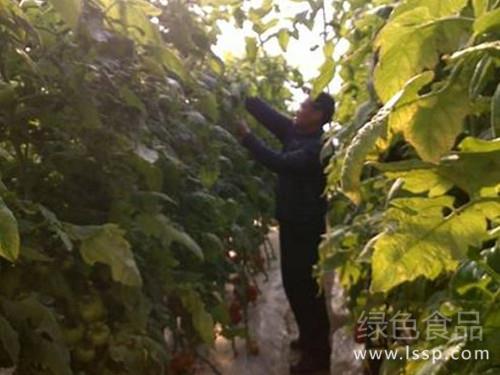
Tomato flowering and fruit set determine yield formation: key points of flower and fruit promotion and control techniques
Flowering and fruit set determine yield formation: key points of tomato flower and fruit promotion and control techniques
-
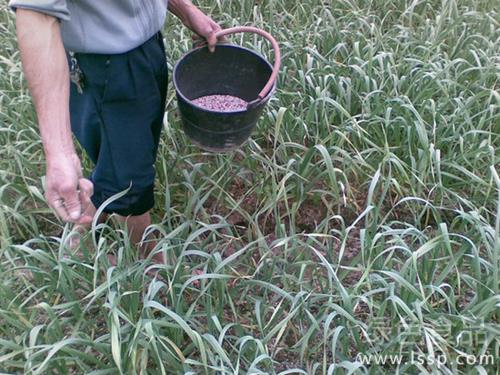
Garlic enters the critical period of yield formation, an analysis of key management points for the mid-to-late stage
Key management points for garlic during the mid-to-late stage, the critical period of yield formation
-
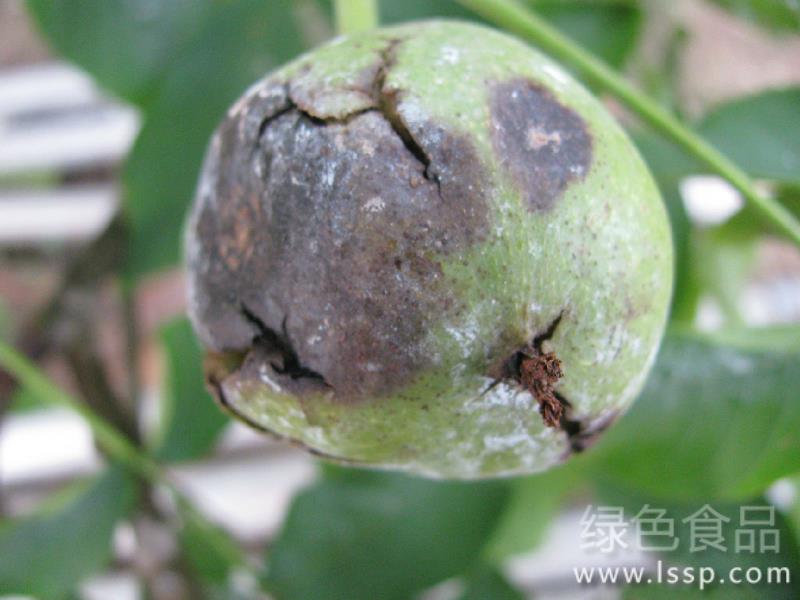
High temperature and frequent rain during the walnut yield formation period: how to prevent and control anthracnose
How to prevent and control walnut anthracnose during the high temperature and rainy yield formation period
-
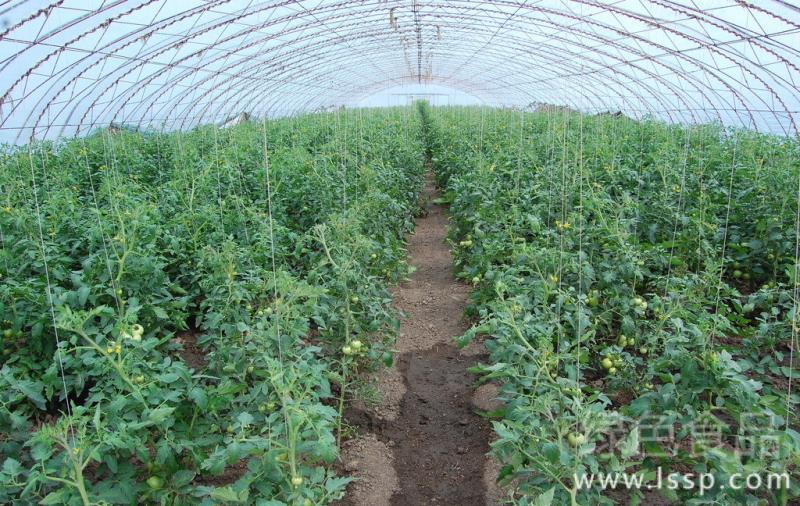
Targeted Analysis of the Causes of Adventitious Root Formation in Tomatoes
Targeted Analysis of the Causes of Adventitious Root Formation in Tomatoes
-
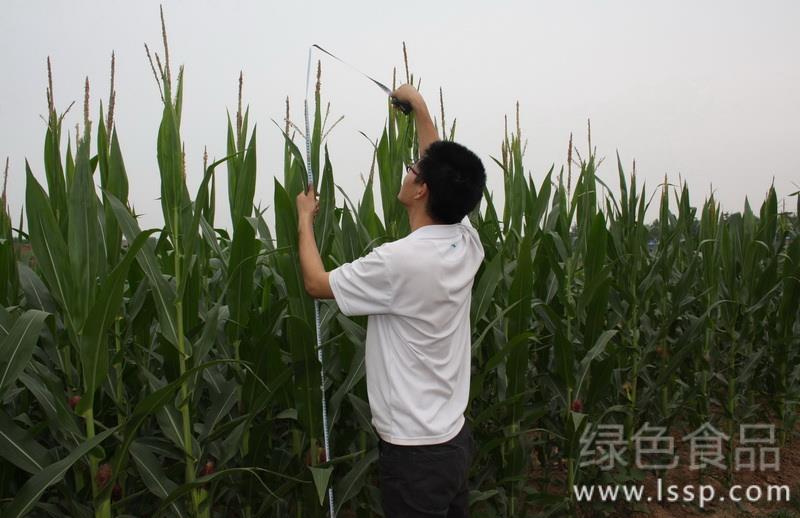
Pest and disease control techniques for corn at the ear stage: seize the key period of yield formation
Pest and disease control techniques for corn at the ear stage, the key period of yield formation
-

Care Methods and Management Points for Peonies After Bud Formation
After buds appear, promptly remove the side buds so that nutrients are concentrated on the development and growth of the main bud. After the flowers fade, promptly cut off the flower stalks and do not let them set seed, so as to avoid consuming nutrients. Right after flowering, apply one liquid fertilizer as a top dressing. After fertilizing, decide whether to give the third watering according to the actual moisture condition of the soil. In autumn, when the leaves turn yellow, cut them off promptly.
-

A Complete Guide to Management Key Points During the Cotton Yield Formation Period
This year, the light and heat conditions in the early stage were relatively favorable for cotton growth, but the recent low temperature, scant sunlight, and rainy weather have been extremely unfavorable to cotton growth, and boll shedding has increased noticeably. We are currently in the critical period for cotton yield formation. To secure a high cotton yield, the following management measures should be strengthened: 1. Supplemental application of top-covering fertilizer and foliar spraying. For cotton fields with many set bolls and fields showing premature senescence, apply 5-7.5 kg of urea per 667 sq m, or combine this with pest control for foliar spraying. 2. Reasonable pruning and chemical regulation. Due to the recent rain
-
Technical Service Information for Tea Plant Frost Resistance and Post-Disaster Recovery
I. Remedial measures for tea plants after a disaster: 1. Scientific pruning: Because tea gardens with different varieties, different altitudes, and different slope aspects have different degrees of frost damage to their tea plants, generally tea gardens with large-leaf varieties, high altitude, and north-facing slopes suffer more severe frost damage to the tea plants. Timely and reasonable pruning should be carried out according to the degree of frost damage. After the temperature rises and stabilizes, observe the frost damage to the tea plants. For lighter frost damage, use light pruning, that is, cut about 3 cm below the leaf surface. For more severe frost damage, carry out deep pruning, cutting off 1/2-1/3 of the plant. For particularly severe frost damage
-
Soybean 1-500 Wholesale Supply Information
Variety source: Zhuanghe City Agricultural Technology Extension Center. Characteristics: growth period 150 days, yield ranks first among current soybean varieties in Zhuanghe City, high oil content, strong branching ability, 6-7 branches, plant height 80 cm, 100-seed weight 10-11 grams, disease-resistant, lodging-resistant, yield per mu 250-300 kg. Cultivation points: sow from April 20 to 25, row spacing 1.7 chi, hill spacing 1.0 chi, keep a single seedling on flat land, and keep double seedlings on hillside land.
-
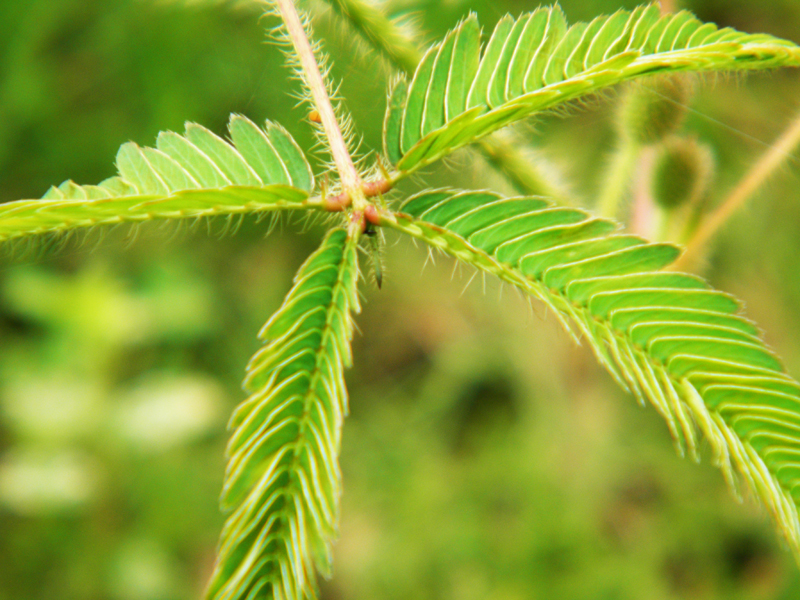
Mimosa pudica: Complete Information and Cultivation Methods
Mimosa pudica (scientific name: Mimosa pudica), due to its unique physiological habits, has many aliases and nicknames, such as "laughing grass", "sensitive grass", "shouting grass", "shy-knowing grass", "ugly-fearing grass", "shy grass" and "husband-and-wife grass". Mimosa pudica is native to the tropical regions of the Americas
条件筛选