-

White-flowered Crassula is a plant in the Crassulaceae family; let's get to know it together.
White-flowered Crassula has fairly attractive leaf shape and color, and holds a certain ornamental value. As a potted plant it can be placed beside a TV or computer, where it can absorb radiation; it can also be planted indoors to absorb formaldehyde and other substances and purify the air.
-
What is Crassula 'Pagoda Village'? A brief introduction to this Crassula succulent
Crassula 'Pagoda Village' is a perennial succulent herbaceous plant, also known as a succulent plant. The dwarf plant grows in clusters, only 5-8 cm tall, growing upright, and sometimes also creeping. Its leaf shape and color are quite beautiful, giving it a certain ornamental value. As a potted plant, it can be placed next to a TV or computer, where it can absorb radiation, and it can also be planted indoors to absorb formal
-
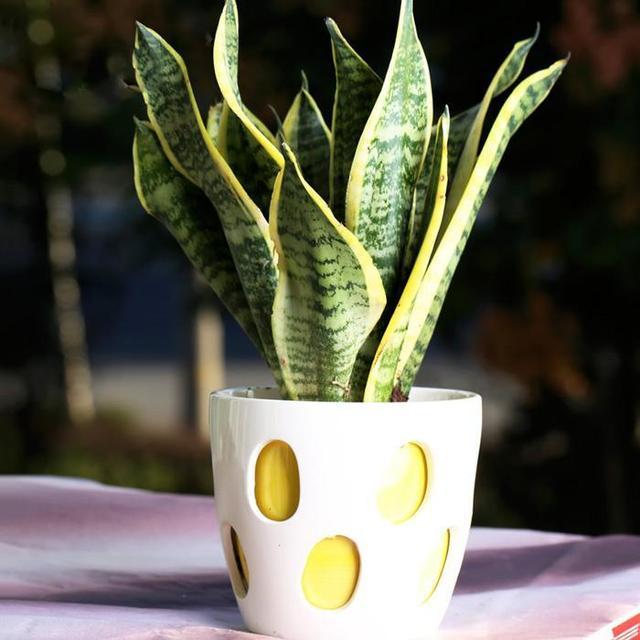
Formaldehyde and benzene in a new home? Grow these plants and you won't have to worry
In a freshly renovated room, furniture and other items can release harmful gases such as formaldehyde and benzene. Getting these harmful gases to dissipate easily is no simple task. In fact, you can grow some flowering plants to purify the air. Below...
-
Is Areca Palm a Woody Plant? A Closer Look
The Areca Palm is a small palm plant with strong shade tolerance. Placed in the home, it can effectively remove volatile harmful substances such as benzene, trichloroethylene and formaldehyde from the air, and can also raise indoor air humidity.
-
Introduction to Portulacaria afra 'Foliis variegatis': a plant classified under other families and genera
Portulacaria afra 'Foliis variegatis', also known as the variegated elephant bush, is a variegated cultivar. Native to South Africa, it prefers a sunny, warm and dry environment. Its leaf shape and leaf color are relatively beautiful, with a certain ornamental value; potted plants can be placed next to televisions and computers, can absorb radiation, and can also be planted indoors to absorb formaldehyde and other substances, purifying the air.
-

Growing flowers and plants at home can filter exhaust gas, absorb formaldehyde, and purify the air
Everyone who has renovated a home has surely "battled" formaldehyde. Why is formaldehyde so frightening? Formaldehyde is a highly toxic substance, and it ranks second on China's list of toxic chemicals subject to priority control. Formaldehyde has been...
-
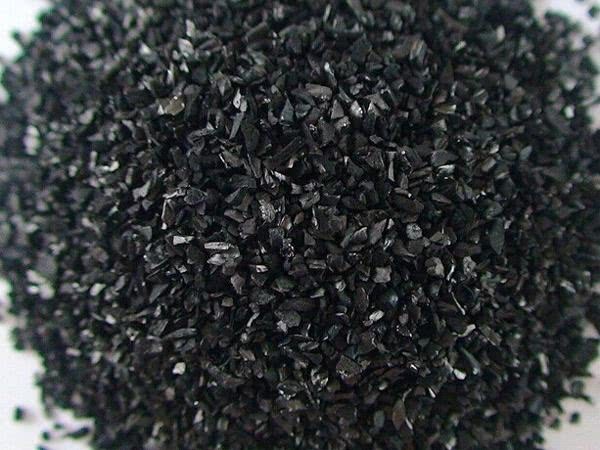
Use these 5 methods to remove formaldehyde, fast and effective
1. Activated carbon formaldehyde removal is a relatively cheap and practical method, characterized by physical adsorption, thorough adsorption, and no secondary pollution. The physical action of activated carbon deodorizes and detoxifies, with no chemical additives, and has no effect on the human body...
-
What kind of plant is the crested euphorbia? Let us introduce you to this woody plant
The crested euphorbia has the function of absorbing formaldehyde and benzene-type substances. It has emerald-green and beautiful leaves, both stems and leaves are succulent, and the plant form is elegant, closely resembling the qilin from ancient Chinese legend, hence the name crested euphorbia.
-
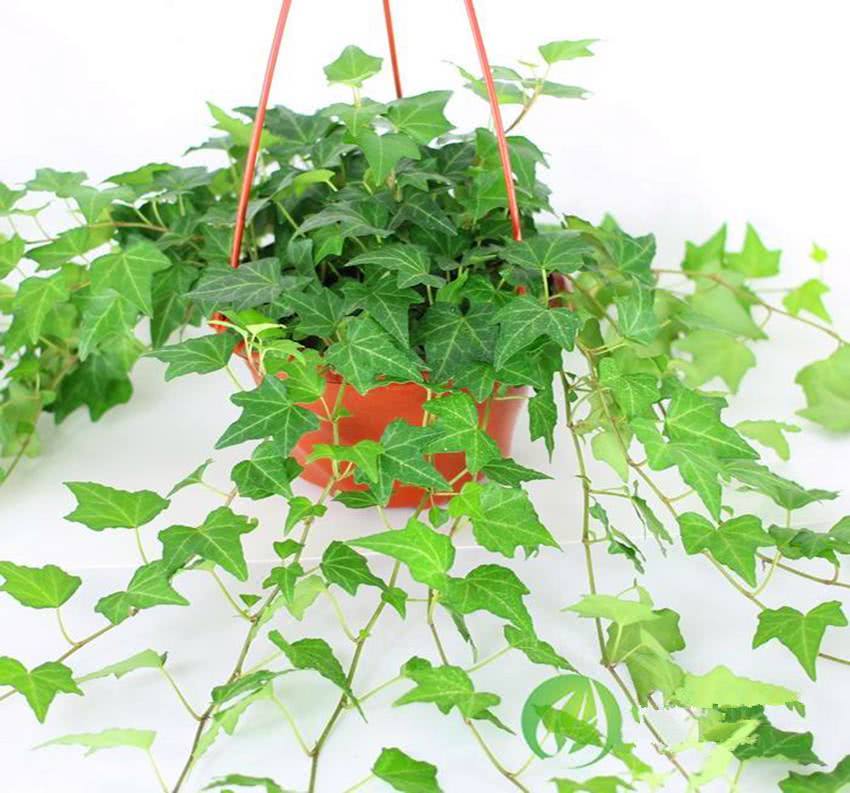
Ivy absorbs formaldehyde and purifies indoor air, but what should you do if it keeps developing yellow leaves?
Ivy is a very easy-to-grow green plant. It can absorb harmful gases such as formaldehyde from the air and can remove formaldehyde and benzene. It can break down two harmful substances, namely formaldehyde found in carpets, insulation materials and plywood, and xylene hidden in wallpaper that is harmful to the kidneys...
-
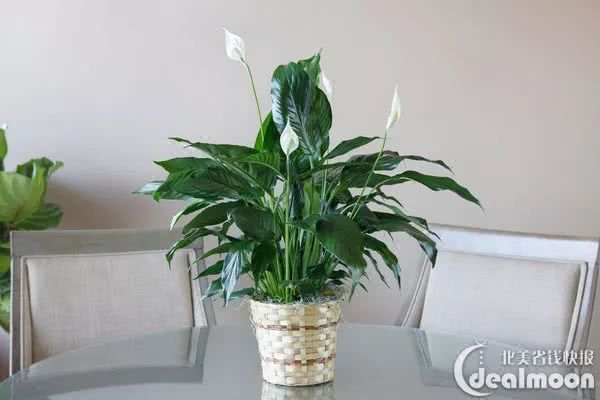
Houseplants are easy to care for and beautiful, and they can also purify the air and remove formaldehyde
Most energy-efficient home designs in the United States restrict the rate of air exchange between indoors and outdoors, making it easier for harmful chemicals to accumulate inside. This is especially true since modern people spend most of their time indoors (at home, in the office), and some have even...
条件筛选