Formaldehyde and benzene in a new home? Grow these plants and you won't have to worry
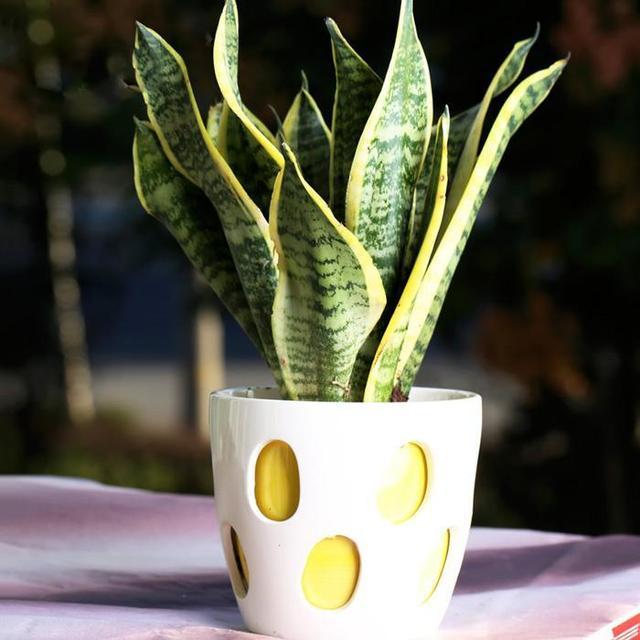
In a freshly renovated room, furniture and other items can release harmful gases such as formaldehyde and benzene. Getting these harmful gases to dissipate easily is no simple task. In fact, you can grow some flowering plants to purify the air. Below are several flowering plants that absorb harmful gases.
Snake Plant
The snake plant (Sansevieria) is relatively easy to care for and thrives in a warm, humid environment. Its leaves stay evergreen year-round and have irregular spots, giving it high ornamental value. It can also effectively purify indoor air and absorb more than 80% of harmful gases indoors, earning it the name "natural scavenger," so a few pots are a must in a newly renovated home.
Golden Pothos
Golden pothos (Epipremnum aureum) has extremely strong vitality, thrives in a warm, humid environment, and dislikes direct strong light. Its leaves are elegantly shaped and evergreen year-round, with stems and leaves trailing down naturally, looking beautiful. Golden pothos can effectively purify indoor air; growing one pot every 10 sq m is like having a natural air purifier at home.
Monstera
Monstera (Monstera deliciosa) thrives in a warm, humid environment and dislikes direct strong light, but needs plenty of light in summer. Its leaves are uniquely shaped and evergreen year-round, making it extremely pleasing to look at. Monstera can absorb indoor formaldehyde, and at night it absorbs carbon dioxide and releases oxygen.
Rubber Plant
Under ample light, the rubber plant (Ficus elastica) can regulate indoor air humidity and oxygen content, making the home environment more comfortable and healthy. The rubber plant can not only absorb harmful gases such as hydrogen chloride and carbon monoxide indoors, but its leaves can also trap dust in the air, making it especially suitable for growing in a freshly renovated room.