Ivy absorbs formaldehyde and purifies indoor air, but what should you do if it keeps developing yellow leaves?
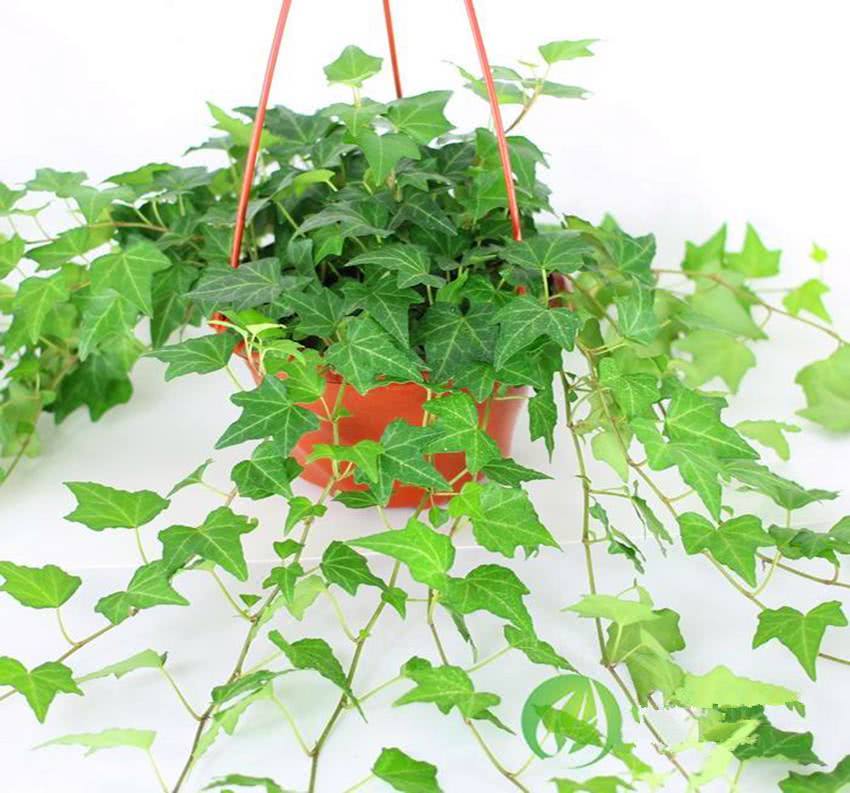
Ivy is a very easy-to-grow green plant. It can absorb harmful gases such as formaldehyde from the air and can remove formaldehyde and benzene. It can break down two harmful substances, namely formaldehyde found in carpets, insulation materials and plywood, and xylene hidden in wallpaper that is harmful to the kidneys. It is practically formaldehyde's nemesis. Placed at home, it also beautifies the environment, accents the decor, and adds a touch of lush green, a little fresh and lovely thing.
If your ivy develops yellow leaves and dry, falling leaves, how should we care for it? Let's take a look:
1. First, cut off the dried leaves. Then look at the potting soil. If the potting soil has dried out completely, it is dehydration-related dieback. Just water it a little, water it thoroughly, then put it in a spot with a bit of diffused light, make sure there is ventilation, and let it grow naturally for a few days to see whether the situation improves.
If the leaves become plump and fresh again and show obvious growth, and the yellowing has not worsened, then move it to a place with more sunlight and let it get some sun, but not harsh sun. Keep the soil moist, and it will gradually recover.
During this period, pay attention to the soil's air permeability and check whether it has become compacted. If the soil has become compacted, it is advisable to replace the potting soil. After all, the potting soil is the source of the nutrients it needs to grow. If the potting soil is poor and compacted, it will not thrive no matter how you grow it. It is best to use loose potting soil with good air permeability.
If it still continues to wilt and dry up, then the problem may be with the roots.
2. Take the ivy out of the soil and check. If you find that the roots have rotted, cut off the rotted roots, cutting until fresh roots or stems are exposed. If leaf drop is severe and the branches are long and withered, you can cut back more, cutting to where there are fresh leaves, so that when replanted it will look a bit more attractive.
Then put it in a cool, shaded place to air-dry for a few hours and let the wounds heal, or soak it in diluted carbendazim solution for a few hours, then air-dry after disinfecting.
If root rot has occurred, it is advisable to replace the potting soil before continuing to plant it, for fear that the potting soil may also be infected with bacteria. Because ivy has very low requirements for soil, you can use garden soil mixed with river sand, or garden soil with a little vermiculite and perlite. As long as the mix has good air permeability and good drainage, it will be fine.
Replant the pruned and air-dried ivy, keep the soil slightly moist, and put it in a well-ventilated place with a little diffused light, or in a cool, shaded place, and let it grow naturally.
After about ten days, if you find that it has taken root and shows obvious signs of growth, move it to a place with a little more light, let it receive sunlight, and keep the soil moist. Before long, you will have a vibrant pot of ivy again.
The gently swaying vines, drifting by the window and on the balcony, natural, casual, free and easy, aren't these exactly the life we pursue?