-
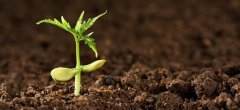
Growing Conditions for Flower Bed Plants and the Effect of Soil pH
The key to successful and trouble-free gardening is choosing plants that best suit your garden's conditions. Plan your home garden to match the most important features of your property - sunlight and soil. Plants rely on light as an energy source for growth, flowers and fruit. The garden bed receives
-

How to control small white worms in flower soil?
Many people like growing flowers, but some flower growers have found small white worms in the flower soil, crawling around in the soil, and do not know how to solve it. So, what should be done about small white worms in flower soil? 1. What should be done about small white worms in flower soil? The small white worms in flower soil may be
-
Orchid Growing Methods and Care Knowledge Explained
Summary Soil: You can grow them in leaf mold or mountain forest humus soil. Light: Give them appropriate indirect sunlight, but avoid direct strong light. Temperature: The suitable growing temperature is 16-24°C. Watering: In spring and autumn, water once every 2 days; in summer, water 1-2 times a day; in winter,
-
Cultivation Methods and Daily Care Tips for the Orchid Cactus
Summary Soil: A fertile, loose, well-drained neutral or slightly acidic sandy loam is suitable. Light: It likes warm sunlight, but not direct strong light; move it indoors to a sunny spot in winter. Humidity: Maintain air humidity in spring and summer. Temperature: The temperature must not fall below 10°C.
-
Jasmine Summer Cultivation Methods and Care Tips
Summary Soil: It is suitable to choose loose, breathable soil. Light: Jasmine loves light. If grown indoors in a pot, it needs to be placed in a spot with sufficient light. In summer, prevent prolonged exposure to strong sun, and provide appropriate shade at noon. Fertilizer and water: In summer, water once a day, each time
-
How to grow a dragon bone plant? A detailed guide to its care methods
Summary Soil: A mix of coarse sand and leaf mold can be used to prepare the soil, with a small amount of decomposed chicken manure added as a base fertilizer. Watering: The dragon bone plant is drought-tolerant; water once every 10-15 days in spring and autumn, once every 5 days in summer, and in winter it can go 1-2 months without watering. Light
-
Complete Picture Gallery and Detailed Care Guide for Firecracker Flower
Summary Preparing the soil: Garden soil, leaf mold and decomposed cake fertilizer can be mixed in a ratio of 3:3:1. Light: Direct sunlight is fine in spring, autumn and winter, but light shade is needed in summer. Watering and fertilizing: Water once every 3-4 days in spring and autumn, and in summer every
-
A Detailed Guide to Growing Danish Bellflower
Summary Soil: For Danish bellflower, choose fertile, loose, well-draining soil for growing. Watering: During growing, keep the soil moist; in the vigorous growing season it needs enough water, but must not become waterlogged. Light: It likes light, but cannot take direct strong sunlight
-
How to Grow and Care for the Chinese Trumpet Creeper (Campsis grandiflora)
Summary Soil: The Chinese trumpet creeper (Campsis grandiflora) does well in loose, fertile, sandy loam rich in organic matter. Light and temperature: It can be grown in full sun, and the suitable growing temperature is between 20-30°C. Water and fertilizer management: It has a high fertilizer demand, so plenty of base fertilizer should be applied before planting, and topdressing should be done 2-3 times a year.
-
How to Grow Hibiscus syriacus? Detailed Guide to Cultivation Methods and Precautions
Summary Soil: You can use river sand, perlite, leaf mold, and peat soil, mixed in equal proportions. Light: Hibiscus syriacus needs at least 4 hours of light per day, with appropriate shading in summer. Temperature: The suitable temperature for growth is 18-28°C. Watering: During the growing period
条件筛选