-

Autumn cultivation of edible fungi requires passing five critical stages successfully, with a detailed explanation of planting methods
Autumn production of edible fungi requires passing "five stages"
-
How to keep oyster mushrooms fresh? Introduction to five common preservation methods
Fresh storage: Fresh oyster mushrooms picked after harvest are difficult to sell in the short term due to market influences, so the fresh storage method can be used. The storage time of fresh oyster mushrooms at room temperature is greatly affected by temperature and air humidity. When the room temperature is 3°C to 5°C and the relative air humidity is around 80%, fresh mushrooms can be stored for one week. When the quantity of mushrooms is small, the oyster mushrooms can be placed in a jar containing a small amount of cold water and the jar mouth sealed tightly; even if the temperature reaches 15°C to 16°C, they can be stored for about one week. The oyster mushrooms can also be completely immersed in cold water, but the water must be clean and hygienic, and the iron content of the water should be less than 2 milligrams per liter
-
How to reduce contamination in edible mushroom inoculation? Five practical methods to help you solve it
Autumn and winter are the golden seasons for producing edible mushrooms, but every year, inoculation contamination causes economic losses of around 20% for mushroom growers. Using the following 5 methods can reduce the inoculation contamination rate. 1. Bottled fermented material: Fill fermented material 1 to 2 cm deep above the culture medium at 4 cm from the bottle mouth, then sterilize. Its advantages are that contaminating bacteria are less likely to infect the culture medium, and the spawn age is consistent. 2. Wheat grain germination method: Let wheat grains germinate before bottling and sterilizing. That is, let the wheat grains used for spawn germinate all at once, with sprouts 1 to 2 times the length of the wheat grains, then fully sun-dry and store. One day before making the spawn, soak the wheat grains for 12 hours and directly bottle and sterilize. Its advantages are that the process of boiling the wheat grains is omitted, mycelium grows quickly, and there are fewer contaminating bacteria. The contamination rate is 2% to 3%.
-
Detailed Explanation of Five Post-Harvest Management Methods for Field-Grown Wood Ear Mushrooms
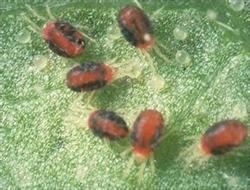
Remove contamination sources: culture material that is contaminated or severely affected by pests should be promptly disposed of and removed, and the contaminated environment should be cleaned and disinfected at the same time.
-
Five methods of water management during the fruiting period of enoki mushroom
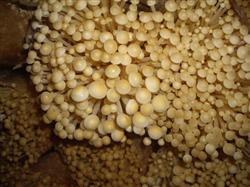
Enoki mushroom (Flammulina velutipes) is both a delicious food and a fairly good health food, and its domestic and international markets are increasingly broad. However, enoki mushroom cultivation and management have relatively high requirements, especially the water requirements for fruiting body development. China Agricultural Technology Network now introduces water management methods for reference. Moisture retention to promote pinning. When the mycelium reaches the bottom of the bag...
条件筛选