-
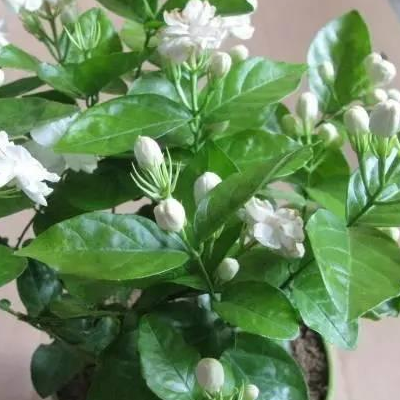
How to grow jasmine to extend the flowering period? Timing of fertilization matters
Jasmine, this is something many people absolutely love; as soon as jasmine blooms, it is incredibly fragrant. How to grow jasmine to extend the flowering period? When to fertilize jasmine: How to grow jasmine to extend the flowering period: besides the usual light but frequent fertilizing to make the plant grow stronger, environmental ventilation and appropriate light
-
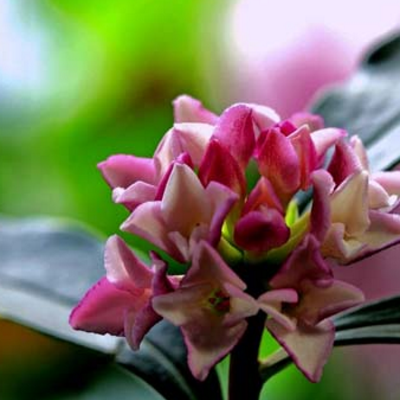
Why does Daphne die after blooming and how to extend the flowering period
Daphne is a plant that many people like, it is just so beautiful, why does this Daphne die after blooming? How to extend the flowering period of Daphne: Why does the variegated Daphne die after blooming: because fertilizer needs to be stopped during blooming, after blooming the branches and leaves sprout, producing new branches, which also consumes a large amount of nutrients
-
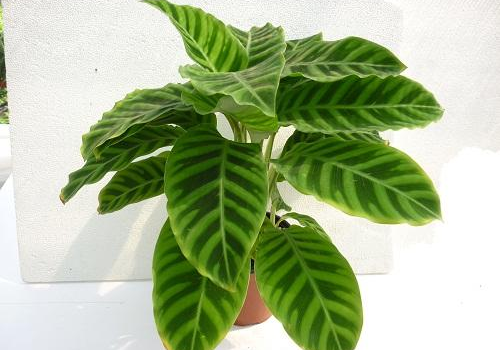
How do you grow a velvet calathea to extend its blooming period?
Yellowing leaves on a velvet calathea are usually caused by fertilizer, water, or light issues. How do you grow a velvet calathea? How do you extend its blooming period: How to grow a velvet calathea: 1. The optimal growing temperature for a velvet calathea is 18-25°C. In winter the temperature should not drop below 13°C, and in summer it should not exceed 35°C.
-

Clever Tips for Storing Fresh Peaches, Easily Extending the Supply Period
There are many peach varieties. With different early-, mid- and late-maturing periods and cultivation methods, they are supplied to the market successively from April to October. Fresh peaches have a short storage life and are prone to rotting and spoilage. If appropriate fresh-keeping methods are adopted, the fresh peach supply period can be extended and economic benefits increased. Bruise-free harvesting, grading and packaging. To judge peach fruit maturity: first, after the fruit has fully developed, the skin begins to lose its green color, the flesh is slightly firm, and colored varieties have basically reached full color, this is the firm-ripe stage. Second, when the fruit's ground color is green or light green, the fuzz on the fruit surface begins to decrease, the flesh is slightly
-
Methods for Extending Rice Seedling Age and Key Points for Preparing to Transplant Rice While Waiting for Rain as a Drought-Resistance Measure
In a normal year, the seedling age for machine-transplanted rice is about 30 days, about 40 days for seedling-throwing rice, and about 50 days for water-raised seedlings. If the water for transplanting comes late, the seedling age must be extended to more than 60 days in order to wait for water before transplanting. First, sow sparsely to cultivate strong seedlings of extended age. That is, by expanding the area of the seedling-raising bed and reducing the sowing rate per square meter, the tillering-stagnation period of the seedlings is prolonged, which can effectively increase the seedling-age flexibility of seedlings sown early at the proper time and improve seedling quality; this can both raise per-unit yield and resolve the contradiction of having no water for transplanting in the early period.
-
Detailed explanation of key points of mushroom preservation technology, easily extend storage time
Mushroom preservation methods include modified atmosphere preservation, low-temperature preservation, radiation preservation and brine preservation, etc. The methods are: modified atmosphere preservation uses simple modified atmosphere storage, within 3 to 5 days it can keep mushrooms fresh and tender without opening their caps, basically without browning, and with a water loss rate below 1%. At present, breathable plastic film bags are generally used for packaging, maintaining an oxygen concentration of 1% and a carbon dioxide concentration of 10% to 15% inside the bag, which can keep mushrooms white for 4 days with good freshness. Cold storage preservation: low temperature can keep mushrooms fresh and of high quality. During storage and transportation
-
Acupuncture on Live Fish Can Extend Their Freshness
A Japanese marine biologist invented a live-fish acupuncture preservation method. This method draws on the acupuncture techniques of traditional Chinese medicine, inserting needles into the nerve acupoints of the fish's brainstem; after a few minutes, the live fish enters a dormant state. According to tests, after being needled at the acupoints and entering dormancy, a live fish can remain in a dormant state for about 10 hours; in the dormant state, its internal circulation drops to the lowest maintenance level, so it will not spoil or smell bad. This way, freshness can be preserved without freezing.
-
Detailed Guide to Peach Storage and Preservation Techniques, Extending Peach Storage Life
Some peach varieties ripen during the high-temperature summer season, and their harvest maturity and eating maturity are reached almost simultaneously; in addition, the fruit is soft and juicy with poor storability. However, storability varies greatly among varieties: honey peaches have the worst storability and can only be stored for about 1 week, while late-maturing varieties such as Fei peach, winter peach, and Qingzhou honey peach are relatively more storable. The main problems that easily occur during peach storage include: over-ripening and softening, rot caused by pathogenic bacteria, and chilling injury. The main technical measures adopted in production include: (1) Immediately pre-cool the fruit after harvest: immerse the fruit in 0
-
Electric shocks to live fish can effectively extend transport time
Fisheries experts have found that giving live fish electric shocks to induce a state of suspended animation can extend storage and transport time. The method is to apply a voltage of 5000 volts to each kilogram of live fish such as sea bream for 30 seconds, then let them breathe oxygen for 5 minutes. In this way, the fish carry out the minimal breathing necessary to sustain life and enter a state of suspended animation. Fish in this state of suspended animation consume almost no oxygen and can be stored and transported at a ratio of "half fish, half water," which not only greatly saves on transport costs,
-
How to Store Fresh Peaches to Extend the Supply Period
Peaches have many varieties, and with early, mid and late maturing types and different growing methods, they are supplied to market successively from April to October. Fresh peaches have a short storage life and are prone to rotting and spoilage. If suitable fresh-keeping methods are adopted, the supply period of fresh peaches can be extended and economic returns improved. Harvest without injury, grade and pack. To judge peach fruit maturity: first, after the fruit has fully developed, the skin begins to lose its green color, the flesh is slightly firm, and colored varieties have basically reached full color, this is the firm-ripe stage. Second, when the fruit's ground color is light green and the fuzz on the fruit surface begins to color, it is at the seven-to-eight-tenths ripe stage. Firm-ripe stage
条件筛选