-
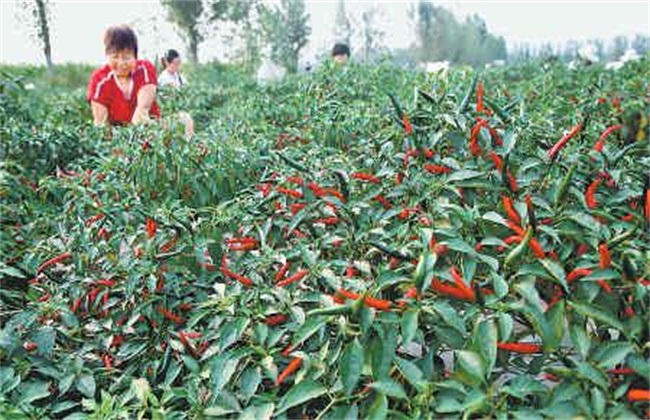
How to extend the pepper harvest period? Practical tips to share
Tips for extending the pepper harvest period
-
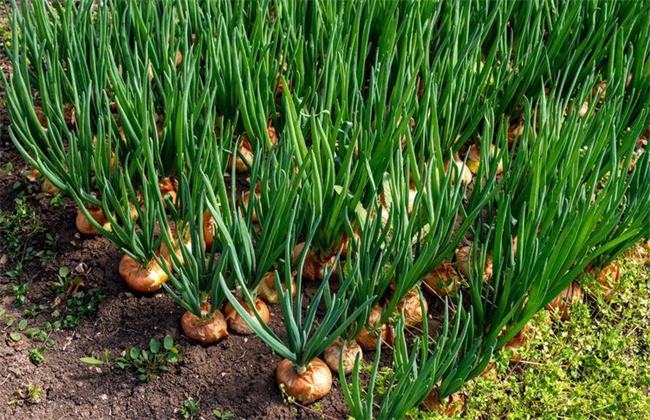
Key Points of Onion Preservation Techniques: How to Extend Storage Time
Onion Preservation Techniques
-

Methods for Extending Rice Seedling Age and Key Points for Preparing to Transplant Rice While Waiting for Rain as a Drought-Resistance Measure
In a normal year, the seedling age for machine-transplanted rice is about 30 days, about 40 days for seedling-throwing rice, and about 50 days for water-raised seedlings. If the water for transplanting comes late, the seedling age must be extended to more than 60 days in order to wait for water before transplanting. First, sow sparsely to cultivate strong seedlings of extended age. That is, by expanding the area of the seedling-raising bed and reducing the sowing rate per square meter, the tillering-stagnation period of the seedlings is prolonged, which can effectively increase the seedling-age flexibility of seedlings sown early at the proper time and improve seedling quality; this can both raise per-unit yield and resolve the contradiction of having no water for transplanting in the early period.
-
Practical methods to extend the fruiting period of tomatoes
After the first generation of tomatoes is harvested, the following 3 methods can be used to make the tomatoes bloom and bear fruit again, improving economic returns. The vine-laying method: after the first generation of tomatoes is mature and harvested, cut off the dead branches and yellow leaves, keep the new branches with vigorous regrowth ability, and dig a fertilization trench 20 cm long and 15 cm deep on one side of the main stem and apply fertilizer. After fertilizing, bury the main stem in the trench and water it, so that the layered vine quickly takes root. In this way, the new roots and old roots absorb water and nutrients together, the plant shape grows rapidly, and the tomatoes can bloom and bear fruit again. The stem-cutting method: after the first generation of tomatoes is harvested, cut off
-
How to fertilize eggplants well? Timely topdressing can extend the harvest period
After eggplants bloom and bear fruit heavily, the root system's absorption capacity gradually declines, causing a reduction in flowering and fruiting, a shortened flowering and fruiting period, and a sharp drop in yield. Only by strengthening management, delaying plant decline, and ensuring continuous flowering and fruiting of eggplants can the harvest period be extended. Fertilize in a timely manner. After eggplants bloom and bear fruit, they should be...
-
What methods are there to extend the market period of autumn delayed chili peppers
The area of autumn delayed chili peppers is large. How to make full use of existing natural and facility conditions according to market conditions to obtain higher economic benefits is a issue of great concern to farmers. In production, it is suggested that farmers can adopt the following measures to achieve the goal: 1. Set up a second film inside the greenhouse. In this way, under normal weather, it can be maintained until...
-
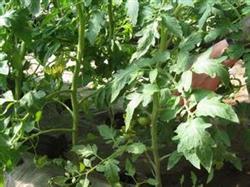
3 Ways to Extend the Harvest Period of Tomatoes During the Fruiting Stage
After the first crop of tomatoes is harvested, the following 3 methods can be used to make the tomato plants bloom and bear fruit again, improving economic returns. 1. The stem-laying method: After the first crop of tomatoes is harvested, cut off the dead branches and yellow leaves, keep the new branches with vigorous regrowth ability, and dig a fertilizing trench about 20 cm long and 15 cm deep on one side of the main stem...
-
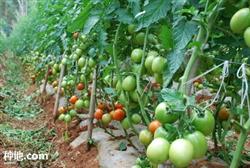
What methods are there to extend the fruiting period of tomatoes?
How do you extend the fruiting period of tomatoes? Please advise on methods. After the first crop of tomatoes is harvested, the following 3 methods can be used to make the tomato plants bloom and bear fruit again and increase economic returns: 1. The vine-laying method. After the first crop of tomatoes is harvested, cut off the dead branches and yellow leaves, keep the new branches with strong regenerative capacity, and dig a fertilization trench 20 cm long and 15 cm deep on one side of the main stem and apply fertilizer. After fertilizing, bury the main stem in the trench and water it, so that the buried vine section quickly grows roots. In this way, the new roots and old roots absorb water and fertilizer together, the plant grows rapidly, and the tomatoes can bloom and bear fruit again.
条件筛选