-

Identification and control methods of the licorice seed weevil
Morphological characteristics: The adult is oval, brown or dark brown, with a body length of 2.5-3mm and a width of 1.5-1.8mm; the antennae are broad and short, serrate, and do not reach the base of the elytra. The pronotum is covered with punctures and dense light brown hairs, and its posterior margin is as wide as the elytra. The elytra are covered with punctures and dense light brown hairs. The pygidium is long, slightly pointed at the tip, and the ventral surface is covered with dense light brown hairs. The inner margin of the hind femur has 1 small, indistinct tubercle near the tip; the inner margin of the hind tibia has 1 long tooth at the tip; the first segment of the hind tarsus is the longest. Damaged crop: licorice. Damage symptoms: main
-
Occurrence Patterns and Control Methods of the Rice Water Weevil
The rice water weevil is an internationally recognized quarantine pest of agricultural plants. It first occurred in the Americas. In Asia, the countries where it occurs include Japan, South Korea, North Korea, and others. The place where the rice water weevil was first discovered in China was in 1987 in Tanghai County, Hebei Province. The area where the rice water weevil was first discovered in our province was in August 1993 in Ji'an City in the Tonghua region. At present, most areas of our province have this pest to varying degrees. I. Damage level of the rice water weevil. The rice water weevil mainly damages rice and also damages some grass
-
Occurrence Patterns and Control Methods of the Rice Water Weevil
The rice water weevil is an internationally recognized agricultural plant quarantine pest. It first occurred in the Americas, and the countries in Asia where it occurs include Japan, South Korea, North Korea, and others. The place where the rice water weevil was first discovered in China was Tanghai County, Hebei Province, in 1987. The area where the rice water weevil was first discovered in our province was Ji'an City in the Tonghua region in August 1993. At present, this pest occurs to varying degrees in most areas of Heilongjiang Province. I. Degree of damage caused by the rice water weevil. The rice water weevil mainly damages rice, and also damages some
-
Identification and Control Methods of the Red Pine Pest Red Wood Borer Weevil
Why is the red wood borer weevil considered an important pest of young red pine trees? Because the larvae of the red wood borer weevil bore under the bark of red pine branches and shoots, causing the main shoot and side shoots to be damaged and die. This not only affects the growth of red pine, but can also cause the branches and trunk to crack and exude resin, weakening the tree's vigor and allowing other pests and diseases to invade and cause harm. Moreover, because this insect spends most of its life cycle under the bark of branches, it is difficult to control. Once it occurs in a forest, it may bring serious consequences of forest destruction. How to identify the red wood borer weevil? The adult of this insect is a small beetle, belonging to
-
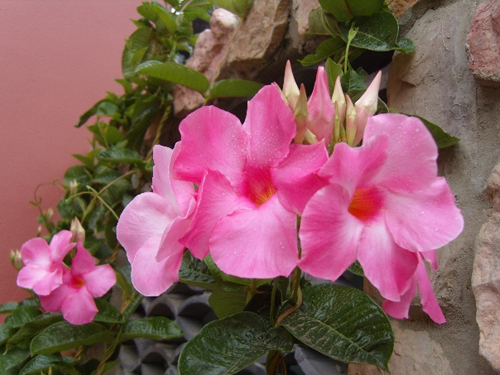
How to grow Mandevilla (also known as Dipladenia, red mandevilla, and Chilean jasmine)
Mandevilla (Dipladenia, red mandevilla, Chilean jasmine) Scientific name: mandevillasanderi Aliases: red wrinkled vine, double gland vine, Dipladenia, red mandevilla, Chilean jasmine Family and genus: Apocynaceae Morphological characteristics: perennial evergreen vine, with slender rhizomes. Leaves opposite, long ovate, apex acute, leathery
-
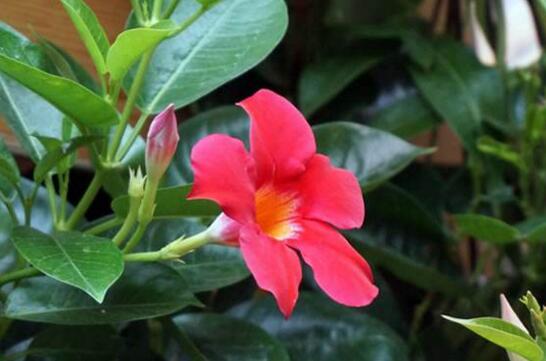
What to Do When Mandevilla Leaves Turn Yellow? Causes and Solutions for Light, Watering and Fertilizing
Whenever the mandevilla blooms, the spectacular sight of more flowers than leaves is always intoxicating, but to enjoy this you first need to know the growing methods and precautions for mandevilla, otherwise yellowing leaves may appear
-
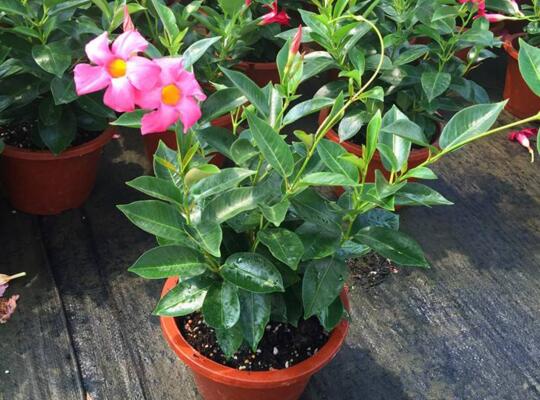
How to grow potted Mandevilla? Growing methods and precautions, temperature should be moderate
Mandevilla, native to tropical America, is loved by many people in China for its fragrant blooms and brilliant flower colors. However, compared with other plants, Mandevilla is not an easy plant to grow well
-
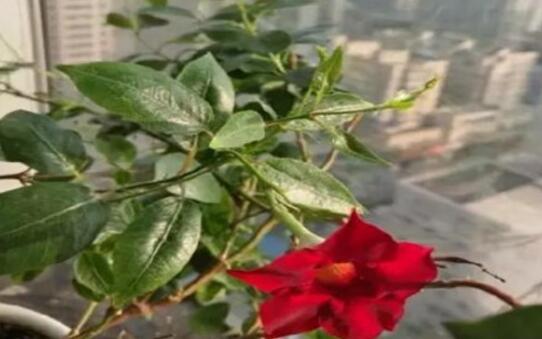
How to propagate the mandevilla? Cutting methods, timing and precautions
Because the mandevilla can bloom continuously all year round, it is deeply loved by people. However, it is not very easy to buy one outside, so many people want to propagate some themselves. So what is the correct way to propagate the mandevilla? The answer is to use the cutting method. This article brings you the propagation methods for the mandevilla.
-
-

Potted Mandevilla: Home Care and Management Tips
Mandevilla is a new type of climbing plant, also known as red wrinkled vine, double gland vine, double happiness vine, wen vine, and red cicada flower. It is native to tropical America and is a perennial evergreen plant of the Apocynaceae family. The twining stems of Mandevilla are soft yet tough, spiraling upward along a support, and its pink trumpet-like flowers are large and upright
条件筛选