-

Smart fertilizer blending heats up sharply: opportunity or gimmick?
Smart fertilizer blending heats up sharply: "opportunity" or gimmick?
-
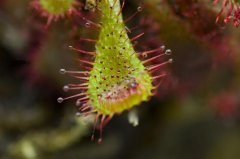
Is the sundew that eats insects a carnivorous plant? A roundup of common carnivorous plants
Carnivorous plants are a relatively little-known group of garden plants. They have insect-eating characteristics that set them apart from ordinary plants, and together with some misunderstandings, do you know which carnivorous plants there are? Pitcher plant: the structure the pitcher plant uses to catch insects is a specialized insect-trapping pouch at the end of the leaf
-
What are the prevention and treatment methods for heatstroke in pigs in summer
As the global climate warms, summer temperatures rise year by year, and pigs with poorer heat dissipation capacity are more prone to heatstroke. Farmers should take measures to prevent and treat heatstroke in pigs. Clinical symptoms: sudden onset, sharp rise in body temperature, rapid and difficult breathing, highly depressed spirits, weakness of the limbs, ataxia, and profuse sweating over the whole body. If treatment is not timely or is unreasonable, the animal lies down and cannot rise, and dies from spasms or coma. Prevention: 1. The pig house must have good ventilation, and a shed should be built for shade to prevent direct
-
Practical technical points for heatstroke prevention and cooling in summer chicken raising
The most suitable temperature for laying hen production is 17°C to 28°C, and the temperature range with little effect on production is roughly 7°C to 27°C. When summer temperatures in Shandong generally exceed 35°C, chickens will faint, and when they reach 40°C, chickens will die. Experiments have shown that when the temperature inside the chicken house reaches above 30°C, rooster sperm decreases, hen sexual maturity is delayed, the fertilization rate drops by 60%, and laying by laying hens generally declines. At the same time, due to a drop in blood calcium and an imbalance in acid-base balance, other diseases are easily induced, such as E. coli and mycoplasma disease. Because broiler chickens are large in body size, prone to fat
-
Rabbits Are Prone to Heatstroke in the Hot Summer, Rabbit Farmers Must Not Forget Prevention
Heatstroke is a common disease of domestic rabbits in summer, and simply because rabbit farmers often take it lightly, cases of rabbits dying from heatstroke are frequently seen. Therefore, as the hot summer arrives, rabbit farmers are especially reminded never to forget to guard against heatstroke in rabbits. Precautions: set up simple shade shelters around the rabbit hutch or spread shade netting. Open all doors and windows of the hutch to let the air circulate; splash well water on the walls and floor inside the hutch to cool it down; provide the rabbits with plenty of clean drinking water, and feed more fresh green forage and an appropriate amount of watermelon rind, cucumber peel, etc., to help the rabbits quench their thirst and prevent heatstroke.
-
Detailed Explanation of Prevention and Treatment Techniques for Heatstroke in Rabbits
1. Etiology This disease mostly occurs in the hot summer weather, and is most common in wool rabbits. Domestic rabbits have underdeveloped sweat glands and dissipate body heat very slowly through the body surface. Wool rabbits whose wool has not been sheared have even more difficulty dissipating heat. When the external temperature is above 33°C, heat dissipation mainly relies on increasing respiratory rate to regulate body temperature. According to measurements, when the temperature reaches as high as 35°C, the respiratory rate of domestic rabbits surges from an average of more than 40 times per minute to more than 200 times. During high-temperature periods, if the rabbit hutch is poorly ventilated, overcrowded, or during long-distance transport, the body heat of wool rabbits cannot be dissipated in time, which will cause heatstroke. Rabbits of all ages can
-
What to Do If a Duck Suffers Heatstroke? Main Symptoms and Treatment Methods
After a duck suffers heatstroke, its body temperature rises, it squats and is unwilling to move, breathes with its mouth open or spreads its wings to dissipate heat. Subsequently, it becomes unsteady on its feet and experiences paroxysmal coma and paralysis. (The specific signs are the duck's head touching the ground or shaking its head, and being unsteady on its feet. When driven, it can run normally again, but before running far it again shows head touching the ground, coma, or head shaking and other neurological symptoms.) The treatment methods are as follows: 1. When a duck is found showing symptoms of heatstroke, it should immediately be moved to a shady place or a shade shed or shade net should be set up. 2. Use electrolytic vitamins or water-soluble vitamin
-
Both sunstroke and heatstroke in pigs are caused by high temperatures
In the hot summer, pigs are prone to heatstroke. In fact, heatstroke is the collective term for sunstroke and heatstroke, which traditional Chinese veterinary medicine calls black-sweat wind. Causes The causes of sunstroke and heatstroke differ, but their pathological processes cannot be completely separated. Sunstroke occurs when pigs are exposed to direct sunlight for too long, causing a rise in physiological body temperature and overheating and warming of the skin, which dilates the skin blood vessels. On the other hand, overheating of the head leads to congestion of the brain and meninges, ultimately causing disorders of the cerebral cortex regulatory function and the vital centers in pigs.
-
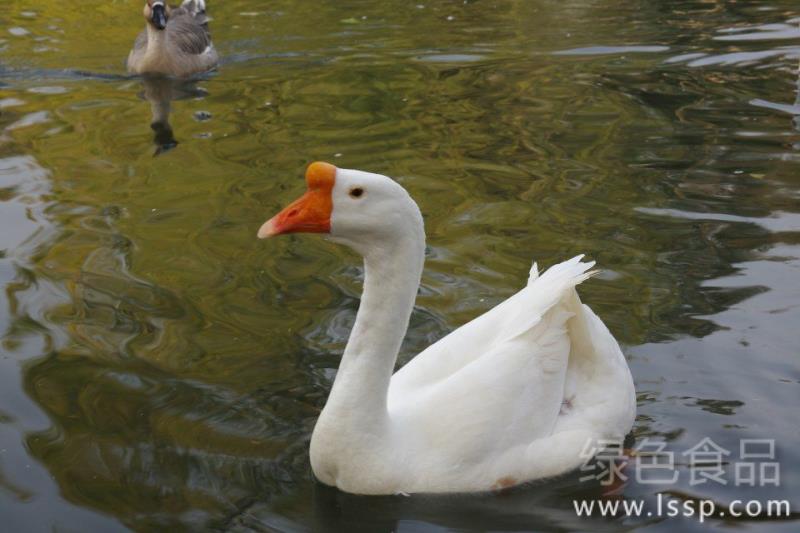
Symptoms and Prevention Methods of Heatstroke in Geese During Summer High Temperatures Due to Lack of Sweat Glands
Summer High Temperatures, Geese Lack Sweat Glands and Are Prone to Heatstroke: Symptoms and Prevention Methods of Heatstroke in Geese
-
How to prevent and treat heatstroke in cattle? A detailed explanation of integrated prevention and treatment technical points
Heatstroke in cattle is a common disease in summer and autumn, especially in draft cattle and calves. If heatstroke in cattle is not prevented and treated in time, it often causes death or seriously affects farm work, so great attention should be paid to it. I. Causes and symptoms. Heatstroke in cattle is the general term for sunstroke and heatstroke. In hot seasons, when the head of cattle is exposed to intense sunlight, it causes congestion of the blood vessels of the brain and meninges and substantive brain lesions, resulting in sunstroke. Narrow, low, stuffy, humid, and poorly ventilated cattle sheds; excessive work and insufficient drinking water; walking for a relatively long time on cement or
条件筛选