-

How to prevent and control red and white plastron disease in soft-shelled turtles? Detailed explanation of causes and prevention methods
Red and white plastron disease in soft-shelled turtles (commonly known as red plastron and white plastron disease) has been a relatively serious turtle disease in China in recent years, and so far there is still no ideal treatment method. However, through efforts in various aspects, the main pathogens and disease onset conditions of red and white plastron disease have basically been identified, and breakthrough progress has been made in prevention, especially in research on disease prevention with Chinese herbal medicines and immune vaccines, laying a foundation for controlling the occurrence of red and white plastron disease in the future. Based on relevant domestic research and my own practice, the author introduces the occurrence and prevention of red and white plastron disease as follows, for reference and application by interested parties.
-
What are the pest and disease control methods for Chuanxiong (Medicinal cyathula, Cyathula officinalis)?
The main disease during the growing period of Medicinal cyathula (Cyathula officinalis) is white rust. The symptoms of this disease are that all aboveground parts of the plant can be affected, manifesting as damage to the leaves, with pale yellow-green patches appearing on the leaf surface and corresponding blister-like protrusions growing on the underside, 1-2 mm in diameter. After the epidermis ruptures, a white, glossy, sticky-slimy powdery substance is released. When many blister spots occur, the diseased leaves turn yellow and brown. When it occurs on parts such as leaf petioles and young buds, pale yellow spots are produced, which later become white blister spots, and the diseased stems are often swollen and twisted. The pattern of white rust development is that the pathogen mainly overwinters as oospores
-
Detailed Explanation of Various Reproductive Organ Diseases in Cattle (Part One)
I. Endometritis is an important cause of infertility in cattle, and is divided into acute and chronic types. Causes and symptoms: It is caused by the invasion of bacteria and other microorganisms after calving (including abortion, management of dystocia, and mating). Brucellosis, trichomoniasis, improper handling, and drug stimulation can all serve as triggering factors. During acute attacks, body temperature rises, appetite decreases, the animal is listless, arches its back, strains, and urinates frequently. Mucous and purulent exudate flows from the vulva, with more discharge when lying down, and there is a fishy odor. On
-
Detailed Explanation of the Pathogen and Epidemiological Characteristics of Swine Vesicular Disease
This disease is an acute infectious disease caused by the swine vesicular disease virus. Usually, only pigs can be naturally infected by this disease, while other animals such as cattle and sheep are not easily infected, so it can be distinguished from foot-and-mouth disease. The disease is characterized by vesicles on the skin of hairless parts of the pig's body and on the oral mucosa. Vesicles and erosions also occur on the skin of the coronary band, interdigital space, and heel, and around the teats of sows. This disease is widely distributed and spreads rapidly. It was first discovered in Italy in 1966. By the 1970s, after successively becoming epidemic in the United States, Austria, Hungary, and other Eastern and Western European countries, it also occurred in Japan
-
Symptoms and Prevention and Treatment Methods of Swine Lungworm Disease
Swine lungworm disease mostly occurs in low-lying, damp areas and during summer and autumn, showing endemic prevalence. It mainly harms piglets, affecting their growth and development and reducing meat quality. Severe infection can cause pneumonia and lead to death. Symptoms: When pigs have a mild infection, there are no symptoms or they are not obvious; with severe infection, the symptoms are pronounced. More than one month after infection, pigs show symptoms such as paroxysmal coughing, thick yellow mucus flowing from the nose, rapid breathing, pale conjunctiva, reduced appetite and weight loss. Some die of suffocation because the worms block the trachea.
-
How do you identify sheep diseases? Remember these eight points to observe
With the adjustment of the structure of livestock breeds, Boer goat farming has become the first choice for farmers to get rich and reach a moderately prosperous life. Boer goats are an introduced breed, few in number and expensive. In addition to strengthening feeding management, the growth and activity of Boer goats should be observed frequently to ensure timely treatment in the early stage of illness and reduce losses. Generally, the following aspects are carefully observed and comprehensively judged to determine whether they are sick. 1. Look at the demeanor. Healthy Boer goats are full of energy, move agilely, and have bright eyes. Sick goats are sluggish, prefer to lie down, hang their heads, shed tears, and are afraid of light. 2. Look at feed
-
Symptoms and Prevention and Control Methods of Duck Viral Swollen Head Hemorrhagic Disease
Duck viral swollen head hemorrhagic disease is an acute septic infectious disease of ducks caused by duck viral swollen head hemorrhagic disease virus. Its clinical features include swelling of the duck's head, conjunctival hyperemia and hemorrhage, extensive hemorrhage of the whole body skin, enlarged liver that is earth-yellow in color and accompanied by hemorrhagic spots, body temperature above 43°C, and passage of thin grass-green feces. The incidence rate is 50%-100%, and the mortality rate is 40%-80% or even 100%. It is a new infectious disease that seriously harms the duck farming industry. 1 Epidemiological diagnosis of duck viral swollen head hemorrhagic disease Cheng Anchun et al. (2003
-
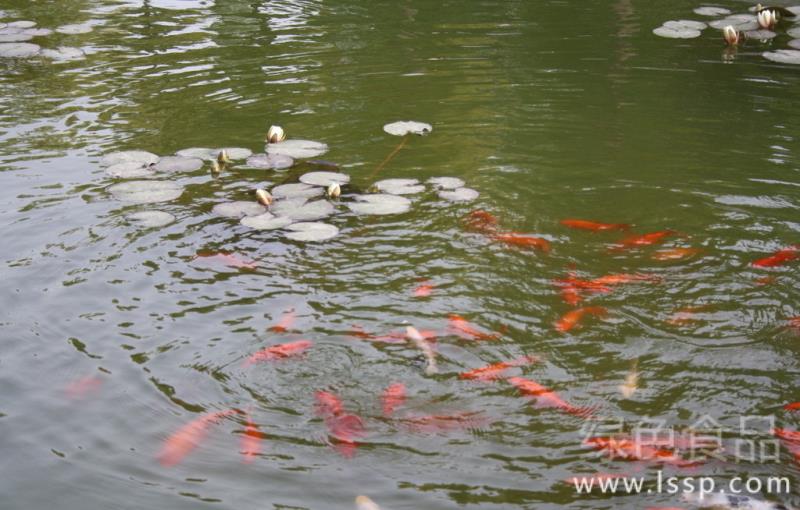
How to scientifically manage fish ponds when diseases break out frequently under high summer temperatures
How to manage fish ponds well in summer when diseases break out frequently under high temperatures
-
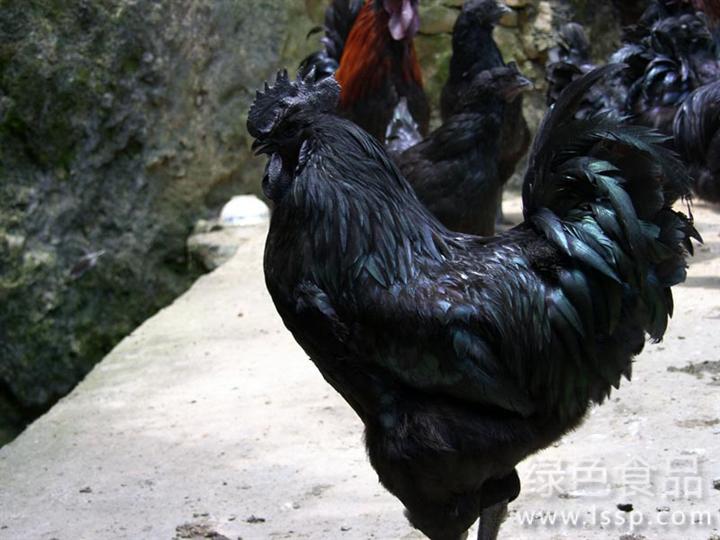
Silkie chickens have poor vitality and disease resistance; how can their survival rate be improved?
Silkie chickens have poor vitality and disease resistance; how can their survival rate be improved?
-
Symptom Identification and Control Methods for Cotton Brown Spot Disease
Symptoms The disease mainly affects leaves. When cotyledons are infected, pinpoint-sized purplish-red spots first appear, then expand into brown, purplish-edged, slightly raised round to irregular lesions; multiple lesions merge together to form large patches, with small black dots scattered in the center, which are the pathogen's pycnidia. The center of the lesion easily breaks off and falls out, forming holes, and in severe cases the leaves drop off. On true leaves, the lesions are round, yellowish-brown, with purplish-red edges. Pathogen Phyllosticta gossypina Ell. et Mart., called cotton Phyllosticta leaf spot
条件筛选