-
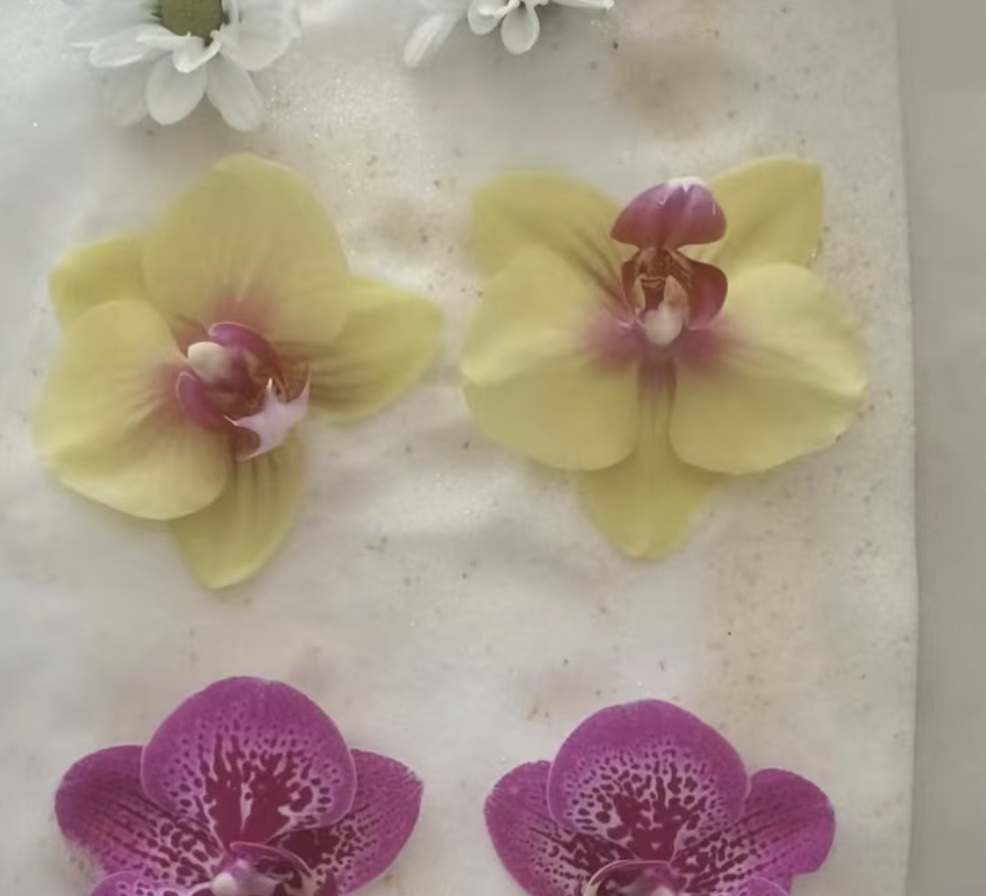
What are the three simplest steps for drying Phalaenopsis orchids? How to dry Phalaenopsis orchids in a way that looks good and doesn't cost money?
There is a flower that looks like a butterfly in flight, with petals in a variety of colors, some even featuring unique patterns. I’m sure you’ve guessed
-
Causes of Yellowing and Drying Leaves in Tomato Plants After Fruit Set and How to Prevent and Treat Them
Tomato leaves suddenly turning scorched yellow and wilting during the fruiting stage? Don't panic! Here we explain the causes and the corresponding symptoms. 1. Improper watering Waterlogged roots and root rot: the potting soil stays soggy for a long time, the roots are deprived of oxygen and rot, and the older leaves turn yellow first, spreading upward from the bottom; they feel soft and mushy to the touch, and in severe cases the whole plant wilts. Drought and lack of water: forgetting to water for a long time
-

Why Are the Leaf Tips of Phalaenopsis (Moth Orchid) Drying Up? A Look at Physiological Causes
Many people have kept a Phalaenopsis, or moth orchid, at home. When it comes to care, some grow theirs into a dazzling display of blooms, while others watch their plants develop all sorts of leaf problems over time, such as yellowing and drying up. Could these be normal physiological phenomena? Generally speaking, when moth orchid leaves turn yellow or dry up, the cause lies in the growing environment or
-
Reasons and Methods for Air-Drying the Roots of Phalaenopsis (Moth Orchids)
The thick, fleshy aerial roots of Phalaenopsis are most vulnerable to waterlogging and pathogen infection. Air-drying the roots allows the wounds from pruning to dry quickly and form scabs, reducing the risk of black rot, while also regulating root moisture to suit care needs across different seasons. 1. Air-drying after pruning: 1. Root trimming: Use sterilized scissors to cut off brown, soft, rotten roots and hollow roots, keeping the healthy
-
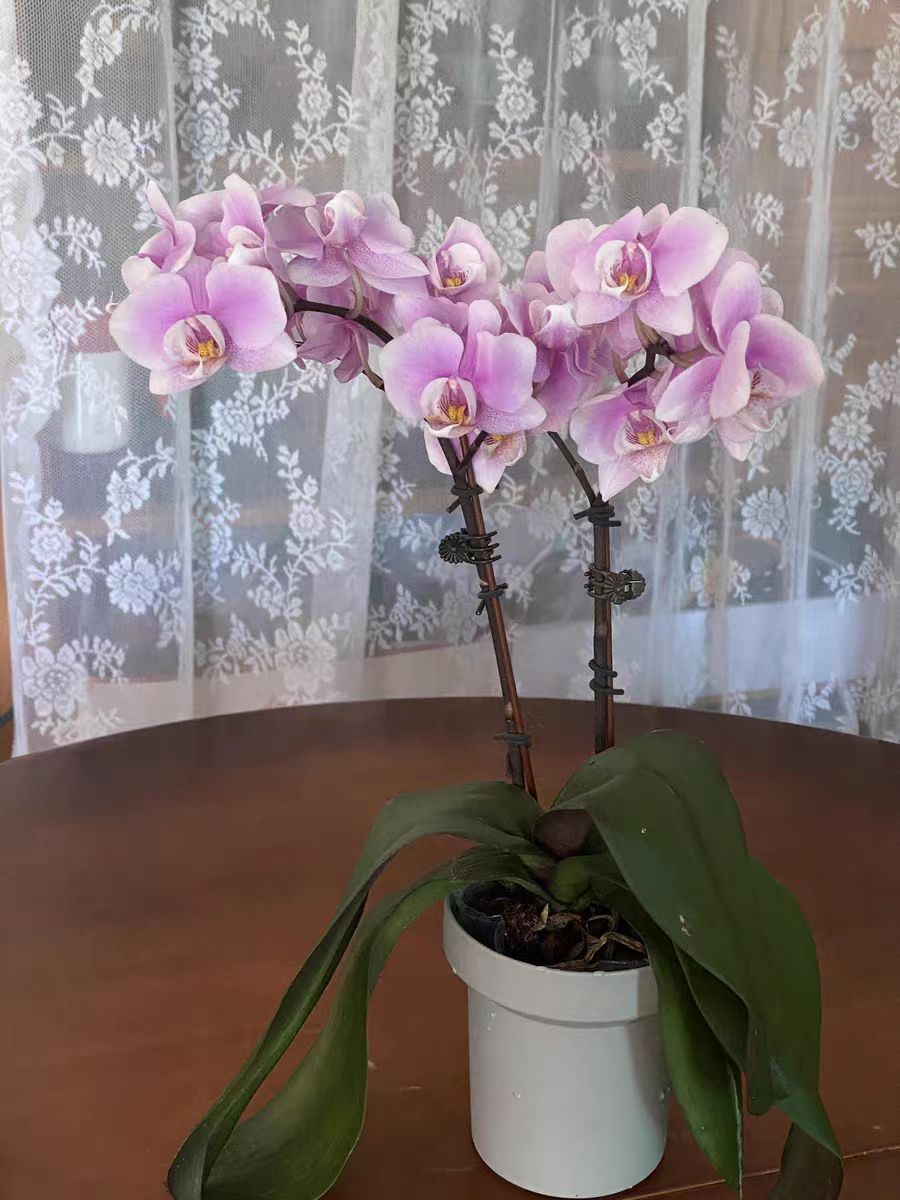
Is the tip drying of Phalaenopsis an physiological phenomenon?
Among many ornamental flowers, when the carefully cultivated Phalaenopsis shows the phenomenon of tip drying, it really makes flower enthusiasts worried. First
-
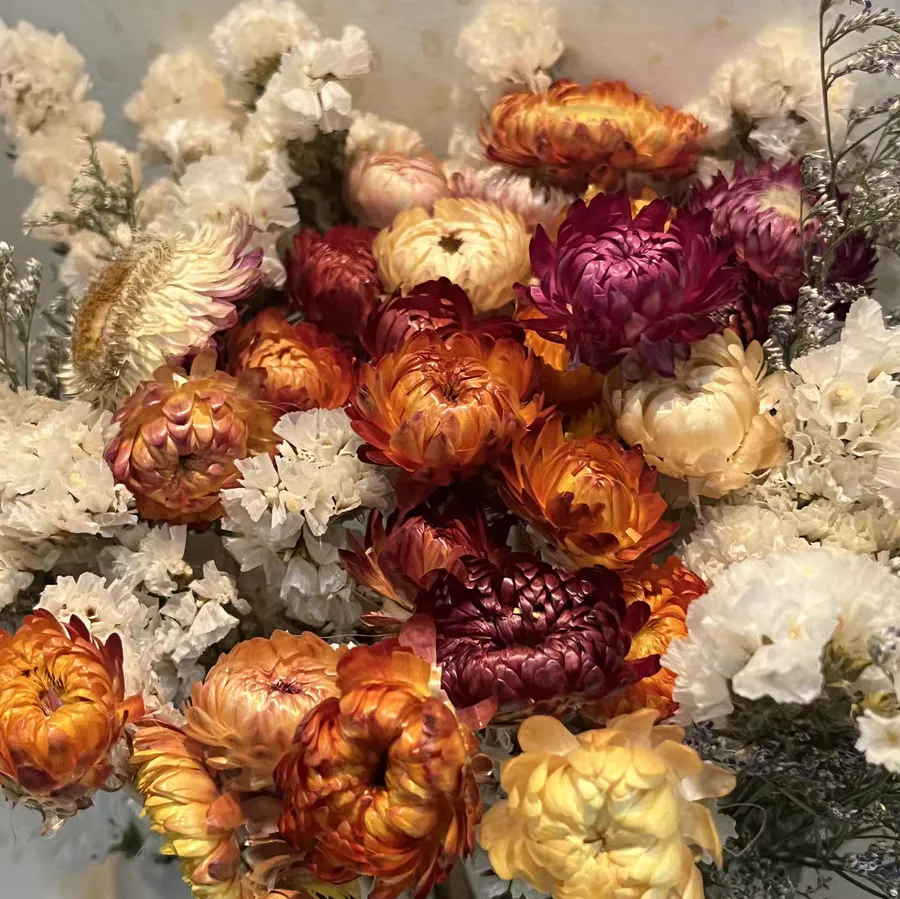
The differences between using desiccants and sun - drying in the production of dried flowers.
Dried flowers are really popular nowadays. They look great and create a wonderful atmosphere when placed in the house. If you want to make dried flowers
-

What to Do When a Phalaenopsis Orchid Wilts and Withers, and Can It Survive After Drying Out?
In the flower market bursting with blooms, the Phalaenopsis orchid, with its elegant poise and long-lasting ornamental period, consistently ranks at the top of the most popular flower lists. However, caring for this "fairy among flowers" is no easy task, especially when it comes to water management, which is particularly particular. Many flower enthusiasts often cause their plants to wilt due to improper watering, among which
-
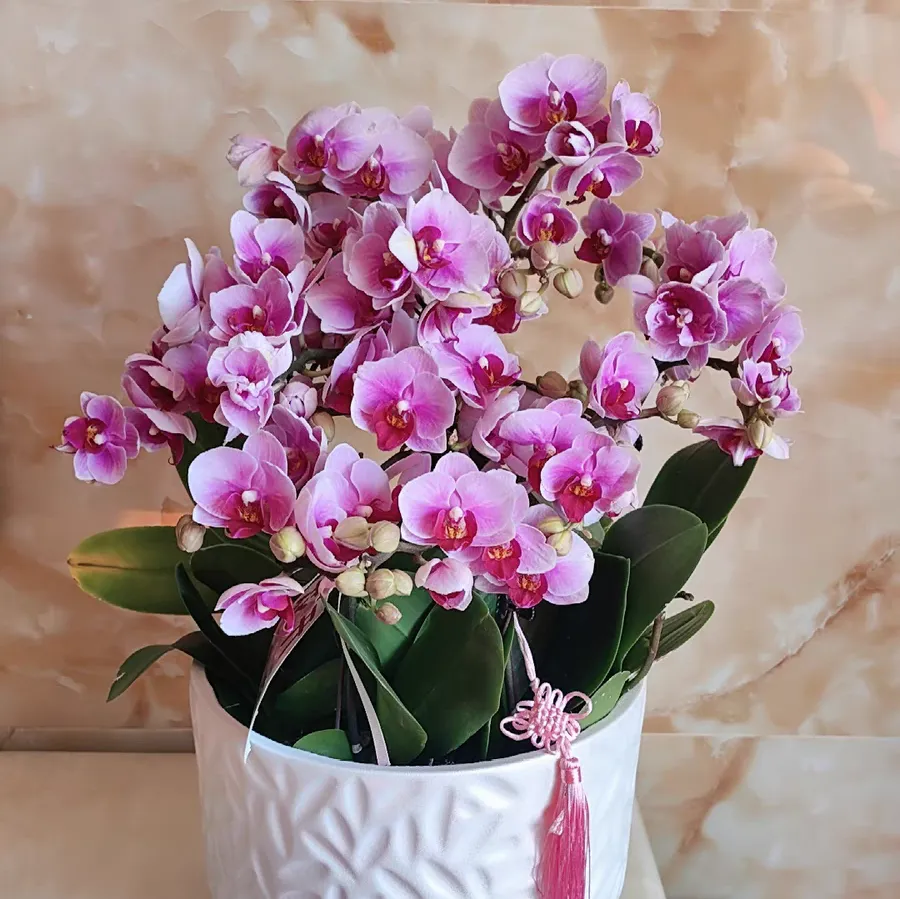
What are the reasons for the drying of the aerial roots of Phalaenopsis?
During the process of cultivating Phalaenopsis, one of the most frustrating things is probably seeing its aerial roots dry out! Aerial roots are of great
-

Reasons for Yellowing and Drying Anthurium Leaves and How to Fix Them
Anthurium is a beautiful indoor foliage plant, widely popular for its bright, palm-shaped leaves and spathe inflorescences. However, during care, anthurium leaves sometimes turn yellow, which is usually caused by a variety of factors. Understanding these causes helps us solve the problem better. Insufficient light: Anthurium
-

Causes of and Solutions for Yellowing, Drying and Dropping Leaves on Lilac
Lilac is a fairly popular flowering plant. It is rather small in appearance, elegant in form, and very endearing. Especially in April and May in spring and around July-August in autumn, its ornamental value is even higher because it is in bloom. The flower language of lilac is pure first love, which is very beautiful, and among them different
条件筛选