-

How to Treat Chicks with Diarrhea and Watery Droppings? A Guide to Medication Methods for Young Chicks
Young chicks refer to chickens from 0 to 50 days of age, when the chick's body has not yet developed well. If a chick has watery diarrhea, promptly refer to the content below in this article, and based on the shape of the watery droppings the chicken passes, determine the illness the chicken has, and promptly take corresponding treatment measures.
-
How to Treat Diarrhea and Watery Droppings in Pigeons? A Medication Guide for Racing Pigeons
There are many causes of diarrhea in pigeons, and treatment methods require selecting appropriate prevention and control approaches and medications. Under normal circumstances, pigeon droppings are small and firm, with a little bit of white on them. If watery droppings, loose droppings, or scattered droppings appear, the bird is not healthy. Racing pigeon diseases
-
Can rabbit droppings be used as fertilizer? Using them this way is safer and more effective
Rabbit droppings can be used as fertilizer, but they cannot be used directly; they need to be fermented for a period of time before use, because rabbit droppings contain a large amount of mineral elements, and their effect is far higher than other animal manures. If used directly, they will burn plants. When using rabbit droppings, if you are growing
-
How Poultry Keepers Diagnose Chicken Diseases by Looking at Chicken Droppings
Generally, normal chicken droppings are strip-shaped, with a layer of white urate covering the surface, and are moderate in firmness. Their color can vary depending on the type of feed, mostly grayish green or sauce yellow. If they are too hard or too thin, it is caused by insufficient or excessive drinking water.
-
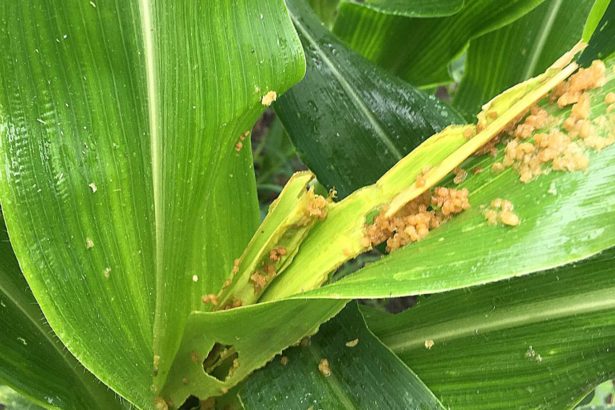
Fall Armyworm 0613"Pest Control Combat Manual! Identify the pest by appearance, droppings and bite marks, expert: Fall armyworm easily develops resistance, "only use pesticide when you see the pest"
Fall Armyworm 0613"Pest Control Combat Manual! Identify the pest by appearance, droppings and bite marks, expert: Fall armyworm easily develops resistance, "only use pesticide when you see the pest"
-
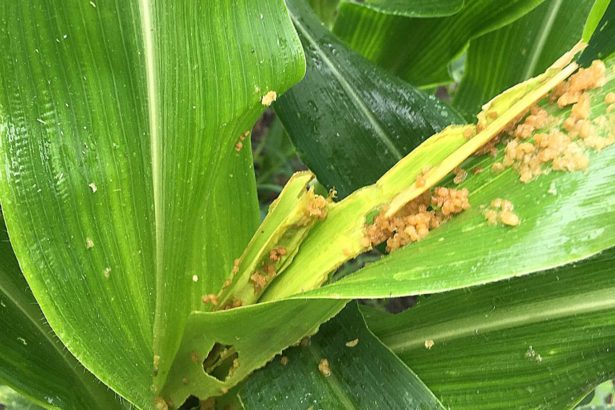
Fall armyworm easily develops resistance to pesticides; you can track it down by its appearance, droppings and bite marks, and only use pesticides when you actually see the pest
Fall armyworm eradication handbook! Track it down by appearance, droppings and bite marks; expert says fall armyworm easily develops resistance to pesticides, "only use pesticides when you see the pest"
-
Is it really necessary to clean rabbit droppings once every day?
Teacher Xu Shangjin, a skilled rabbit raiser in Heilongjiang, said that he found that rabbit droppings have a thin film on the outside. About ten minutes after the droppings fall onto the dropping board, this thin film dries, and if it is not broken, the droppings do not smell or give off odor! If the system of cleaning droppings once every day is insisted on, it will inevitably cause the droppings to break and give off a foul smell and odor. In addition, it also shows that cleaning droppings in the rabbit house every day will inevitably affect the rest of the rabbit herd. If the rabbits do not rest well, they will not grow well. Therefore, cleaning droppings every day is not recommended, and at the same time, washing the rabbit house with water every day is strictly prohibited. Practice has proved that some large
-
What do the five colors of chicken droppings each indicate?
1. Red 2. Green 3. White 4. Watery 5. Feed-colored Red droppings 1. Formed, with beef-thread-like strands, coccidia first-generation schizogony stage 2. Orange-red, falls to the ground unformed, undigested feed, enteritis 3. Purplish-red bloody droppings, cecal coccidiosis 4. Brown droppings, more in the morning, less in the afternoon, normal; brown droppings, less in the morning, more in the afternoon, vibrio hepatitis 5. Bloody droppings, mechanical injury or scratch Green
-
What disease is indicated by chickens passing red droppings?
1. Formed droppings with beef-thread-like strands - first generation schizogony stage of coccidia. 2. Orange-red, unformed droppings on the ground - undigested feed enteritis. 3. Purplish-red bloody droppings - cecal coccidiosis. 4. Brown droppings, more in the morning and less in the afternoon - normal. Brown droppings, less in the morning and more in the afternoon - vibrio hepatitis. 5. Bloody droppings from mechanical injury or scratches
-
What is going on with geese pulling white droppings, shaking their heads, coughing and having difficulty breathing?
1. Clinical symptoms: Sick geese are listless, with ruffled feathers, unwilling to move, standing apart and dazed, with reduced appetite or even complete loss of appetite, pulling white or green watery droppings, showing respiratory symptoms such as head shaking and sneezing, and neurological symptoms such as twisted necks, circling and head tilting appearing in the flock. 2. Treatment: 1. Emergency injection of avian influenza-paramyxovirus bivalent yolk antibody, 2 ml per bird. 2. Zhongmu Hudu Kuaike (100 g), two bottles per day, once in the morning and once in the evening, concentrated in drinking water, for 3 consecutive days. 3. Changganqing (100 g
条件筛选