-

How Poultry Keepers Diagnose Chicken Diseases by Looking at Chicken Droppings
Generally, normal chicken droppings are strip-shaped, with a layer of white urate covering the surface, and are moderate in firmness. Their color can vary depending on the type of feed, mostly grayish green or sauce yellow. If they are too hard or too thin, it is caused by insufficient or excessive drinking water.
-
What do the five colors of chicken droppings each indicate?
1. Red 2. Green 3. White 4. Watery 5. Feed-colored Red droppings 1. Formed, with beef-thread-like strands, coccidia first-generation schizogony stage 2. Orange-red, falls to the ground unformed, undigested feed, enteritis 3. Purplish-red bloody droppings, cecal coccidiosis 4. Brown droppings, more in the morning, less in the afternoon, normal; brown droppings, less in the morning, more in the afternoon, vibrio hepatitis 5. Bloody droppings, mechanical injury or scratch Green
-
What disease is indicated by chickens passing red droppings?
1. Formed droppings with beef-thread-like strands - first generation schizogony stage of coccidia. 2. Orange-red, unformed droppings on the ground - undigested feed enteritis. 3. Purplish-red bloody droppings - cecal coccidiosis. 4. Brown droppings, more in the morning and less in the afternoon - normal. Brown droppings, less in the morning and more in the afternoon - vibrio hepatitis. 5. Bloody droppings from mechanical injury or scratches
-
What disease does a chicken have if it passes white watery droppings?
Based on your description, it may be pullorum disease. Pullorum disease is an infectious disease caused by Salmonella pullorum. After newly hatched chicks are infected, they show listlessness, sensitivity to cold, drowsiness, refusal to eat, and difficulty breathing. The vent is often blocked by white pasty droppings, making defecation difficult. If not treated promptly, most die within 2 weeks. Chicks that recover become carrier birds. Adult chickens often have latent infection and generally show no clinical symptoms; in hens, only reduced egg laying or no egg laying is seen, the ova are shrunken, and the contents are greasy in appearance, with severe cases turning pale bluish or lead-black, and sometimes yolk peritonitis also occurs;
-
You can tell what disease a chicken has just by looking at its droppings
Chicken droppings are the end product of digestion in chickens, and many diseases produce characteristic changes in the color and shape of the droppings. Observing changes in chicken droppings is one of the methods for diagnosing disease. If keepers can recognize the abnormal reactions of chicken droppings, they can promptly spot abnormalities in the flock and take measures as early as possible to prevent and treat disease. Veterinarians can also infer the type of disease from changes in chicken droppings, providing a basis for disease diagnosis. Normal chicken droppings are strip-shaped or form a pile when they land, contain a small amount of moisture, have normal white urates at the upper end, and show normal color and shape at the lower end, with scattered dark brown oily cecal droppings mixed in
-
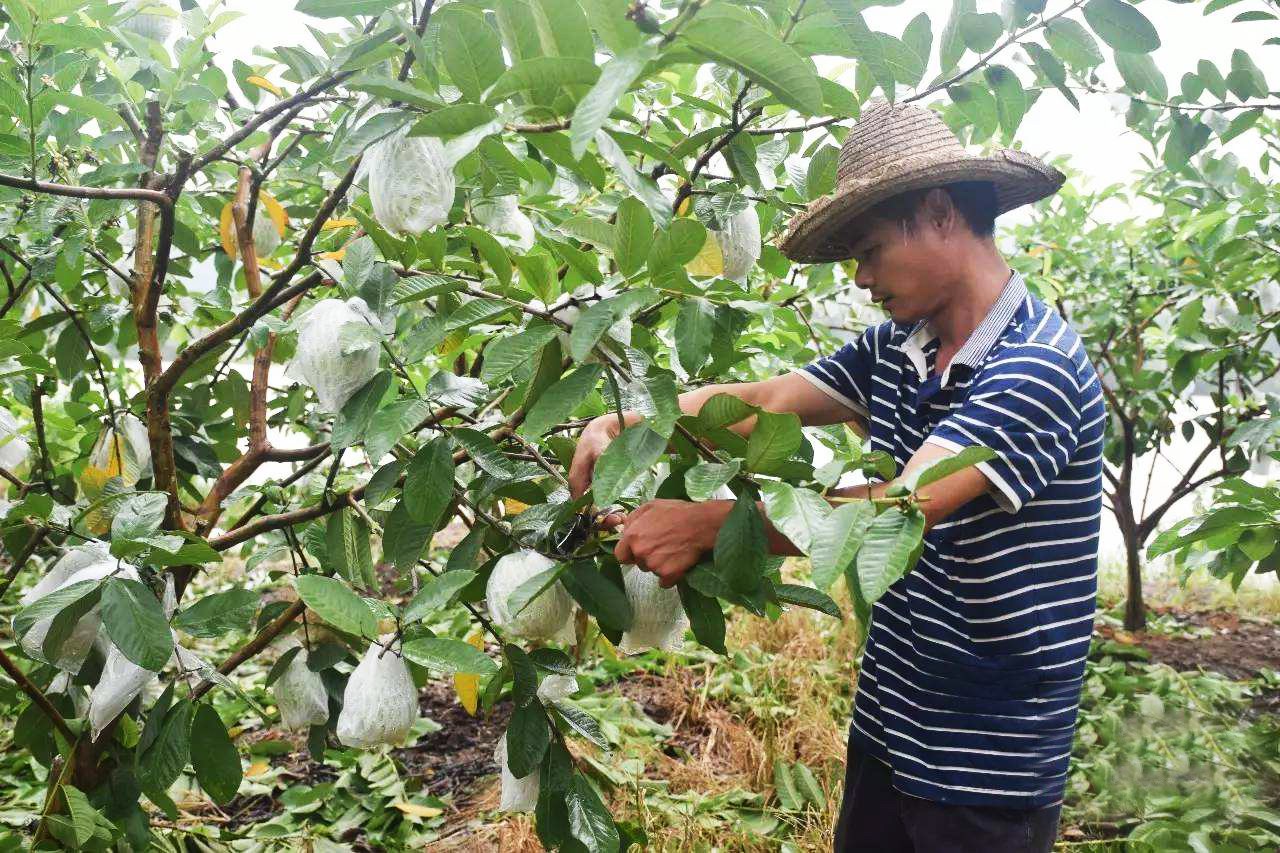
A premium fruit that smells like chicken droppings: the smellier it is, the tastier, yet people turn up their noses and dare not eat it
There are always some things that were once despised by people, and after their value and uses were discovered, they suddenly turned into premium goods. In the rural areas of the past, there was a fruit that people turned up their noses at and dared not eat because of its smell; even when it fell to the ground, nobody would pick it up,...
条件筛选