-
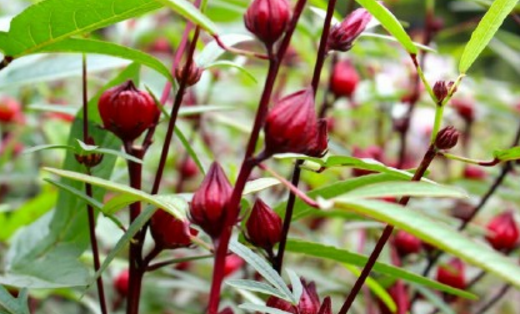
How to Grow Roselle (Hibiscus sabdariffa) from the Malvaceae Family: Cultivation Methods, Precautions, and the Benefits of Drinking It as Tea
The flower language of roselle is the feeling of being in love. So what are the cultivation methods and precautions for roselle? How do you brew it as tea? What are its benefits? According to available information, roselle likes light and prefers a relatively warm environment, generally growing best between 25°C and 30°C. Roselle is relatively drought-tolerant.
-
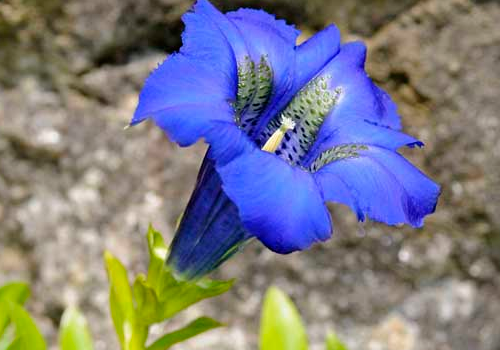
Cultivation Techniques for Gentiana scabra and the Benefits of Drinking It as a Tea
Gentiana scabra is a Chinese herbal medicine that can have a sedative effect, so what are the cultivation techniques for Gentiana scabra? And the benefits of drinking it as a tea? Cultivation techniques for Gentiana scabra: Gentiana scabra prefers a damp, cool climate and grows wild in mountainous areas, on slopes, at forest edges and in thickets. During the entire growing season, its temperature requirements are quite high.
-

Five myths about drinking tea that cannot be ignored, severe cases can be fatal
In daily life, many people are used to giving strong tea to someone who is drunk to sober them up, and some people believe that tea can cure "all diseases" and can be drunk without any scruples... But today we want to tell you that all of this is bad for your health and is a misunderstanding about drinking tea. Myth one: Strong tea sobers you up. Some people believe that drinking strong tea after alcohol has a "sobering" effect, but this is wrong. After drinking alcohol, the ethanol in the liquor enters the bloodstream through the gastrointestinal tract, is first converted into acetaldehyde in the liver, then into acetic acid, and then breaks down into carbon dioxide and water that are excreted from the body through the kidneys. But if you drink strong tea after alcohol, the caffeine in the tea
条件筛选