-

Which flower varieties are not afraid of being drenched by rain?
In nature, there are many kinds of flowers, and their water needs and adaptability vary widely. Some flowers are like delicate princesses that may wilt as soon as they get wet in the rain, while others keep growing vigorously no matter how the wind blows and the rain beats down. Jasmine: Jasmine likes a warm and humid environment, and summer
-

How to Fertilize Phalaenopsis Orchids: Which Is Better, Root Drenching or Spraying?
To help your Phalaenopsis orchid thrive and produce beautiful blooms, a sensible fertilizing method is essential. Starting from Phalaenopsis fertilizing techniques, we analyze the pros and cons of two fertilization methods, root drenching and spraying, to help you better care for your Phalaenopsis. Phalaenopsis has its own unique fertilizer needs. First, fertilizing should follow
-

Latest Winter Vegetable Chemical Root Drenching Methods and Precautions
After entering winter, the temperature inside greenhouses is low and the humidity is high, and such an environment very easily leads to the occurrence of diseases. To control root diseases, choosing chemical root drenching is one of the most effective measures, but when carrying out root drenching you must pay attention to technique, otherwise it may backfire.
-
Can mancozeb be used as a root drench? Instructions for correct use
The pure product of mancozeb is a white powder, while the technical-grade product is a grayish-white or pale yellow powder. The so-called protection of crops means providing plants with the element Zn; besides solving the symptoms of zinc deficiency, it enhances the plants' ability to resist diseases, thereby relatively speaking playing a bactericidal role.
-
What is the root-drenching dosage of metalaxyl-hymexazol?
Metalaxyl-hymexazol is a systemic highly effective fungicide, and it is used in many places in daily practice, so what is the root-drenching dosage of metalaxyl-hymexazol? I. Basic introduction to metalaxyl-hymexazol. Metalaxyl-hymexazol is a plant fungicide, soluble in water, and the application methods are root drenching and spraying.
-
How to Use Hymexazol for Root Drenching? A Detailed Guide to the Correct Method
Hymexazol is an excellent systemic fungicide that effectively promotes root growth and improves the cold resistance of seedlings. Generally, it is diluted and used as a root drench. So how do you use hymexazol for root drenching? 1. How to use hymexazol for root drenching? Dilute hymexazol with water at 1500 times or pour it directly onto the roots of the plant.
-
How do you use hymexazol 99 as a root drench correctly?
Hymexazol is a very good systemic fungicide that can effectively promote root growth and improve the cold resistance of seedlings. Generally, it just needs to be diluted and used as a root drench, so how do you use hymexazol 99 as a root drench? 1. How do you use hymexazol 99 as a root drench? Dilute hymexazol with water at 1500 times or pour it directly onto the
-
Can Thiophanate-Methyl Be Used for Root Drenching? Application Methods and Precautions
Summer temperatures are relatively high, and vegetables and fruits grow vigorously, often leading to an imbalance between nutrition and growth. Root drenching can effectively help vegetables grow, so can thiophanate-methyl be used for root drenching? 1. Can thiophanate-methyl be used for root drenching? Thiophanate-methyl
-
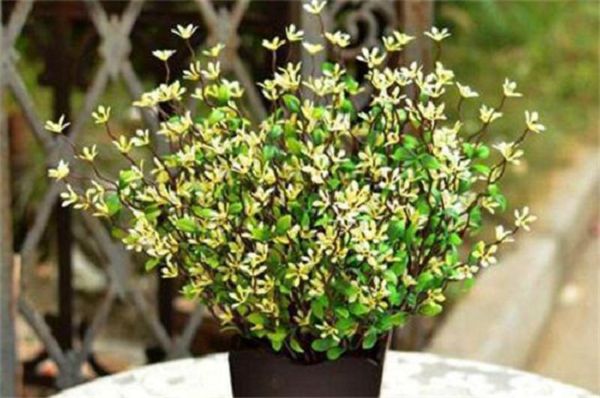
What pests affect the Milan flower? For cutworms, prune the roots, replace the soil and drench with pesticide for control
What pests affect the Milan flower? For cutworms, prune the roots, replace the soil and drench with pesticide
-
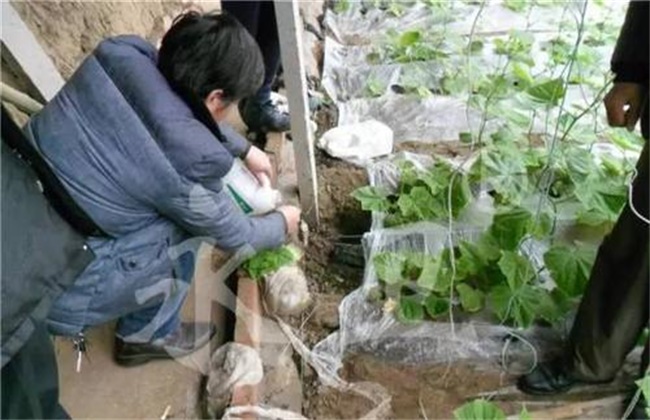
Correct methods and precautions for root drenching vegetables with chemicals in winter
Methods and precautions for root drenching vegetables with chemicals in winter
条件筛选