-

What does "mature Phalaenopsis seedling" mean, and how does it differ from a semi-mature seedling?
When we buy Phalaenopsis orchids, we often come across the two concepts of "mature seedling" and "semi-mature seedling." So what exactly does a mature Phalaenopsis seedling mean? And how does it differ from a semi-mature seedling? Understanding this knowledge can help us better choose the plant that suits us and improve our success rate in caring for it.
-
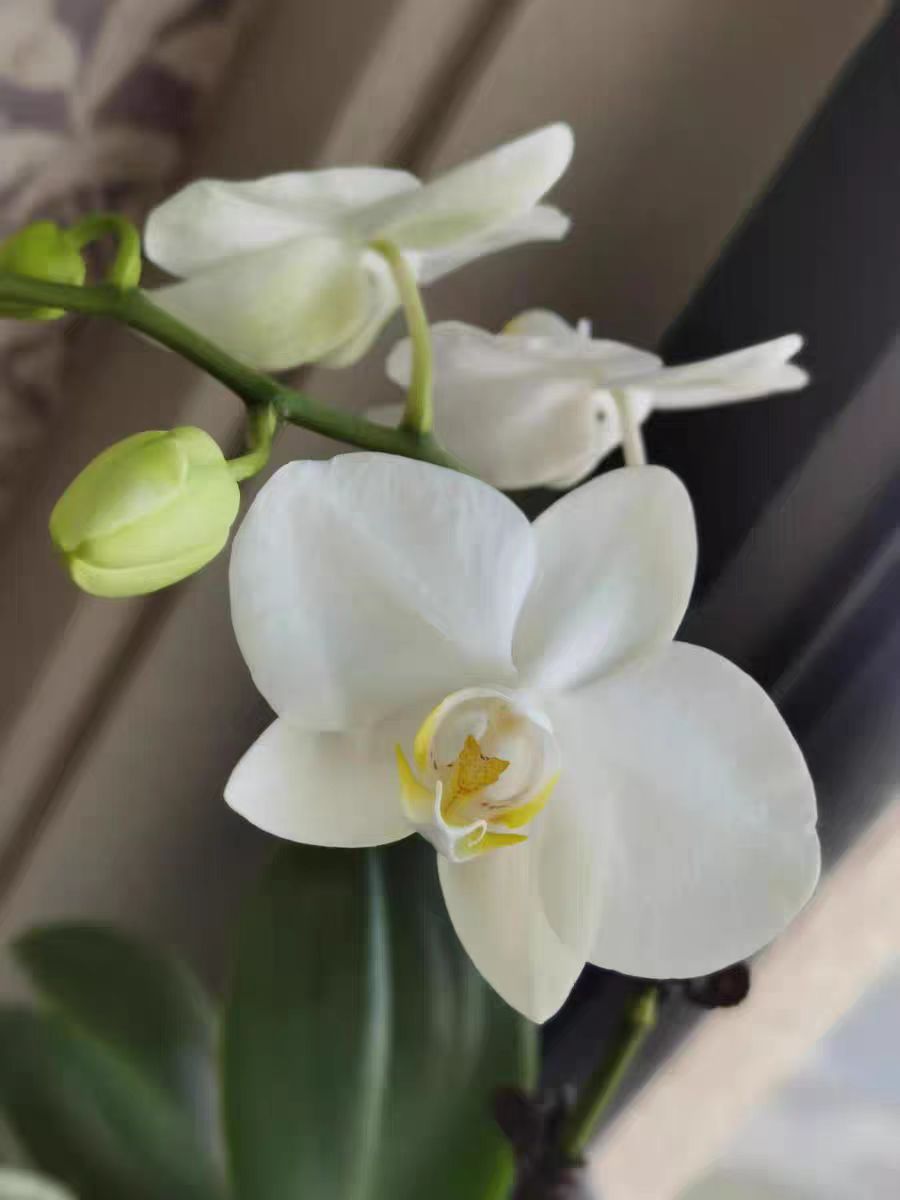
Does the flower of Phalaenopsis get bigger as the seedling age increases?
For those who are new to Phalaenopsis, the relationship between the seedling age of Phalaenopsis and the size of its flowers, as well as how to identify the
-
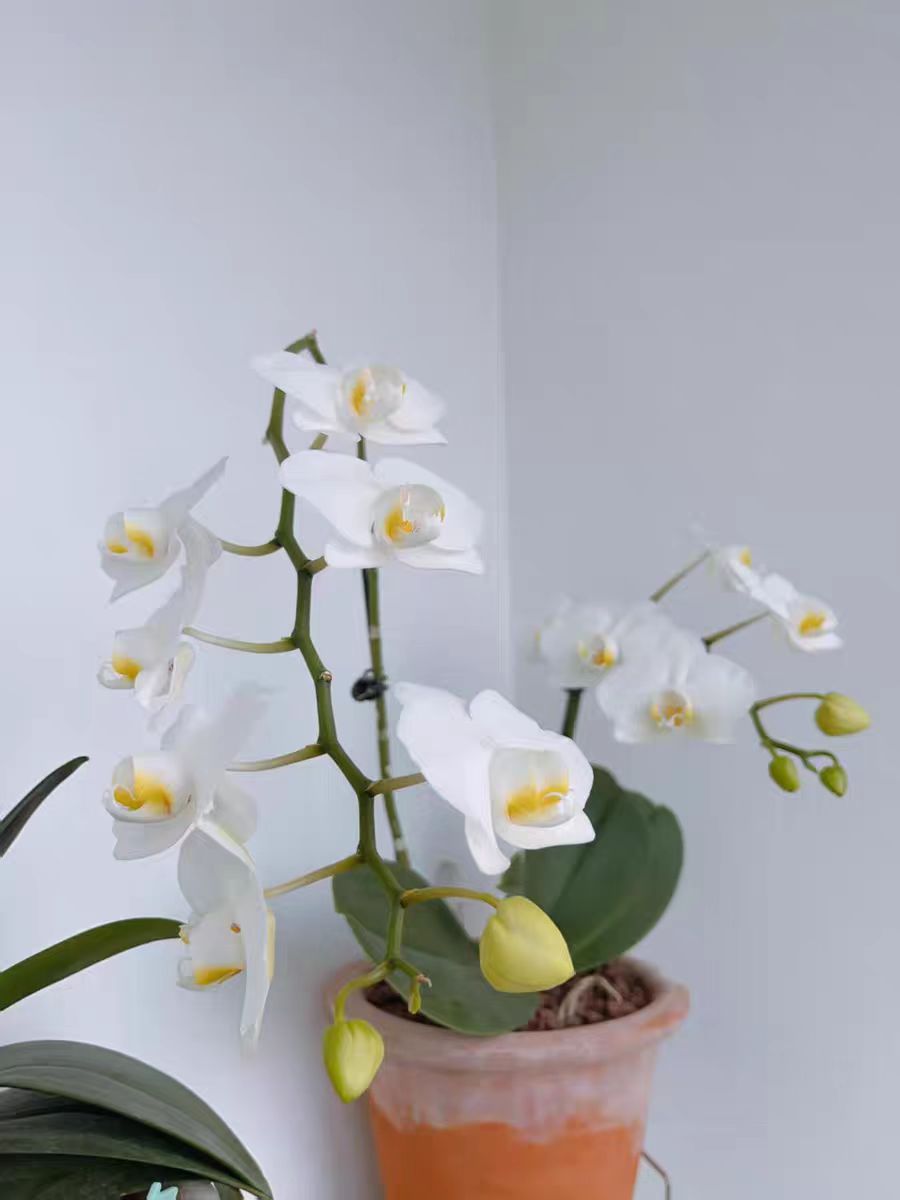
Does not sterilizing the tools affect the propagation of Phalaenopsis?
During the propagation of Phalaenopsis, many people choose methods such as division and cutting to cultivate new plants. However, many people often overlook a
-

What does "semi-mature seedling" mean for Phalaenopsis, and how should it be cared for?
In the cultivation of Phalaenopsis, the "semi-mature seedling" is a key stage. So what exactly does semi-mature Phalaenopsis seedling mean? And how should it be carefully cared for? A semi-mature Phalaenopsis seedling refers to a plant that has passed the seedling stage and has a certain growth foundation in both morphology and physiology, but has not yet fully reached the mature
-

What is the difference between summer-blooming and winter-blooming Phalaenopsis orchids, and how long does the summer bloom last?
If you want to grow Phalaenopsis orchids, winter blooms and summer blooms are not the same, and everything from flowering to care involves a lot of know-how, so below I will share how to grow them beautifully. Differences between winter blooms and summer blooms 1. Blooming time Winter blooms generally open from November to February of the following year, right around New Year's Day and the Spring Festival; summer blooms are a summer exclusive, from June
-

Does a Phalaenopsis orchid need pruning after division? Keep these precautions in mind
As a much-loved ornamental flower, the Phalaenopsis orchid can be propagated by division to turn one pot into many, carrying on its elegant beauty. But whether pruning is needed after division, and what follow-up precautions there are, is the focus of many flower lovers' attention. Mastering the correct handling methods can greatly improve the survival rate and growth quality of Phalaenopsis orchids after division.
-
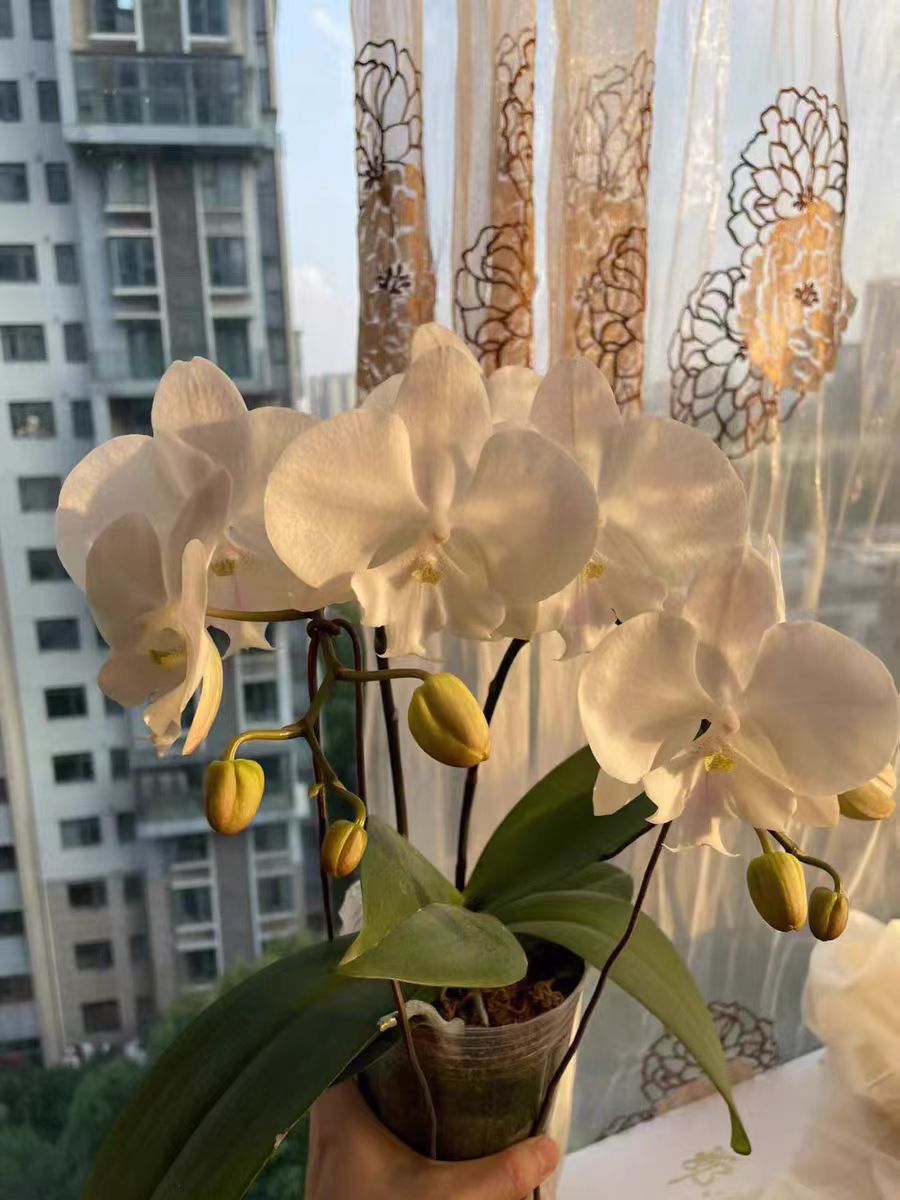
What does the Phalaenopsis orchid rely on to absorb water?
The Phalaenopsis orchid has flowers that resemble butterflies with outstretched wings. Its petals are mostly broad - rounded, and the common flower colors
-
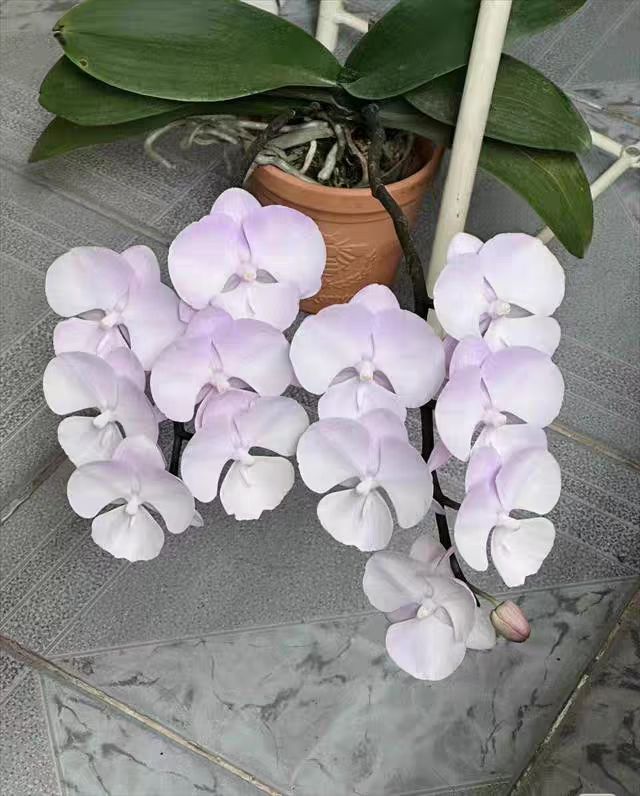
Does the root of Phalaenopsis (moth orchid) perform photosynthesis?
Phalaenopsis is renowned for its flowers. People often focus on its gorgeous blooms but rarely pay attention to its unique root system. So, do Phalaenopsis
-

How many types of roots does a Phalaenopsis orchid have? A detailed explanation of root functions
In the vast and diverse world of flowers, beyond its stunning blooms, the Phalaenopsis orchid's root system is equally full of mystery. These roots of varying forms are not only key to the plant's survival but also carry unique biological functions. From appearance and function, Phalaenopsis roots can mainly be divided into aerial roots and underground roots, but as a typical
-

How does the Phalaenopsis orchid absorb water and nutrients?
The Phalaenopsis orchid, whose flowers resemble butterflies with spread wings, has petals that are mostly broad and round, with colors commonly seen in white, pink, purple and multicolored varieties, and an inflorescence that is slender and graceful, giving it high ornamental value. To keep this delicate and beautiful Phalaenopsis orchid growing healthily, it is crucial to understand its mechanisms for water uptake and nutrient absorption. The unique root system of the Phalaenopsis orchid
条件筛选