-
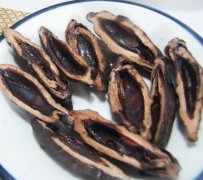
Can you get addicted to betel nut after trying it once? First-time reactions and the reasons for addiction
Betel nut has now become the most popular product among Chinese men besides cigarettes. We all know that eating betel nut is addictive, but do you know why betel nut is addictive? What does it feel like to eat betel nut for the first time? Will you get addicted after eating betel nut just once? Let's find out together
-
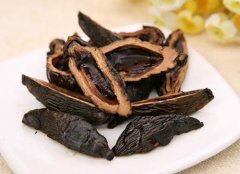
Why is chewing betel nut addictive? Should you spit it out, and how many can you eat at most in a day
Chewing betel nut has become a habit for many people. How to chew betel nut and whether you should spit it out is something everyone knows. Betel nut cannot be swallowed, it can only be chewed. Everyone says chewing betel nut is addictive, but why is it addictive? How many betel nuts can you eat at most in a day
-

The benefits and ways to eat Nymphoides peltata, and can pregnant women eat it?
Do you know Nymphoides peltata? It is a very special type of plant. Although they look like water lilies and their flowers are similar to those of Hydrocharitaceae plants, they belong to neither of these two groups. They are members of the order Asterales, family Menyanthaceae. So what does Nymphoides peltata have
-
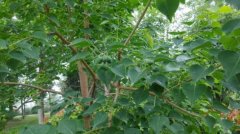
What month does the Chinese tallow tree bloom? What are the medicinal values of the plants parasitic on it
The Chinese tallow tree (Triadica sebifera) is a colored-leaf tree species. Its bark is brown or gray, covered on the outside with a white waxy layer. Its diamond-shaped leaves are its main feature, with entire leaf margins and no fine serrations. The leaves are simple and alternate, and the leaf surface has a layer of wax, so it feels smooth to the touch. In spring and autumn
-
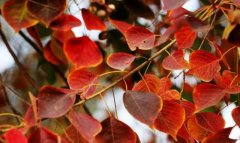
What season does the Chinese tallow tree bloom? Reasons for its curved trunk shape and wood characteristics
The leaves of the Chinese tallow tree change color with the seasons and climate, just like the poinsettia. When the climate gradually turns cool and autumn and winter slowly arrive, the leaves change from emerald green to yellow and orange-red, and then to red or reddish-brown, which is
-

What protection level does the black-faced spoonbill have? A detailed look at its appearance and migratory bird status
What does the black-faced spoonbill look like? Hearing the name, you might wonder whether it looks similar to a pipa. That is exactly right, because its long, flat, spoon-shaped bill is extremely similar to the pipa, a Chinese musical instrument, and that is how it got its name. Is the black-faced spoonbill a migratory bird? Yes.
-

How many levels of protection does the black-faced spoonbill have? An analysis of its habitat in Zhuanghe and its migration route
Do you know the black-faced spoonbill? Its numbers are extremely small. How many levels of protection does the black-faced spoonbill have? It is a Class II protected wild animal. So we must take good care of it. Xingrentuo on Shicheng Island and Yuanbaotuo in Wangjia Town of Zhuanghe City are the black-faced spoonbill's only breeding site in China
-
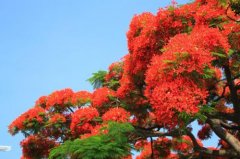
How many times does the flamboyant tree bloom in a year? Is its blooming time in spring?
Do you know the flamboyant tree? This flower is called by many people the flower of parting. Why do they say that? It is because the blooming period of this flower is different. The flamboyant tree does not bloom in spring; its blooming period is from May to July, and it is also a two-season flower, blooming twice a year, one
-
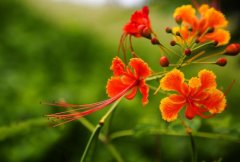
The Flame Tree only blooms twice a year; does it bloom in autumn?
The flame tree (Delonix regia) was introduced in 1897 when seeds were purchased by the Japanese consulate in Bombay, and it was first planted in Tainan; it is an endangered species in the wild, and has now been introduced and cultivated artificially, widely grown as an ornamental tree. In Hong Kong, China it is a common introduced variety of deciduous tree. Later it was also
-
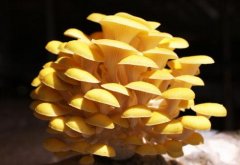
Cultivation method for golden oyster mushroom (Pleurotus citrinopileatus) spawn: which sawdust is best, and does spraying more water make it grow faster?
Mushrooms growing in indoor plants are caused by fungi. Mushrooms are the fruiting bodies of fungi. One of the most common mushrooms found in indoor plants is the golden oyster mushroom (Pleurotus citrinopileatus) spawn. This is a pale yellow mushroom with a pleated or flat cap, depending on how mature they are.
条件筛选