-

How to Grow Nymphoides peltata for Healthy Growth: Planting Methods and Care Guide
A detailed introduction to the planting methods and care techniques for Nymphoides peltata, including how to grow Nymphoides peltata, soil preparation, light and watering, propagation methods, fertilizing and pruning, pest and disease control, and other practical content.
-
The Latest Cultivation Techniques and Methods Tutorial for Nymphoides peltata
Nymphoides peltata generally grows in relatively shallow water and is a wild vegetable widely distributed in China. Wild Nymphoides peltata generally grows beside small streams, beside rivers, in ponds, on shoals, in rice paddies and other areas. With the improvement of people's living standards, the formerly worthless Nymphoides peltata has become
-
Can Bang's water plant Nymphoides peltata be eaten, its effects, and cultivation methods and precautions
Nymphoides peltata is a shallow-water plant; it floats on the water surface or grows in mud, with bright yellow flowers rising above the water surface, many flowers and a long flowering period, making it an excellent choice for embellishing water features in courtyards. So, can Nymphoides peltata be eaten? What effects does it have? What are the cultivation methods and precautions? 1
-

Cultivation Techniques and Management Methods for Nymphoides peltata
Cultivation Techniques for Nymphoides peltata
-
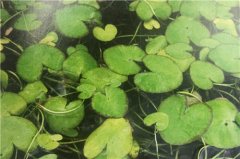
The benefits and ways to eat Nymphoides peltata, and can pregnant women eat it?
Do you know Nymphoides peltata? It is a very special type of plant. Although they look like water lilies and their flowers are similar to those of Hydrocharitaceae plants, they belong to neither of these two groups. They are members of the order Asterales, family Menyanthaceae. So what does Nymphoides peltata have
-
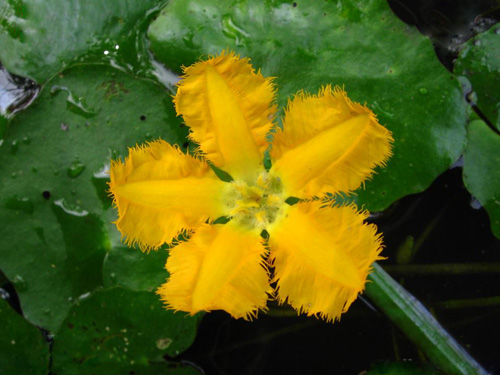
How to Grow the Aquatic Plant Nymphoides peltata (Fringed Water Lily)
Nymphoides peltata (fringed water lily) Scientific name: nymphoides peltatum Family and genus: Menyanthaceae, Nymphoides Morphological characteristics: A perennial floating herb. Stems are of two types: long stems creep along the bottom of the water, and short stems grow from the nodes of the long stems. Leaves are ovate, deeply cleft at the base into a heart shape. Umbels grow in the leaf axils, and the flowers are large and conspicuous.
-

What are the propagation methods for Nymphoides peltata? Beginners can easily learn them too
Seed propagation: The seeds of Nymphoides peltata have a relatively hard outer shell. Before planting, soak the seeds in water or place them on a moist towel, and wait for the seeds to gradually crack open and germinate. Generally, sowing can be done in early April. Pond mud can be used as the growing medium. Scatter the seeds evenly over the soil, water thoroughly, cover with glass to keep warm, and floating leaves will grow within one month
-
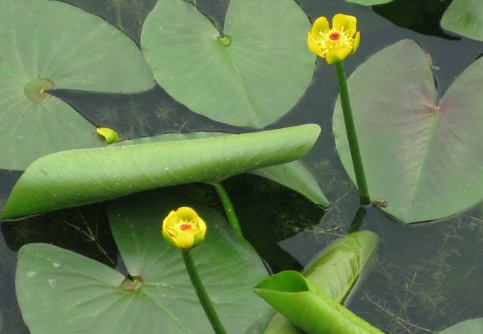
Cultivation methods and daily care tips for Nymphoides peltata
1. Substrate: Ordinary pond mud can be used as the substrate for cultivating Nymphoides peltata. It should not be too fertile, otherwise the branches and leaves will grow too densely and flowering will be affected. 2. Light: Normally ensure sufficient light for Nymphoides peltata. It can be placed in the courtyard for care and will grow well even without shading. 3. Water: Nymphoides peltata has a relatively high water requirement.
-

What are the effects and benefits of Nymphoides peltata? Understanding its main value in one article
What are the uses of Nymphoides peltata
-
条件筛选