-
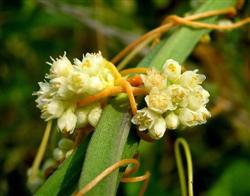
How to control dodder (Cuscuta) on lychee and longan
Dodder has no roots and no leaves, but its stem bears serrated haustoria (or sucking roots), which it uses to penetrate deep into the bark to absorb nutrients, affecting the growth of the fruit seedlings; in severe cases it can cause the seedlings to wither and die. It is more commonly seen in mature lychee orchards in mountainous areas. Dodder can flower and set seed; the flowers are small and white, and the fruit drops to the ground on its own after ripening...
-
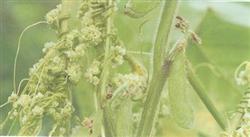
Dodder Control Methods and Technical Key Points in Soybean
Dodder, also called yellow silk vine or tangling silk vine, is a malignant weed. It harms many crops and can cause total crop failure in soybean, and it occurs commonly in all regions. (1) Morphology: The stem of soybean dodder is yellow, orange-yellow or yellow-green, smooth and hairless, thread-like, and coils leftward around the host stem. The leaves are reduced to membranous scales. The flowers...
-

What Is the Price of Dodder Seeds? A Detailed Guide to Growing Them
Dodder Seed Prices and Growing Methods
-
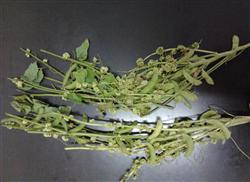
How to control dodder in soybean with glyphosate?
How do you use glyphosate to control dodder in soybean? Please explain the method. Dodder in soybean is a parasitic weed on soybean, also known as rootless vine. After soybean is sown and emerges, the dodder seeds in the soil also begin to germinate; after the young stems extend above the soil surface, they absorb nutrients from the soybean plants, reducing soybean flowering and pod setting, and in severe...
-

Detailed Explanation of Key Points for High-Yield Cultivation Techniques of Dodder
High-Yield Cultivation Techniques of Dodder
条件筛选