-

Enema Therapy for Treating Digestive System Diseases in Dogs
In pet diagnosis and treatment, the most commonly encountered condition is digestive system disease in dogs. Applying a simple enema method according to the condition can achieve good results. Scope of application of enema therapy: (1) When a dog shows symptoms of gastroenteritis such as vomiting and diarrhea, and feces that are bloody and foul-smelling, enema therapy can be used for treatment, removing loose feces, emptying the intestines, and administering drugs directly via the rectum. (2) When a dog has fecal impaction such as dry stool and difficulty defecating, enema therapy can be used to soften the feces and lubricate the intestines.
-
What are the manifestations of a dog's digestive characteristics?
In animal taxonomy, dogs belong to the order Carnivora. The ancestors of dogs mainly preyed on small animals, and occasionally filled their hunger with tuberous plants. After dogs were domesticated by humans, their feeding habits changed, becoming omnivores that mainly eat meat, but a vegetarian diet can also sustain life. Even so, they still retain a digestive characteristic of being mainly carnivorous. For example, a dog's teeth: the upper and lower jaws each have a pair of sharp canine teeth, reflecting the trait of carnivores being good at tearing at prey. A dog's molars are also relatively sharp and strong, able to cut food. When gnawing bones, the pressure between the upper and lower teeth can reach 165 kg, but they are not good at chewing.
-
What are the digestive physiological characteristics of donkeys? Read this article to understand
Digestive physiological characteristics of donkeys: Donkeys have hard, well-developed teeth and flexible upper and lower lips, suitable for chewing coarse and hard feed. Donkeys have well-developed salivary glands; every 1 kg of forage can be softened and digested by 4 times its amount in saliva. The donkey's stomach is small, only equivalent to one-fifteenth that of a cow of the same size. The cardiac sphincter of the donkey's stomach is well-developed, while the vomiting nerve is underdeveloped, so it is not easy to feed feed that ferments and produces gas, to avoid gastric dilation. Chyme stays in the stomach for a short time; when the chyme in the donkey's stomach reaches two-thirds, as feeding continues, the stomach contents are continuously
-
How to prevent and treat indigestion in pigs? A full breakdown of practical methods
Do not feed pigs too much; if they get indigestion, they will become listless. You can break up steamed bun starter (fermentation starter) into pieces, add an appropriate amount of water, mix it into a thin slop, and feed it to the pigs. If it is a large pig with a big appetite, also mix in cornmeal or fine bran, knead it evenly, ferment it, and likewise feed it as a thin slop. One dose is enough to cure the illness.
-
What are the common signs of digestive system diseases in pigs?
Diseases whose main manifestation is a digestive system syndrome are very common in winter. The main signs of these diseases are diarrhea, with a variety of colors, a relatively large amount of mixed matter, and severe emaciation. In treating ordinary diarrhea, both the symptoms and the root cause should be addressed, while for infectious diarrhea, prevention should be the priority.
-
What are the symptoms of upper digestive tract disease in dogs?
The digestive system is divided into the upper digestive tract, which consists of the mouth, esophagus, stomach, liver, spleen and pancreas, and the lower digestive tract, which includes the small intestine, large intestine, rectum and anus. Each part has its own specific problems, and it is best to analyze them separately: Stomach: Stomach disease can be divided into acute (a sudden onset of severe illness) or chronic (a long-term but milder problem). Signs of colic (stomach pain) include: whimpering, arching the back into a bow shape, and tenderness in the abdomen. Signs of acute disease include: vomiting
-
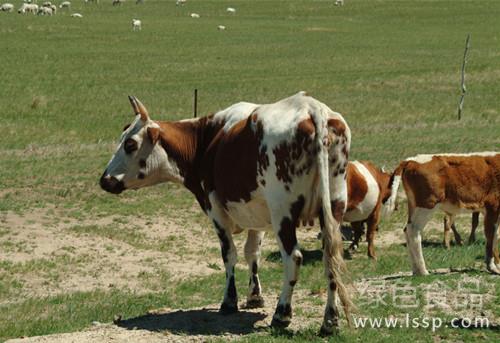
Prevention and Treatment Methods for Pica (Abnormal Appetite) and Indigestion in Cattle That Chew and Eat Foreign Objects
Prevention and Treatment Methods for Indigestion and Pica in Cattle That Chew and Eat Foreign Objects
-
-
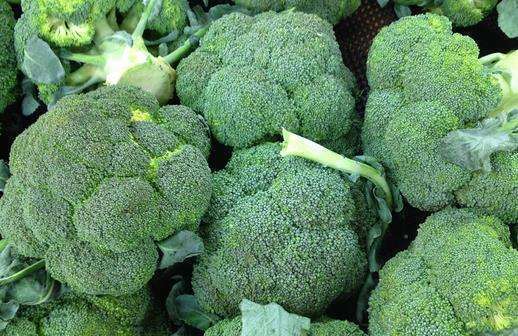
3 vegetables that need blanching before going into the pot, tasty and easy to digest
Autumn is a relatively dry season, and once the climate turns dry, it can also affect our human bodies, for example: constipation. A life without having experienced constipation is not a real life... that may sound a bit crude, but the reasoning is not wrong. Some...
-

Orchids love this kind of soil: ferment it with a little yogurt and it becomes rich and oily with nutrients. Netizens say: it helps digestion.
Orchids love this kind of "soil": ferment it with a little "yogurt" and it becomes rich and oily with nutrients. Netizens say: it helps digestion. Growing flowers at home has become part of many people's lives, and many people place all kinds of...
条件筛选