Prevention and Treatment Methods for Pica (Abnormal Appetite) and Indigestion in Cattle That Chew and Eat Foreign Objects
If cattle frequently eat hair, lick and chew cinders, wall soil, bricks, rags and other such objects, this can be regarded as a sign of pica. Pica is a syndrome of metabolic disorder and abnormal taste perception. It is mostly caused by insufficient mineral elements in the body, such as a deficiency of calcium, sodium, iron, cobalt, sulfur, etc. In addition, overcrowded pens, poor ventilation and lighting, lack of protein especially certain essential amino acids and vitamins, imbalance of various nutrients, insufficient drinking water, or certain parasitic diseases are also contributing factors.
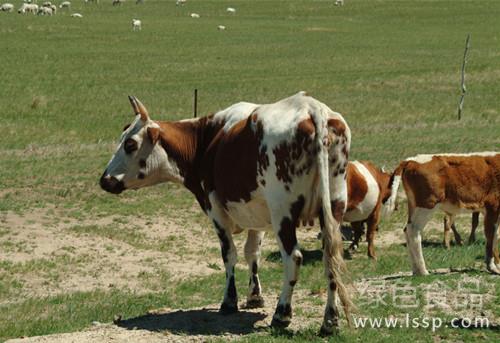
Cattle
Clinical symptoms:
Pica in cattle is characterized by cattle licking and eating foreign objects that have no nutritional value and should not be consumed, and it occurs mostly in winter and early spring. In the early stage of onset, there is indigestion, followed by abnormal taste perception and the appearance of pica symptoms; afterward, licking, swallowing and gnawing of bedding soil or forage contaminated with manure, licking of feed troughs and walls, and chewing of foreign objects such as hair, cinders, wall soil, bricks and rags occur. Affected cattle are initially more sensitive and easily startled, then become sluggish in response; their skin is dry with reduced elasticity, the coat is rough and lusterless, and they gradually become emaciated and anemic.
Pica is mostly chronic, with varying disease duration, and in some cases it even lasts 1—2 years. Although it is easy to diagnose from the clinical symptoms, determining the cause is relatively difficult. The cause should be identified through investigation and comprehensive analysis of multiple aspects such as feeding management and feed, so that effective prevention and treatment can be achieved.
Prevention and treatment methods:
To prevent this disease, first strengthen feeding management and provide a complete diet, with particular attention to the content and ratio of protein, vitamins and minerals; at the same time, supply sufficient drinking water, maintain reasonable ventilation and lighting in the barn, do a good job of environmental hygiene, regularly deworm internal and external parasites, and reduce the occurrence of stress reactions. Treatment should use medication according to the symptoms. For example, when cobalt deficiency is present, cobalt chloride can be given orally, 20—40 milligrams per time for cattle, once daily. In addition, feeding more green grass and green hay in winter and spring, supplementing high-vitamin feeds such as grain sprouts, malt and yeast, and ensuring an effective supply of tryptophan in the daily ration are all effective in preventing this disease.
It should be noted that the most common external parasite of cattle is cattle lice infestation, which is caused by Haematopinus eurysternus, Linognathus vituli and Damalinia bovis parasitizing the body surface of cattle. Various lice have host and site specificity. Cattle lice often parasitize the back, neck, shoulders and tail of cattle. Only when their numbers are very large do they spread over the whole body. Factors such as intensive rearing, poor sanitation of the barn and cattle body, high humidity, and the autumn and winter molt are favorable to the growth and reproduction of cattle lice and can promote their spread and infection. At onset, affected cattle appear restless, and feeding and resting are affected. Because of body itching, cattle often lick and suck the affected areas, which can cause hair-eating pica, and over time hairballs form in the stomach, affecting appetite and digestion, and leading to infection with other serious diseases. When infection with biting lice is severe, itching is intense, and affected cattle appear restless and rub themselves, affecting feeding and resting.
Treatment methods:
1. 0.5%—1% trichlorfon aqueous solution, sprayed onto the cattle body.
2. Sulfur powder sprinkled directly onto the cattle body.
3. Ivermectin 200 micrograms per kilogram of body weight, prepared as a 1% solution, injected subcutaneously.
Prevention: strengthen feeding management as well as environmental disinfection and cattle body cleaning. Conduct regular inspections and promptly isolate and treat cattle with lice infestation. Newly introduced cattle should first undergo quarantine and isolation inspection.