-
What is the difference between public health insecticides and general pesticides?
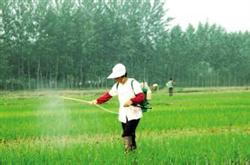
First, based on the climate characteristics and the pests' day-and-night activity patterns, choose a favorable time period for application. The best times to apply are from 9 to 10 a.m. and after 4 p.m. This is because from 9 to 10 a.m., the dew on the crop leaves has dried, and it is also the time when day-active pests are most active. Applying at this time will not, because of the dew...
-
Detailed Explanation of the Differences Between Types of Water-Flush Fertilizers and Their Correct Application Methods
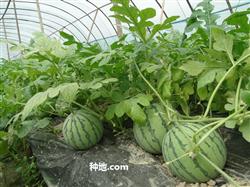
Should organic fertilizer be applied when growing watermelons now? What is the use of applying organic fertilizer? Growing watermelons that are sweet and refreshing is what every melon farmer strives for. Only by continuously improving watermelon quality can one win the market, be favored by the vast number of consumers, and achieve increased production and income for melon farmers. Watermelons have a short growth period and high yield...
-
What is the difference between compound fertilizer and single-element fertilizer?
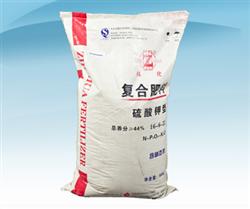
What is the difference between compound fertilizer and single-element fertilizer? Please explain that compound fertilizer refers to chemical fertilizer whose composition contains the three elements nitrogen, phosphorus and potassium, or any two of them. The advantages of compound fertilizer can be summarized in the following aspects: comprehensive nutrients and high content. The nutrients in each granule of compound fertilizer are evenly distributed, not only providing...
-
What is the difference between potassium sulfate and potassium chloride? How should they be applied?
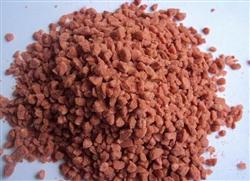
What is the difference between potassium sulfate and potassium chloride? How should they be applied? Please explain the application techniques for potassium sulfate and potassium chloride. Potassium sulfate: readily soluble in water, with a K2O content of 50%, it forms white or pale red crystals, has better physical properties than potassium chloride, is less hygroscopic, does not easily cake during storage, and is an acidic fertilizer. Potassium chloride: ...
-
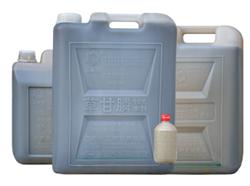
What is the difference between glyphosate and glufosinate? Explained clearly in one article
What is the difference between glyphosate and glufosinate? Compared with glyphosate, glufosinate acts faster, and it can also control some weeds that have developed resistance to glyphosate. Glufosinate is a phosphinic acid non-selective contact herbicide and a glutamine synthetase inhibitor with partial systemic activity. After application...
-
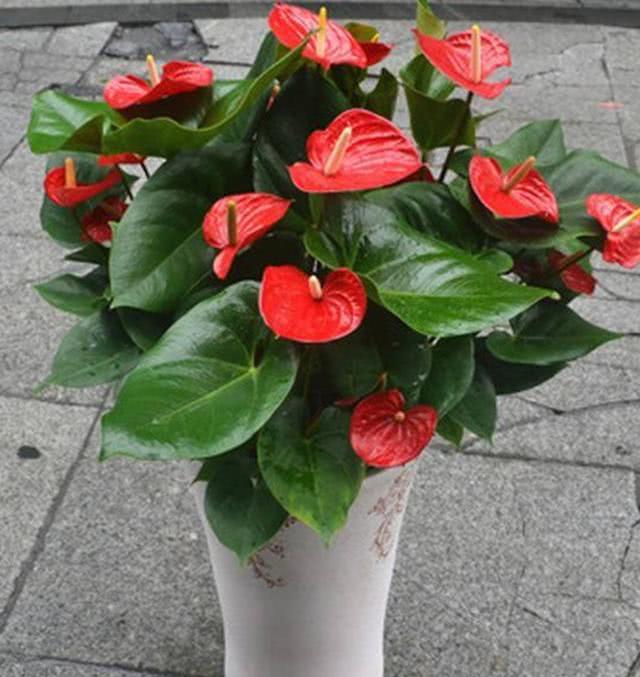
There is a big difference between organic and inorganic fertilizers for home gardening, and with a few simple steps you can make your own cake fertilizer water
For home gardening, if you want flowers and plants to grow vigorously, you cannot do without soil, water and fertilizer, light, and management in all aspects. Among these, reasonable fertilization is an indispensable and important part of plant growth. During the growing process, we always hear gardening friends introduce...
-
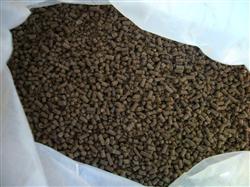
What is the difference between bio-organic fertilizer and microbial fertilizer?
What is the difference between bio-organic fertilizer and microbial fertilizer? Please explain. Bio-organic fertilizer contains functional bacteria and organic matter, can improve the soil, and promotes the release of nutrients that have been fixed by the soil; microbial fertilizer contains only functional bacteria, and uses the functional bacteria to improve the utilization of fertilizer fixed by the soil. The organic matter in bio-organic fertilizer itself...
-
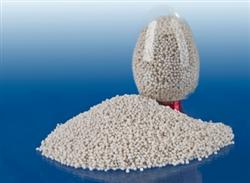
What is the difference between water-soluble flush fertilizer and compound fertilizer?
What is the difference between water-soluble flush fertilizer and compound fertilizer? Please explain that water-soluble flush fertilizer, also called water-flush fertilizer, is a fertilization method in which solid quick-acting chemical fertilizer is dissolved in water and applied with the water. From the perspective of fertilizer use, crops absorb nutrients mainly through their roots, and the root hair zone about 1 cm from the root tip is the most active area for nutrient absorption. ...
-
What is the difference between biofertilizer and chemical fertilizer? Explained clearly in one article
What is the difference between biofertilizer and chemical fertilizer? Please refer to the table below for the differences between biofertilizer and chemical fertilizer: Biofertilizer Chemical fertilizer A living fertilizer, strongly selective about temperature, humidity, sunlight, etc. Not alive, little affected by temperature, humidity, sunlight, etc. Provides nutrients gently and persistently, contains many nutrients needed by plants, ...
-
What is the difference between organic fertilizer and chemical fertilizer?
What is the difference between organic fertilizer and chemical fertilizer? Please explain in detail. There are 7 differences between organic fertilizer and chemical fertilizer, described in detail below for reference: 1. Organic fertilizer contains a large amount of organic matter and has a clear effect on improving soil and building fertility; chemical fertilizer can only provide inorganic nutrients to crops, and long-term application will cause...
条件筛选