There is a big difference between organic and inorganic fertilizers for home gardening, and with a few simple steps you can make your own cake fertilizer water
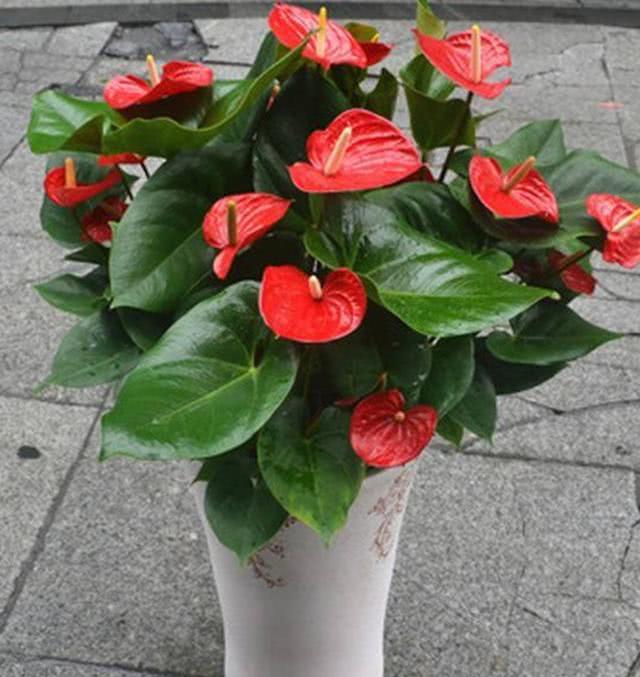
For home gardening, if you want flowers and plants to grow vigorously, you cannot do without soil, water and fertilizer, light, and management in all aspects. Among these, reasonable fertilization is an indispensable and important part of plant growth. During the growing process, we always hear gardening friends introduce all kinds of organic fertilizers and inorganic fertilizers. Where exactly is the difference? And how is the organic fertilizer cake fertilizer water, which gardening friends recommend and which all kinds of flowers and plants love, actually made? Below we will answer these questions one by one.
Differences between inorganic fertilizers and organic fertilizers: Inorganic fertilizer is fertilizer produced by chemical synthesis, also called chemical fertilizer, or chemical fertilizer for short. It contains a relatively high proportion of effective ingredients, including nitrogen, phosphorus, and potassium fertilizers, and has the characteristics of being easily soluble in water and easily absorbed by roots. Therefore, inorganic fertilizer is also called "quick-acting fertilizer." Inorganic fertilizer also has the advantages of being small in volume, light in weight, odorless, and easy to apply, but the fertilizer effect of inorganic fertilizer volatilizes quickly and does not last long, and long-term application easily causes soil compaction and pollutes the environment.
Organic fertilizer mainly comes from animals, plants, or household waste, and is formed after a certain period of fermentation and decomposition. Organic fertilizer is rich in organic matter and various nutrients. It can not only provide plants with a sufficient nutrient supply, but can also enhance microbial activity, promote material transformation, improve soil fertility, and prevent soil compaction. Organic fertilizer is equivalent to reusing waste, has low production cost, or basically costs no money. Organic fertilizer has a relatively long fertilizer effect and many benefits, but it has an odor, incomplete fermentation easily breeds insects, and the release of the fertilizer effect is slow. Many households growing flowers indoors give up organic fertilizer because of these shortcomings.
For home gardening, it is generally recommended to combine organic fertilizer and inorganic fertilizer, which can both quickly supplement flowers and plants with sufficient nutrients and effectively improve soil structure, reduce the cost of growing flowers; loose soil that is not compacted can also improve the utilization efficiency of inorganic fertilizer.
Because organic fertilizer comes from household waste, there are many organic fertilizers that can be made at home, such as: rice washing water, soybean water, vegetable and fruit peel enzymes, various crushed bone meal, eggshells, homemade various loose and fertile pine needle soil, leaf mold, composted chicken manure fertilizer, sheep manure fertilizer, and so on. The production methods are much the same. Below we introduce a homemade organic fertilizer that all kinds of flowers love very much: cake fertilizer water. Cake fertilizer is the residue left after oil is pressed from oilseed seeds. These cakes include: soybean cake, peanut cake, rapeseed cake, and so on. Cake fertilizer is an organic fertilizer containing more nitrogen, and it also contains phosphorus and potassium fertilizers and some trace elements. It is especially suitable for use alone during the seedling stage of flowers or the branch and leaf growth stage, and for use together with potassium dihydrogen phosphate during the flower bud differentiation stage of flowering plants.
Making cake fertilizer water: Find a plastic container that can be sealed, sesame residue or soybean residue left after pressing oil (you can buy it at an oil mill, very cheap), water, and a little white sugar (to promote fermentation). The ratio of cake fertilizer to water is 1:100. After adding the water and cake fertilizer, leave a certain amount of space at the top of the container. Do not fill it too full, to prevent the gas produced during fermentation from making the bottle burst. Put it in the sun to bake or place it in a corner of the home, and open the bottle cap every two or three days to release gas. It will ferment and decompose in about one month in summer and two months in winter. If you think the smell is too strong, you can put more orange peel in the bottle. After it is decomposed, the ratio for mixing with water to water flowers is 1:50, to prevent too much fertilizer from burning the roots. If you think fertilizing indoors has an odor, you can move the flowers outside the windowsill, and move them back indoors after the odor has dispersed.
Cake fertilizer water