-

Diagnostic Methods for Diseases of Peafowl in Autumn and Winter
In the crisp autumn air, this is a season of harvest, but for peafowl breeding it is a season of many diseases and disasters, just like winter, this is a peak period for disease outbreaks. Diseases should be detected early and resolved early, and of course, if the occurrence of diseases can be effectively prevented, that would be
-
Diagnostic Techniques and Treatment Methods for Gosling Plague
Gosling plague is a relatively common and highly contagious infectious disease among goslings. It is a fairly acute infectious disease, transmitted through the droppings of sick geese, as well as the water they have drunk, the feed they have eaten, and the sites they have visited. Below, the editor will give you a detailed introduction to gosling
-
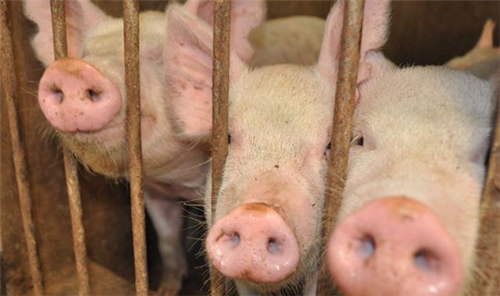
How is swine mycoplasmal pneumonia diagnosed? Introduction to common diagnostic methods
How to treat pig diseases: What are the methods for diagnosing swine mycoplasmal pneumonia?
-
Detailed Explanation of Diagnostic Methods and Prevention and Control Measures for Chicken Coccidiosis
Diagnosis and Prevention and Control Measures for Chicken Coccidiosis
-
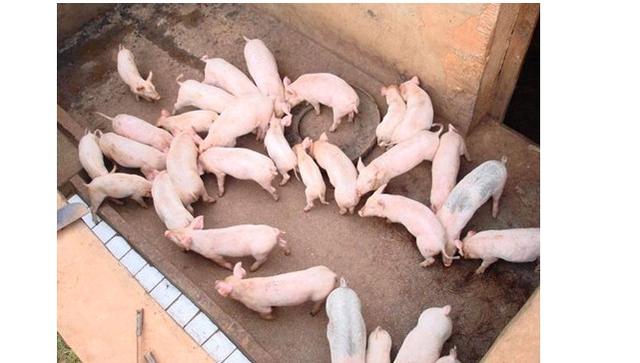
Causes of Piglet Diarrhea and Diagnostic and Differential Diagnosis Methods, Worth Saving for Pig Farmers
Causes of piglet diarrhea, and how to diagnose and differentiate it, worth saving for pig farmers!
-
Detailed Explanation of Canine Disease Diagnostic Techniques: Introduction to Palpation Methods
This involves using fingers, the palm, or the back of the hand to touch the corresponding parts of the dog's body to determine whether there is any lesion, as well as the location, size, shape, hardness, humidity, temperature, and sensitivity of the lesion. In addition, diagnostic instruments (such as various probes) can also be used for palpation. Palpation with instruments requires certain equipment, medical knowledge, and technical skill, which is generally difficult for ordinary households to manage; therefore, we focus on introducing the method of using the hands to touch the dog's body to examine and discover abnormal signs. Palpation is usually based on inspection, with key touching of suspicious areas and organs. Palpation can be divided into superficial palpation
-
Diagnostic Methods and Treatment Measures for Canine Urolithiasis: A Detailed Explanation
1 Clinical Symptoms The symptoms of urolithiasis vary depending on the location of the stones. (1) Renal pelvic stones: The affected dog presents with weight loss, reduced food intake, poor spirits, unwillingness to move, and basically normal urination, sometimes with hematuria. A few dogs may show symptoms such as pain in the lower lumbar region and arching of the back. However, clinical symptoms are usually not obvious. (2) Bladder stones: Can cause lower urinary tract inflammation in the affected dog, presenting with frequent urination, urgency to urinate, hematuria, and painful dribbling of urine. (3) Urethral stones: In addition to the symptoms of bladder stones
-
Diagnostic Methods and Prevention Principles for Pig Poisoning
Physiological disorders caused by poisoning can hinder pig growth and development or even cause death, resulting in significant economic losses. Understanding the diagnostic and prevention principles for pig poisoning helps reduce the occurrence of pig poisoning and the losses caused by it. (1) Diagnosis of pig poisoning 1. History investigation. Understand the types of feed, storage and processing conditions, and analyze whether the feed may be moldy or spoiled; investigate whether the pigs have come into contact with or accidentally ingested toxic plants, rat poison, pesticides, chemical fertilizers, factory wastewater and other toxic substances, and whether recently
-
What are the diagnostic methods for acute gastric dilatation in dogs?
For acute gastric dilatation in dogs caused by Clostridium perfringens, gastrotomy was performed, the organs were repositioned, and antibiotics were given by intravenous drip after surgery; 2 cases were cured. Affected dogs not treated by this method are prone to death. 1. Clinical symptoms The affected dog's abdomen is abnormally distended, with stiff limbs; generalized muscle tremors, teeth grinding, salivation, pale visible mucous membranes, rapid breathing, irregular heart rhythm, lying quietly, and turning the head to look at the abdomen. 2. Necropsy changes Two dead dogs were dissected, and the findings were abnormally distended abdomen, stiff limbs, everted anus, and fluid accumulation in the thoracic and abdominal cavities. The heart was dilated, and the myocardium
-
Diagnostic Methods and Prevention and Control Measures for Gout in Chickens
Gout in chickens is a uric acidemia caused by a disorder of protein metabolism. I. Analysis of Causes. 1. Nutritional imbalance: When the content of protein and nucleoprotein in the feed is too high, the sharp increase of uric acid in the body exceeds the excretion limit, and thus urate (mainly sodium urate) is deposited on the surface of joints and internal organs and in the subcutaneous connective tissue, causing a series of pathological changes. This disease is especially more likely to occur in flocks with an imbalanced calcium-to-phosphorus ratio in the feed and a deficiency of vitamins A and D.
条件筛选