-
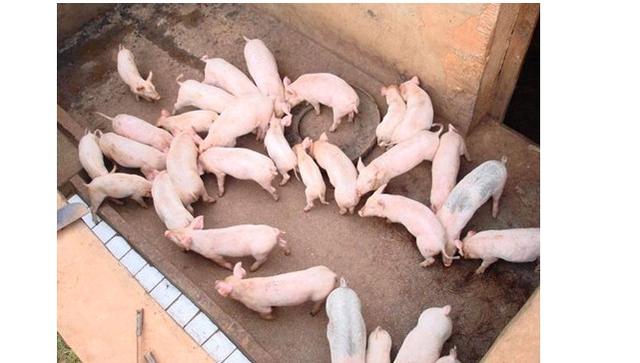
Causes of Piglet Diarrhea and Diagnostic and Differential Diagnosis Methods, Worth Saving for Pig Farmers
Causes of piglet diarrhea, and how to diagnose and differentiate it, worth saving for pig farmers!
-

Detailed Explanation of Canine Disease Diagnostic Techniques: Introduction to Palpation Methods
This involves using fingers, the palm, or the back of the hand to touch the corresponding parts of the dog's body to determine whether there is any lesion, as well as the location, size, shape, hardness, humidity, temperature, and sensitivity of the lesion. In addition, diagnostic instruments (such as various probes) can also be used for palpation. Palpation with instruments requires certain equipment, medical knowledge, and technical skill, which is generally difficult for ordinary households to manage; therefore, we focus on introducing the method of using the hands to touch the dog's body to examine and discover abnormal signs. Palpation is usually based on inspection, with key touching of suspicious areas and organs. Palpation can be divided into superficial palpation
-
Research on Differential Diagnostic Methods for Porcine Parvovirus
Porcine parvovirus is one of the most common pathogens causing reproductive disorders in pig herds worldwide. Since the disease was first reported in the United Kingdom in 1967, it has now become widespread throughout the world. China began researching this disease in the early 1980s, and the China Institute of Veterinary Drug Control was the first in the country to isolate the virus in 1.982. Relevant statistics show that porcine parvovirus disease is already widespread and epidemic in China. The economic losses caused by porcine parvovirus infection are also enormous. According to reports, the annual reproductive losses caused by this disease in the United States amount to 4.5 million US dollars.
-
Diagnostic Methods and Technical Key Points for Newcastle Disease in Chickens
Since Newcastle disease (ND) was recognized in 1926, many countries have regarded ND as an endemic disease. Except for a few countries that produce poultry at a commercial level, all countries carry out preventive immunization. One of the most characteristic properties of different strains of chicken Newcastle disease virus (NDV) is that their pathogenicity to chickens varies greatly. Based on the clinical symptoms caused in infected chickens, NDV strains can be divided into 5 groups or pathotypes, which are: the viscerotropic velogenic type, characterized by high pathogenicity, with intestinal hemorrhagic lesions commonly seen;
-
Detailed Explanation of Diagnostic Methods and Prevention and Control Measures for Chicken Coccidiosis
Diagnosis and Prevention and Control Measures for Chicken Coccidiosis
-
Diagnostic Methods and Treatment Measures for Canine Urolithiasis: A Detailed Explanation
1 Clinical Symptoms The symptoms of urolithiasis vary depending on the location of the stones. (1) Renal pelvic stones: The affected dog presents with weight loss, reduced food intake, poor spirits, unwillingness to move, and basically normal urination, sometimes with hematuria. A few dogs may show symptoms such as pain in the lower lumbar region and arching of the back. However, clinical symptoms are usually not obvious. (2) Bladder stones: Can cause lower urinary tract inflammation in the affected dog, presenting with frequent urination, urgency to urinate, hematuria, and painful dribbling of urine. (3) Urethral stones: In addition to the symptoms of bladder stones
-
What are the diagnostic methods for acute gastric dilatation in dogs?
For acute gastric dilatation in dogs caused by Clostridium perfringens, gastrotomy was performed, the organs were repositioned, and antibiotics were given by intravenous drip after surgery; 2 cases were cured. Affected dogs not treated by this method are prone to death. 1. Clinical symptoms The affected dog's abdomen is abnormally distended, with stiff limbs; generalized muscle tremors, teeth grinding, salivation, pale visible mucous membranes, rapid breathing, irregular heart rhythm, lying quietly, and turning the head to look at the abdomen. 2. Necropsy changes Two dead dogs were dissected, and the findings were abnormally distended abdomen, stiff limbs, everted anus, and fluid accumulation in the thoracic and abdominal cavities. The heart was dilated, and the myocardium
-
Diagnostic Methods and Prevention and Control Measures for Gout in Chickens
Gout in chickens is a uric acidemia caused by a disorder of protein metabolism. I. Analysis of Causes. 1. Nutritional imbalance: When the content of protein and nucleoprotein in the feed is too high, the sharp increase of uric acid in the body exceeds the excretion limit, and thus urate (mainly sodium urate) is deposited on the surface of joints and internal organs and in the subcutaneous connective tissue, causing a series of pathological changes. This disease is especially more likely to occur in flocks with an imbalanced calcium-to-phosphorus ratio in the feed and a deficiency of vitamins A and D.
-
B-Mode Ultrasound Diagnostic Methods and Applications in Canine Pregnancy
The application of ultrasound diagnostic technology in the veterinary field began in the mid-1960s, initially using A-mode and D-mode ultrasound. With the development of electronic technology and the electronics industry, it advanced to M-mode and B-mode by the mid-1970s. The B-mode ultrasound diagnostic apparatus, also known as B-ultrasound, uses brightness modulation, reflecting signal intensity through the brightness or darkness of light spots. Because B-ultrasound can perform real-time imaging of the body, display two-dimensional images of the examined area, and clearly show the dynamic changes, morphology and adjacent relationships of internal organs and tissues, as well as the internal echoes and structures of soft tissues, the distribution of blood vessels and other ducts, B-ultrasound is also called a real-time ultrasonic tomographic imaging diagnostic apparatus. Furthermore, because B-ultrasound causes no damage to the body, allows treatment of the examined area under its guidance, and has a wide range of applications, it gained the attention and widespread use of the medical community as soon as it was introduced, and has now become one of the four major medical imaging diagnostic methods. In veterinary and livestock production, B-ultrasound has likewise been widely applied; at present, whether abroad or domestically, whether in basic veterinary theoretical research, livestock production practice, or clinical veterinary application, B-ultrasound plays a very important role, and has been hailed as a revolutionary change in veterinary diagnostic technology, being applied in fields such as pregnancy monitoring, superovulation, disease diagnosis, and selective breeding and fattening monitoring. At present, one of the main uses of B-ultrasound is monitoring the uterus and fetus during animal pregnancy. Combining the author's experience, this article briefly describes the main applications of B-ultrasound in canine pregnancy monitoring.
-
Detailed Explanation of Diagnostic Methods and Prevention and Control Measures for Swine Dysentery
Swine dysentery, also known as bloody dysentery, is a serious intestinal infectious disease caused by Brachyspira hyodysenteriae. The main clinical symptom is severe mucohemorrhagic diarrhea; the acute form is dominated by hemorrhagic diarrhea, while the subacute and chronic forms are dominated by mucoid diarrhea. The pathological features on necropsy are catarrhal, hemorrhagic and necrotic inflammation of the large intestinal mucosa. Key points for diagnosis 1. Disease characteristics Under natural conditions, only pigs are affected; pigs of all ages and breeds can be infected, but it mainly affects piglets aged 2-3 months; the morbidity and mortality rates of piglets
条件筛选