-

Why is Nostoc flagelliforme banned from sale? Latest policy explained
Nostoc flagelliforme, also known as di mao, zhan mao cai, di mao cai and other names, is a type of algae in the order Nostocales, phylum Cyanobacteria. It is named for its black color and slender shape resembling human hair. Since the Han Dynasty, the powerful and wealthy often offered Nostoc flagelliforme as tribute for emperors to eat. It has the effects of clearing heat and detoxifying, soothing the lungs and resolving phlegm
-
How much is the market price of peaches per jin? Read this article to understand the difference from mao tao
The peach is one of the better-tasting fruits among peaches, and is deeply loved by food lovers for its high water content, sweet juice, large size and easy storage, and most importantly it also has swelling-reducing and diuretic effects, so how much is the market price of peaches per jin? What is the difference from mao tao?
-
How much does authentic Maojian cost per jin? A detailed explanation of its differences from Maofeng
Maojian is a type of Chinese tea. Its appearance is fine, round, glossy and straight, and its taste is fresh and brisk, mellow and fragrant with a sweet aftertaste. It is a product with a fresh aroma. So what is the current price per jin of authentic Maojian? What are the differences between it and the similar-looking Maofeng? 1.
-
-
-
Distance education in Fengmao Town helps farmers get on the road to prosperity
Distance education in Fengmao Town helps the people prosper
-
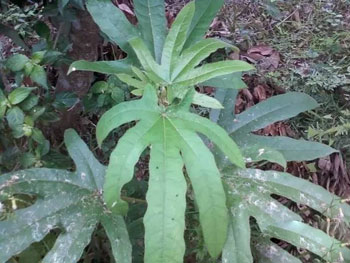
Dabu Hakka people sell wild mountain soup ingredients such as Wuzhimaotao
Dabu hides mountain wild soup ingredients, Hakka sell Wuzhimaotao
-
Characteristics of the Fuding Damao Tea Cultivar and an Introduction to the Tea Types It Is Suitable For Processing
It belongs to the clonal propagation line. It is a national-level improved cultivar. It originates from Fuding County, Fujian Province. It has a cultivation history of one hundred years to date. It has been introduced and cultivated in Zhejiang, Jiangsu, Jiangxi, Hubei, Anhui and other provinces. It is one of the high-yield, high-quality cultivars suitable for growing in low-hill red soil. Morphological characteristics: small tree type, large-leaf, early-budding cultivar. The plant is relatively tall and upright, with plump buds and leaves covered in abundant silvery-white downy hairs, and strong tenderness retention. Spring buds sprout in mid-March, and the peak period of one bud and three leaves is in early April, with a hundred-bud weight of 104 grams. It can be processed into famous teas of different appearances. It is not only a premium raw material for processing "
-
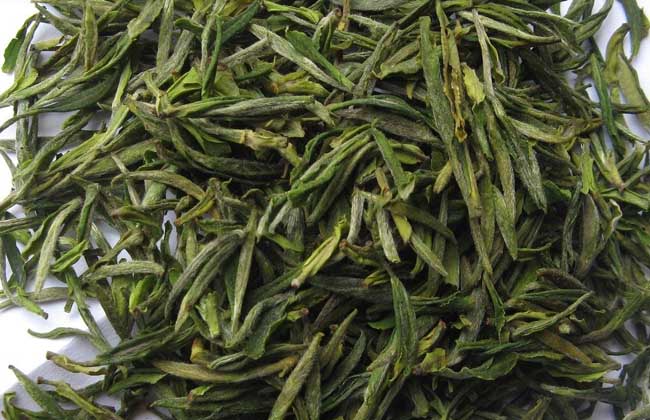
What is the difference between Maofeng and Maojian? Learn to tell the two teas apart
The difference between Maofeng and Maojian
-
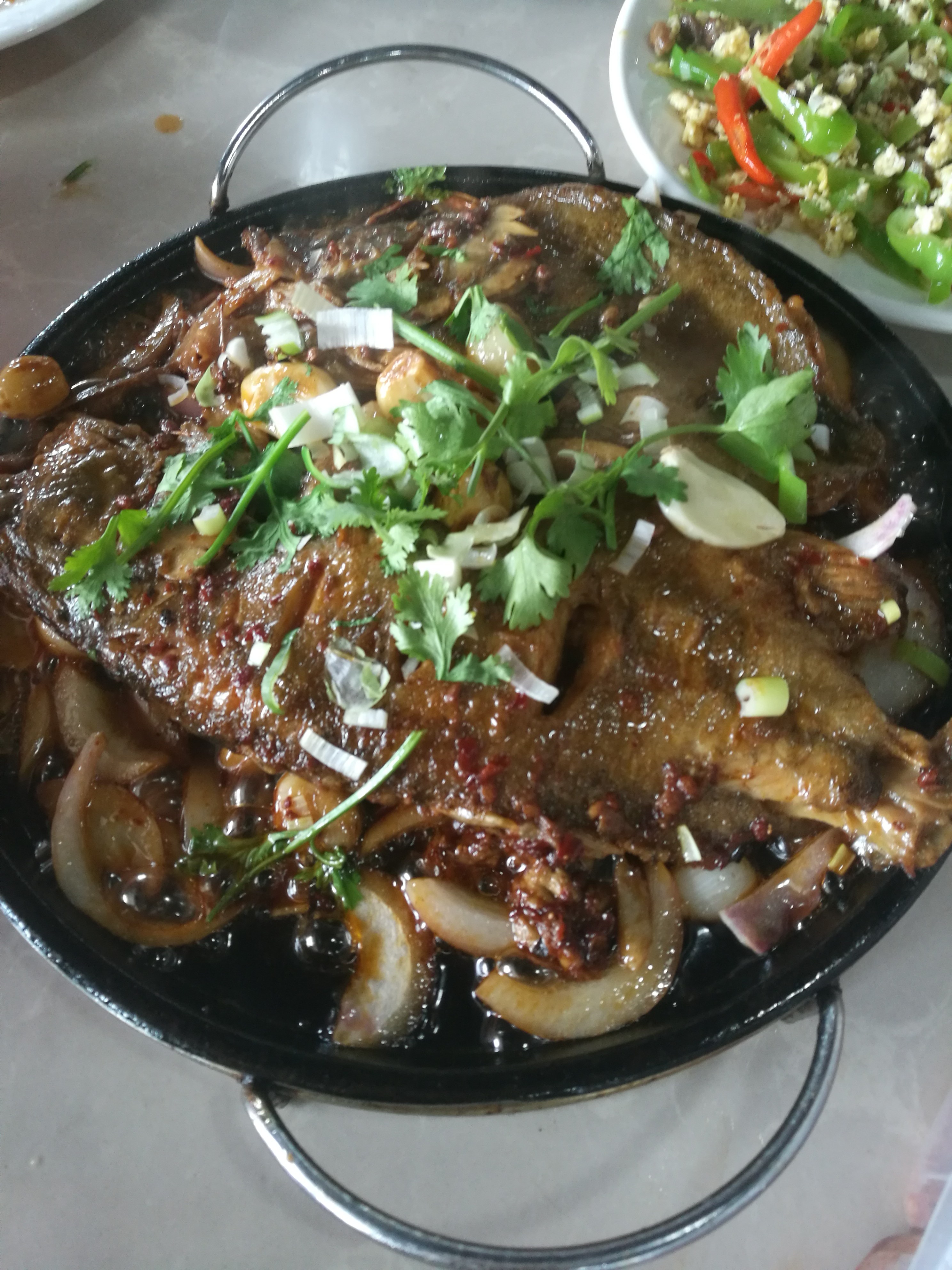
How many of these distinctive foods from Xiangcheng in Linyi have you tried: stinky mandarin fish, maodan (balut), and silkworm cocoons?
1. Stinky mandarin fish: although the fish smells a bit stinky, the meat is very tender and the taste is great! 2. Shaobing (baked flatbread): a leavened flatbread baked over charcoal, and as soon as it arrives you smell a very rich aroma. The bread is soft and tasty, with slightly crisp edges. 3. Silkworm...
条件筛选