-
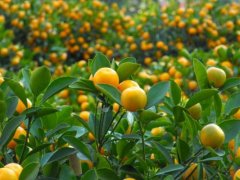
Nutritional Value, Characteristics and Culinary Uses of the New Kumquat Variety 'Changshou Jingan'
Changshou Jingan (Fortunella obovata 'Changshou'), a variety of the citrus fruit group, has fairly high nutritional value, and there are also quite a few propagation methods for kumquats. So do you know what its nutritional benefits are? Let's take a look together! Changshou Jingan soothes the throat and promotes saliva production Changshou Jingan fruit
-

Bergamot Benefits, Culinary Uses, and Essential Oil Pairing Guide
Bergamot is a type of orange-citrus fruit that gets its name because its appearance resembles the palm of Buddha's hand, so it is named accordingly. The cultivation method for bergamot is relatively easy. In the early days in Hakka villages, the older generation would plant a bergamot pomelo in front of their doors, and when the fruit ripened,
-

When to Sow Basil? A Detailed Guide to the Best Planting Time
Basil is an aromatic plant used both as medicine and food, also known as nine-story pagoda, jin bu huan, St. Joseph's wort, sweet basil, and lan xiang. With a little trimming it can also be grown in pots, so when should it be sown? How do you grow it? When to sow basil? Basil is generally sown in mid-to-late April
-
How to Grow Basil: Detailed Guide to Planting Methods and Daily Care Essentials
Basil is a medicinal and culinary dual-purpose aromatic plant, with a taste a bit like fennel. Its leaves are emerald green, its flowers are brightly colored, and its fragrance fills the air; it is actually a plant that can be grown as a potted ornamental. So how do you grow basil? How to grow basil? 1. Site selection and soil preparation. Basil is a deep-rooted plant, so it is best to choose well-drained, fertile, loose sandy loam. Before planting, apply sufficient base fertilizer to provide enough nutrients for basil's growth and speed it up. After applying the base fertilizer, rake the soil fine and level it, then make beds according to the terrain.
-
A Detailed Explanation of Amomum tsaoko Planting Techniques and Management Key Points
Amomum tsaoko is a plant used both as medicine and as food. It can be used as a spice for seasoning and also as medicine to treat illness. Its planting volume is also quite considerable. What are its planting methods? Let us briefly understand them. Amomum tsaoko planting techniques 1. Site selection and land preparation: near the planting site,
-
Tsaoko: Easy to Grow and High-Yielding, a Detailed Guide to the Cultivation Techniques of This Dual-Use Medicinal and Culinary Herb
Tsaoko is a dual-use medicinal and culinary Chinese medicinal herb; its taste is pungent and its nature is warm. It has the effects of drying dampness and strengthening the spleen, and of resolving phlegm and treating malaria, and it is also an important cooking spice. Domestically, besides relying on harvesting wild resources, it is currently still imported from abroad. Tsaoko is mainly distributed in Vietnam and in parts of Guangxi,
-
Can Bell Peppers Be Eaten Raw? Types of Culinary Uses and Pest and Disease Control
You may not be familiar with the name sweet pepper; it is also called bell pepper, tomato pepper, or sweet pepper, and in Taiwanese it is also called big tube, and it is a variety of chili pepper in the genus Capsicum of the nightshade family, belonging to the "non-artificially introduced and cultivated" type of plant. Sweet peppers have a very high vitamin content and can act as an antioxidant
-
What Plant Is Rockweed? A Detailed Guide to Its Medicinal Benefits, Culinary Uses and Contraindications
Rockweed, as the name suggests, gets its name because it looks like deer antlers. So what plant is rockweed? What are the medicinal values of rockweed? What are the benefits, effects and dietary dos and don'ts of rockweed? What are the culinary uses of rockweed? Let me tell you
-
Planting Time, Planting Methods and Culinary Uses of the Mouse Melon, the Color-Changing Melon
Mouse melon, also known as golden mango melon, colorful melon, mouse melon, and color-changing melon, is a very novel melon vegetable. As it grows, the color of the fruit can change from green to orange, red, and so on. From a distance it resembles a mouse, which is why it is also called the color-changing mouse melon. It can be planted in courtyards
-
Safflower (Carthamus tinctorius) Benefits and Effects, Benefits of Drinking It as a Tea, Harm to Pregnant Women, and Culinary Uses
Safflower aliases: Honglanhua, Cihonghua; a plant of the Asteraceae family, genus Carthamus; the dried tubular florets are orange-red; mainly produced in Henan, Hunan, Sichuan, Xinjiang, Tibet and other places. So what are the benefits and effects of safflower? What are the benefits of drinking it as a tea? How do you eat it for the best results?
条件筛选