-

What to do about coughing and wheezing in weaned piglets? Experience sharing on traditional Chinese medicine prevention and treatment in pig farming
Coughing and wheezing in piglets from 10 days after weaning to 30 kg body weight is usually associated in Western veterinary medicine with porcine postweaning multisystemic wasting syndrome (i.e. circovirus) infection, with an incidence rate ranging from 20 percent to 45 percent; the mortality rate of affected piglets is generally 30 percent, and can reach as high as 80 percent, with body temperature of 40.5°C to 41.5°C. Piglets show rough and disheveled coat, affected pigs have diarrhea combined with respiratory symptoms and neurological symptoms, severe emaciation, and death from exhaustion. This disease poses a very great threat to the pig farming industry. It is most severe in the three seasons of spring, autumn and winter. In traditional Chinese veterinary medicine theory, this disease belongs to warm disease symptoms; the cause is external contraction of wind pathogen invading the lung, and cold, summerheat, dryness, warmth and the like can all combine with it. The main site of the lesions is in the lung. In traditional Chinese veterinary medicine theory, lung qi governs respiration and opens into the nose, externally corresponding to the skin and hair, and governs the opening and closing of the interstices. When lung qi is sufficient, the opening and closing of the skin and interstices is normal, and external pathogens are not easily able to invade; otherwise the pig body is plagued by disease. Using Qingfei Zhike San combined with Maxing Shigan San with modifications, this formula can pungent-cool diffuse and vent, clear the lung and calm wheezing, clear and purge lung heat, and resolve phlegm and stop coughing. Add it to piglet feed as a powder at 0.6 percent, continuously for 2 to 3 weeks. In Western veterinary medicine theory, this formula is believed to have fairly strong antibacterial and inhibitory effects on Actinomyces pleuris, Staphylococcus aureus and Pneumococcus; this formula also has effects such as anti-influenza virus action, and also has obvious antipyretic and anti-inflammatory effects, and can improve the immune function within the animal body.
-
The Best Time for Newborn Calves to Nurse and How to Handle Choking and Coughing
Abstract Generally, the best nursing period for newborn calves is from right after birth to around 2.5 months after birth. If a newborn calf chokes while nursing, the coughing will not last very long; if it continues like this for 2-3 days, an anti-inflammatory injection is needed to prevent lung
-

What to do when nursery pigs have pale skin, are emaciated and coughing? One solution to the hard-to-raise problem
Nursery pigs with pale skin, emaciation and coughing: one solution to crack the hard-to-raise problem of nursery pigs!
-
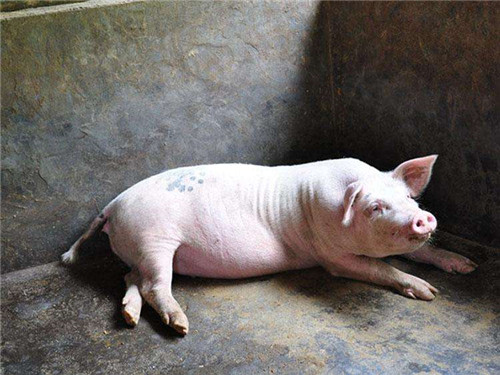
What medicine should be used for coughing, wheezing and fever in pigs? Try these classic combination protocols
What should be done when pigs are coughing, wheezing and also running a fever? Try these classic drug combinations!
-
Causes and treatment of coughing and wheezing in pigs, what pig farmers must know in spring
Spring coughing and wheezing in pigs: causes and treatment methods every pig farmer must know
-
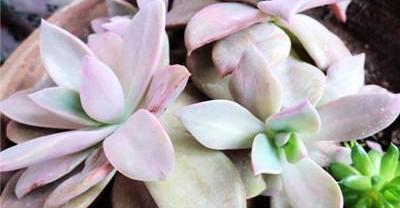
How to deal with colds and coughing in chicken flocks in winter?
The traditional Chinese medicine product Maxing Shigan Granules has a powerful four-fold pharmacological action: clearing heat, dispersing lung qi, quickly resolving phlegm, and relieving cough and asthma. It targets respiratory diseases in chicken flocks in winter, such as colds and cough...
-
Coughing up a large amount of parasites, what's going on?
Impressive! Coughing up a large amount of parasites!!!
-
What is going on with geese pulling white droppings, shaking their heads, coughing and having difficulty breathing?
1. Clinical symptoms: Sick geese are listless, with ruffled feathers, unwilling to move, standing apart and dazed, with reduced appetite or even complete loss of appetite, pulling white or green watery droppings, showing respiratory symptoms such as head shaking and sneezing, and neurological symptoms such as twisted necks, circling and head tilting appearing in the flock. 2. Treatment: 1. Emergency injection of avian influenza-paramyxovirus bivalent yolk antibody, 2 ml per bird. 2. Zhongmu Hudu Kuaike (100 g), two bottles per day, once in the morning and once in the evening, concentrated in drinking water, for 3 consecutive days. 3. Changganqing (100 g
-
What are the causes and treatment methods for coughing in dogs
When autumn and winter alternate, the temperature changes greatly, and the temperature difference between day and night is large. At this time, many canine infectious diseases are particularly likely to be triggered, and canine infectious tracheobronchitis also enters a high-incidence period at this time. Canine infectious tracheobronchitis, or kennel cough, is an infectious respiratory disease of dogs caused by multiple pathogens, and it can affect dogs of any age. As long as one dog is affected, other dogs in contact with it will also immediately show this symptom. The course of this disease is more than one week, and a small number of cases can last as long as several months. Most dogs can gradually recover as their body resistance
-
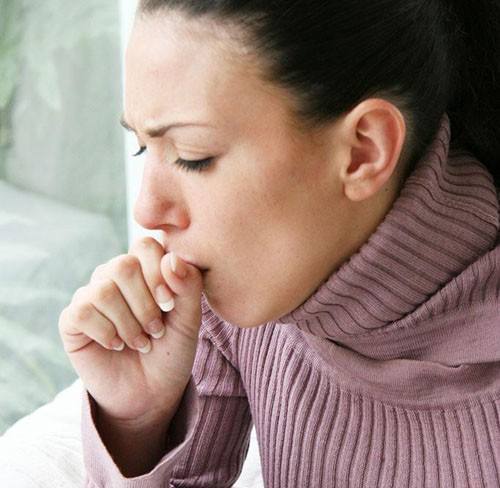
Lots of dust in autumn and always coughing? Keep these 5 plants at home to purify the air and protect your lungs
Speaking of today's weather, we also know that with the development of the times, the air is getting worse and worse, especially in autumn, when there is little sun, it is very easy to get respiratory infections because of the bad air, causing...
条件筛选