What medicine should be used for coughing, wheezing and fever in pigs? Try these classic combination protocols
What should be done when pigs are coughing, wheezing and also running a fever? Try these classic drug combinations!
Haemophilus parasuis
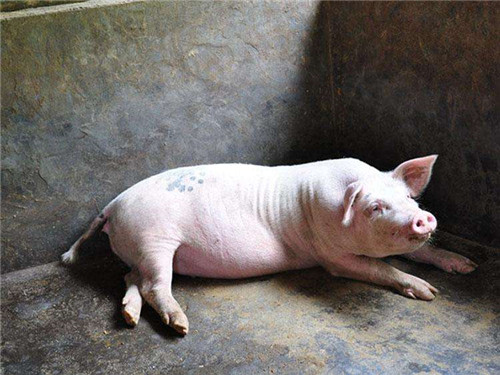
Haemophilus parasuis is a commensal bacterium in the pig's body. When the herd's resistance declines due to disease or environmental stress, this bacterium seizes the opportunity and causes disease in the herd. The common clinical symptoms are difficulty breathing, fever, progressive emaciation and rough, disordered coat hair.
On necropsy, increased fluid accumulation can be seen in the thoracic and abdominal cavities, the heart is covered with fibrinous exudate, and in severe cases the organs are wrapped in fibrinous exudate. Affected pigs may also show symptoms such as swollen joints and encephalitis.
Prevention:
1. Strengthening the prevention and control of immunosuppressive diseases such as PRRS, circovirus and mycoplasma is crucial to the prevention and control of this disease;
2. Reducing stress in the herd, controlling temperature differences, raising the temperature inside the barn, and reducing the range of temperature fluctuations all help with the prevention and control of this disease;
3. Medication: drugs currently sensitive to Haemophilus parasuis include but are not limited to tilmicosin, florfenicol + doxycycline, enrofloxacin + ceftiofur sodium, etc.
Treatment:
When Haemophilus parasuis causes disease in a herd, in addition to the effect of the bacterium itself, there are also the large amounts of endotoxin it produces, so thetreatmentof this disease has poor results and a relatively low cure rate.
1. Individual pigs: intramuscular injection of astragalus polysaccharide injection + Yinhuang injection + ceftiofur sodium
2. Whole herd: add Yinhuang soluble powder / Shuanghuanglian soluble powder + tilmicosin / florfenicol + doxycycline to the feed.
Infectious pleuropneumonia
Infectious pleuropneumonia is susceptible from nursery pigs to finishing pigs, and the disease is more likely to occur especially when ventilation in the pig barn is poor and stocking density is high. Clinically, high fever, cyanosis of the skin at the extremities, and abdominal breathing can be seen, and after death bloody white foam flows from the nose. On necropsy, a small amount of fibrinous exudate can be seen in the thoracic cavity, and the lungs show severe congestion and blood stasis.
Prevention:
1. Reduce herd density and ensure air quality and temperature inside the barn;
2. Prevention should be strengthened when pigs are moved between groups and when influenza occurs;
3. Medication: drugs currently sensitive to infectious pleuropneumonia include but are not limited to florfenicol, tilmicosin, tylosin + sulfadimidine, enrofloxacin, cephalosporins, etc.
Treatment:
Pay attention to improving air quality in the pig barn. For severely affected pigs, thetreatmentshould first relieve pulmonary edema and reduce inflammation, and then antibiotics should be used against the bacteria.
1. Individual pigs: intramuscular injection of furosemide + dexamethasone, Yinhuang injection and florfenicol injection;
2. Herd-level pigs: Yinhuang soluble powder / florfenicol powder + tilmicosin / tylosin + Maxing Shigan powder for emergency prevention and control.