-
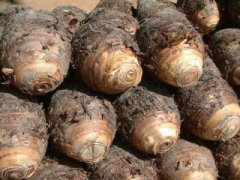
How Many Days Is the Taro Growing Period? A Detailed Explanation of Harvest Time and the Number of Taro Corms per Plant
Taro is a root tuber plant, and it may well be the root tuber plant with the longest growing period. From planting to the start of harvest, taro requires at least 200 days, and some are left for more than 280 days before harvesting. It is generally about 7 months, so when exactly is its harvest time
-
How Many Days Is the Taro Growing Period? A Detailed Explanation of Harvest Time and the Number of Corms per Plant
Taro is a root tuber plant, and it may be the root tuber plant with the longest growing period. Taro needs at least 200 days from planting to the start of harvest, and some are left for more than 280 days before harvesting. It is generally about 7 months, so when is its harvest time?
-
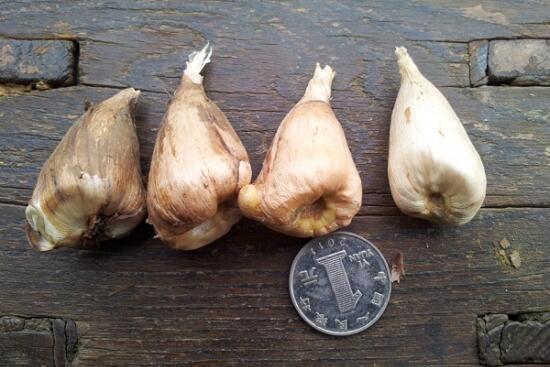
When to plant freesia corms? Methods for fast sprouting with autumn planting
Freesia has extremely strong benefits: it is not only beautiful but also can be used medicinally to treat illnesses, so it is deeply loved by flower enthusiasts. In daily life, many flower lovers buy freesia as ready-made potted plants, while expert gardeners like to plant them by hand, so they buy back corms. So when should freesia be planted?
-
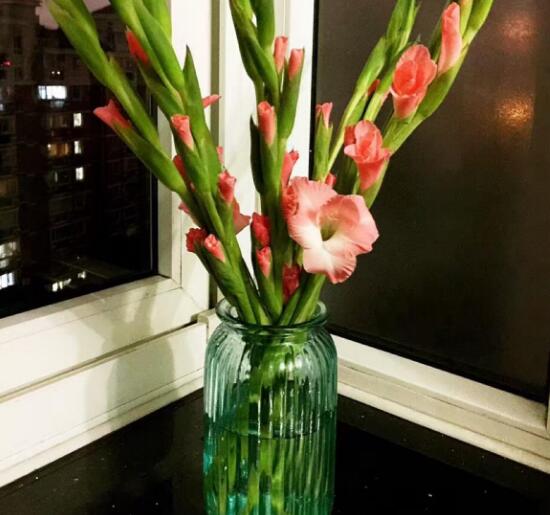
Can gladiolus corms be grown in water? For potted water culture, change the water often and give plenty of sunlight
Gladiolus is a common potted flowering plant in daily life. Earlier I introduced the growing methods and precautions for gladiolus; now let's look at how to grow potted gladiolus in water. The gladiolus people see most often is soil-grown, so can gladiolus corms be grown in water? Of course they can. Gladiolus can be grown not only in soil but also in water.
-
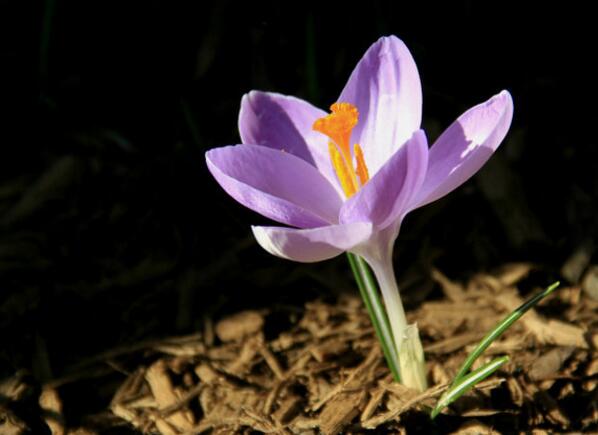
How Does Saffron Crocus Reproduce? A Detailed Guide to the Two Methods: Division of Corms and Sowing Seeds
Saffron crocus is a plant with outstanding ornamental value. As for how saffron crocus reproduces, it can roughly be divided into two methods: division of corms and sowing seeds. The survival rates of both methods are relatively high. As for what the reproduction methods of saffron crocus specifically involve, let us walk you through them below.
-
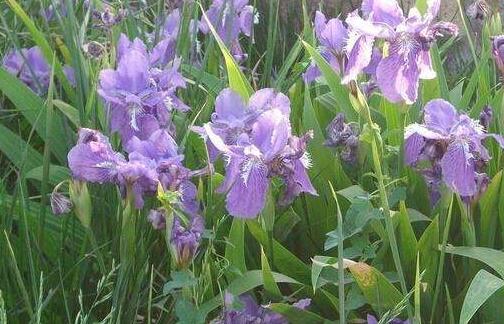
How to Propagate Gladiolus? Division of Corms, Corm Cutting, and Tissue Culture All Work
Gladiolus is a very popular cut flower. As long as the cultivation methods for gladiolus are appropriate, it grows very quickly. Generally, after 1 year, one mother corm can produce many small corms, and these small corms can be used for propagation. So how do you propagate gladiolus? Let me tell you three commonly used propagation methods for gladiolus.
-
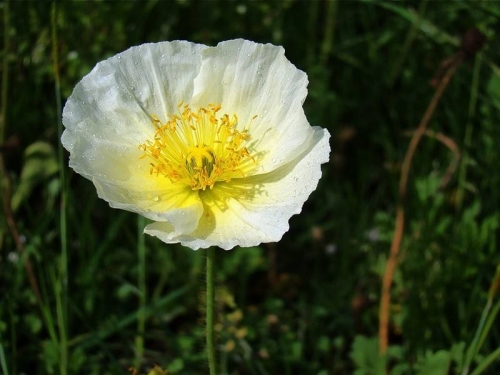
How to plant Ranunculus (Persian Buttercup) corms? A detailed explanation of the key planting techniques
Time To extend the growing period, we can choose to sow in September, or a little later in October. Temperature The optimal suitable temperature for corm germination is 10°C to 15°C. Seed box For ease of management, Ranunculus corms are often sown in a seed box
-
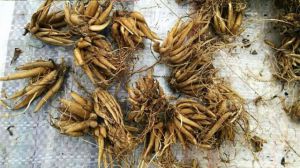
How Many Days Does It Take for Ranunculus Corms to Sprout? A Detailed Explanation of Sprouting Time
Generally, ranunculus corms take about 10-20 days to sprout. However, if the care conditions are not ideal, they may sprout later or even fail to sprout at all. To make them sprout quickly, it is best to place them in a relatively cool spot at 5-15°C and keep the soil moist.
-
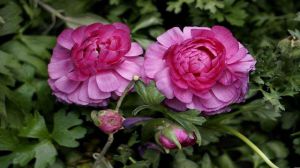
How to Plant Ranunculus Corms? A Detailed Guide to the Planting Method
It is better to plant ranunculus corms in October to November. You can use a flower pot with thinner walls and larger holes in the bottom. The growing medium can be mixed yourself. First, carry out the sprouting treatment. After that, put sand in the container and bury the corms in it. Water thoroughly once, then place in a semi-shaded spot. Note that during this sprouting period you should not water.
-

What plant is the money tree? Get to know the herbaceous money tree
The money tree is a perennial herbaceous flower introduced from abroad in recent years. The plant is 50 cm to 80 cm tall. On the underground corm grow pinnate compound leaves resembling those of Zamia cycads or ferns. The leaf stalks are fleshy and bear 7 to 10 pairs of leaflets. The leaflets are elliptical, like pairs of neatly arranged copper coins. The spathe is reddish-brown.
条件筛选