-

What are the symptoms of hollow-stem white-core mushrooms?
Symptoms: The mushroom stipe tissue is not solid, with a white, loose pith appearing inside; after the fruiting body dries or is cooked, the pith shrinks or falls away, becoming hollow. Causes: This is mainly due to improper water management. If the air humidity in the mushroom house is low and the moisture of the casing soil is low, especially when the water content of the coarse casing layer is insufficient, the rapidly growing fruiting bodies cannot obtain enough water from the soil layer, and the transport and supply of nutrients are also reduced. In addition, the fruiting body's own water continuously evaporates, causing a lack of water in the middle of the stipe and loose tissue, resulting in
-
Causes and Control Methods of Hollow Stems with White Cores in Mushrooms
Symptoms: The mushroom stem tissue is not solid, with a white, loose pith appearing inside; after the fruiting body dries or is cooked, the pith shrinks or falls away, becoming hollow. Causes: This is mainly due to improper water management. If the air humidity in the mushroom house is low and the soil layer humidity is low, especially when the water content of the coarse soil layer is insufficient, the rapidly growing fruiting bodies cannot obtain sufficient water from the soil layer, and consequently the transport and supply of nutrients are also reduced. Combined with the continuous evaporation of water from the fruiting bodies themselves, this causes a lack of water in the middle of the stem and loose tissue, thereby
-

Planting Methods and Key Technical Points for Chinese Yam (Dioscorea nipponica)
Planting Methods for Chinese Yam (Dioscorea nipponica)
-

What to Do When Coreopsis Gets Bugs? 2 Pest and 3 Disease Control Methods
In the process of growing coreopsis, the last thing we want to encounter is pests and diseases. These problems are extremely harmful to the plants, so we must deal with them as soon as we discover them. What to do when coreopsis gets bugs? How should pest and disease control for coreopsis be done
-
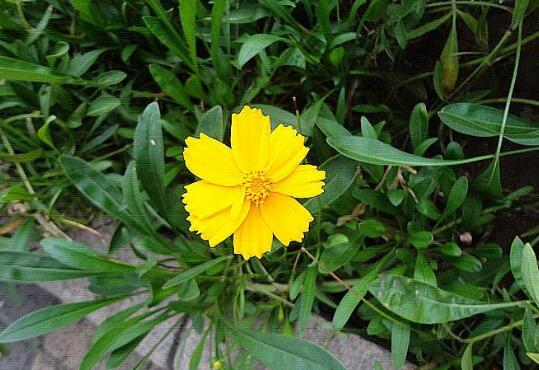
Detailed Guide to Growing Coreopsis from Seed, Survival Rate up to 95%
Among the propagation methods for coreopsis, there are three: sowing, cuttings, and division, of which sowing is the more commonly used one. However, for successful growing, there are many points to pay attention to. So how do you grow coreopsis? What is the method for growing coreopsis from seed? Below, the editor takes you through it.
-

Coreopsis can be propagated in three ways: by seed, by cuttings and by division.
Coreopsis is a flowering plant with high ornamental value, and it can be seen in many regions of our country. As more and more people grow it, questions about its propagation have also drawn considerable attention. How do you propagate coreopsis? What are the propagation methods for coreopsis? Below, the editor takes you through them.
-

How to grow Coreopsis and what to pay attention to: it needs plenty of sunlight
Coreopsis is a perennial herbaceous plant in the Asteraceae family, and it can be seen in many parts of China. However, to grow it well, there are many things we need to pay attention to. How do you grow coreopsis? What are the growing methods and precautions for coreopsis? Let's take a look below.
-
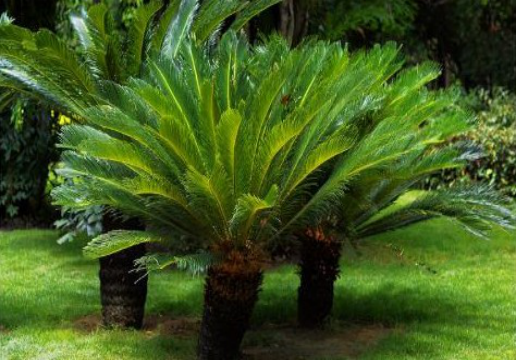
Core elements to master in cycad (sago palm) cultivation
1. Keep plenty of sunlight. Cycads love light, but they should not be placed in direct sunlight, especially in summer when the sun is very strong; give the cycad appropriate shade. 2. Suitable temperature. Cycads do not like weather that is too cold, so when winter temperatures are low, move them indoors to prevent cold damage.
-
-

Food education is a core concept of local development plans: the case of Japan's Kyoto municipal-level plan
Food education as a core concept of local development plans - the case of Japan's Kyoto municipal-level plan
条件筛选