-

Comprehensive control methods and technical key points for broccoli black spot disease
The morphological characteristics and growth habits of broccoli are basically similar to ordinary white cauliflower (cabbage). It belongs to the cabbage species of the Brassica genus in the Brassicaceae family, and is a 1-2 year herbaceous plant. It grows vigorously and has strong heat tolerance and cold resistance. The plant is tall; depending on the variety, after about 20 leaves have grown
-
Comprehensive Control Methods and Technical Key Points for Common Bean Viral Diseases
Common bean is cultivated throughout China. It originated in the Americas and is now widely planted in tropical to temperate regions. In China's northwest and northeast regions, it is cultivated in spring and summer; in north China, the Yangtze River basin, and south China, it is spring-sown and autumn-sown. It is suitable for planting in temperate and tropical high-altitude areas and is relatively cold-tolerant.
-
Comprehensive Control Methods for White Spot Disease in Mustard
Mustard is an annual or biennial herbaceous plant of the genus Brassica in the family Brassicaceae. It is a famous specialty vegetable of China, originating in China, and is a commonly cultivated vegetable throughout the country, mostly distributed in the provinces south of the Yangtze River. Mustard prefers cool and moist conditions, dislikes heat and drought, and is slightly tolerant of frost.
-
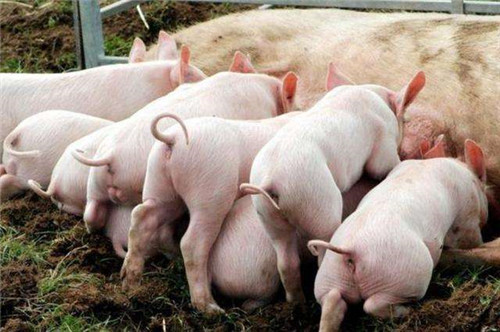
What to do about diarrhea in suckling piglets? 25 comprehensive prevention and control measures, none can be omitted
25 measures for comprehensive prevention and control of diarrhea in suckling piglets, none can be omitted!
-
Comprehensive Control Methods for Diseases, Pests, and Contaminant Organisms in Edible Fungi
Comprehensive Control of Diseases, Pests, and Contaminant Organisms in Edible Fungi
-
-
Mushroom topdressing methods and comprehensive prevention and control measures for diseases, pests, and contaminating microbes
Introduction to comprehensive prevention and control measures for diseases, pests, and contaminating microbes in edible mushrooms
-
Comprehensive control technology for chive maggot achieves research results
Comprehensive control technology for chive maggot yields results
-
What are the comprehensive prevention and control measures for pig pica?
Pica in pigs is one of the problems commonly encountered in pig production, and the disease occurs frequently, especially in winter and spring when light duration is insufficient and temperatures are low. Improper feeding management, an unsuitable environment, unbalanced feed nutrient supply, disease, and metabolic disorders are the triggers of this disease. Because of long-term pica, pigs often suffer stunted growth, emaciation, and loss of appetite, causing unnecessary economic losses for pig farmers. 1. Clinical symptoms Pigs suffering from pica show tail biting, ear biting, rib biting, and navel sucking, and are especially fond of eating chicken manure and drinking urine
-
Comprehensive Prevention and Control Methods and Technical Key Points for Porcine Respiratory Disease Syndrome
This disease is characterized by occurring throughout the year, in an endemic pattern, affecting pigs of all ages, mostly at 13-20 weeks of age, with a course of 2-8 days and a relatively high mortality rate. Symptoms: affected pigs show elevated body temperature of 40.5°C-42°C, depression, reduced or absent appetite, difficulty breathing, sometimes coughing, pale visible mucous membranes, pale or purplish skin, constipation or diarrhea, abortion and stillbirth in pregnant sows, and neurological symptoms in suckling piglets with high mortality. Pathological necropsy: necropsy of 6 dead pigs and 2 severely ill
条件筛选