-

What are the comprehensive prevention and control measures for hemorrhagic disease of farmed fish?
I. Affected species: grass carp, crucian carp, mud carp, common carp, and even silver carp. II. Symptoms: punctate or patchy hemorrhages on the head, orbit, fin base, and abdomen of the fish body, gill filaments bleeding or pale, sometimes ascites, and rotting at the ends of fin rays. III. Causes: 1. Fish diseases caused by bacteria are mostly caused by conditional pathogenic bacteria, and will not occur before the water environment has deteriorated. Only when various factors in the substrate and water body become unsuitable for the survival of fish, reducing the fish body's resistance, and at the same time water
-
Detailed Explanation of the Harm Caused by Duck Influenza and Comprehensive Prevention and Control Methods
Duck influenza is a highly lethal infectious disease caused by type A influenza virus that can infect ducks of all breeds and all ages, and it is currently the most serious disease harming the duck farming industry. 1. Epidemiological characteristics People used to generally believe that waterfowl were only carriers of influenza virus and did not become ill. However, since the mid-1990s, the fact that ducks infected with highly pathogenic influenza virus became ill and died broke the traditional understanding of duck influenza. Ducks are not only highly susceptible to influenza, but can also horizontally transmit it to terrestrial poultry and become a source of infection for their influenza. This is a trend that should be taken very seriously at present.
-
Comprehensive Prevention and Control Methods and Techniques for Common Rhododendron Diseases
The main diseases of rhododendrons include root rot, brown spot, black spot, leaf blight, and iron deficiency chlorosis. After a rhododendron contracts root rot, its growth weakens, the leaves wilt and dry up, and water-soaked brown patches appear on the root surface; in severe cases soft rot develops, with gradual decay and peeling of the bark, and the xylem turns black. This disease occurs most easily under conditions of high temperature and high humidity. The control method is to strictly disinfect the potting soil before repotting, and to keep the soil loose and moist with good permeability, avoiding waterlogging. If an affected plant is found, promptly deal with the diseased plant and the potting soil. For treatment
-
A Detailed Explanation of Comprehensive Prevention and Control Methods for Tail Biting in Pigs
Tail biting in pigs is a type of pica, a stress syndrome caused by disorders of nutritional and metabolic function, abnormal taste perception, and improper feeding management. The incidence rate is particularly high from August to December and from January to March, generally occurring in pigs weighing 18-80 kg, with a higher incidence rate in pigs weighing 24-40 kg (12-14 weeks of age). More sows are affected than boars; it is estimated that approximately 4.6% of boars and approximately 3.4% of sows are bitten. I. Causes of the Disease (I) Improper Feeding Management: High stocking density and too many pigs per pen
-
Key Points and Methods for Comprehensive Prevention and Control of Fish Surfacing
From June to October each year, temperatures are high and the weather is muggy. If fish are stocked at excessive density and water quality deteriorates, it can easily cause fish to surface due to oxygen deficiency, or even suffocate to death. In severe cases, all pond fish can die within 1 to 2 hours. Therefore, correctly analyzing the causes of fish surfacing and identifying the signs and severity of fish surfacing is of great significance for strengthening routine management and promptly rescuing fish from pond turnover. (1) Causes of fish surfacing. There are mainly the following aspects: (1) Blindly overfeeding and overfertilizing, resulting in excessively fertile water, massive proliferation of plankton, rising oxygen consumption by organic matter and declining dissolved oxygen.
-
Comprehensive Control Methods for Damping-Off Disease in Spruce Seedlings Grown in Greenhouse Tunnels
In high-cold mountain areas, greenhouse tunnel seedling cultivation is usually adopted to shorten the cultivation period of spruce seedlings and enable earlier out-planting. The special environment of the greenhouse tunnel creates conditions for the breeding and spread of various pathogenic bacteria and organisms that cause damping-off in newly sown spruce seedlings, and improper control can lead to failure of seedling cultivation. To control damping-off in newly sown spruce seedlings in greenhouse tunnels, the policy of "prevention first, comprehensive control" must be adhered to. 1 Damping-off symptoms The symptoms of damping-off mainly manifest in 4 types: (1) After sowing but before emergence, seeds and ungerminated sprouts rot and die in the soil,
-
Comprehensive Control Methods and Technical Key Points for Mold Contamination in Nameko Mushroom Cultivation
Nameko mushroom, also known as slippery mushroom, has a delicious flavor and is rich in nutrients, enjoying a high reputation on the international market. In recent years, the nameko mushroom industry in our county has developed rapidly, but mold contamination occurs commonly, causing reduced yields in mild cases and total crop failure in severe cases. Therefore, whether mold contamination can be effectively prevented is the key to improving the quality and yield of nameko mushrooms. 1. Types of mold and their damage In nameko mushroom cultivation, common contaminating molds include Trichoderma, Penicillium, Neurospora, and Aspergillus. These molds rapidly reproduce and spread under conditions of high temperature, high humidity, and poor ventilation, and in the later stage form green
-
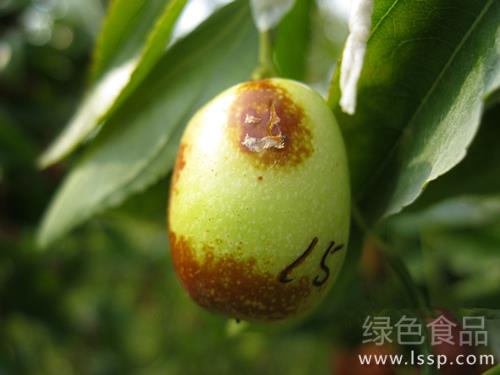
Jujube fruit rot causes the jujube flesh to become soft, with a wine-like odor and a moldy, sour taste. How can it be comprehensively controlled?
Comprehensive control measures for jujube fruit rot, which causes soft flesh with a wine-like odor and a moldy, sour taste
-
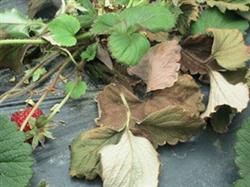
The Harm of Strawberry Verticillium Wilt and Its Comprehensive Control Methods
Strawberry Verticillium wilt is a soil-borne disease. It has been an important factor affecting and troubling the expansion of strawberry production in recent years. Because strawberry is a perennial plant, continuous cropping in the same field for many years causes a large accumulation of pathogens in the soil, and combined with factors such as declining varietal disease resistance and poor field management, it leads to strawberry...
-
Comprehensive Management and Control Methods for Spinach Downy Mildew
Comprehensive management of spinach downy mildew means integrated management of spinach downy mildew. 1. Fertilizer and water management. Spinach prefers fertile, moist, cool conditions and dislikes drought and waterlogging; it is a fast-growing vegetable. Therefore, during the growing period, sufficient fertilizer and water must be supplied in a timely manner. From sowing to full emergence, the soil must be kept moist to ensure full emergence. At the 3-leaf stage, cultivate and weed, ...
条件筛选