-

The Complete Guide to Edible Mushroom Cultivation Techniques: A Full Explanation of the Growing Methods
The Complete Guide to Edible Mushroom Cultivation Techniques
-
A Complete Guide to Autumn Mushroom Sowing Techniques
Autumn Is the Season for Mushroom Sowing Techniques
-
A Complete Analysis of the Key Technical Points of Circular Production of Edible Fungi
Circular Production Technology for Edible Fungi
-
-
Complete Guide to Drying Methods and Pest and Disease Control for Edible Mushrooms
Guide to Edible Mushroom Drying Methods
-
Ten Methods for Preserving Edible Fungi and a Complete Guide to What You Need to Know About Introducing Them
Ten Methods for Preserving Edible Fungi
-
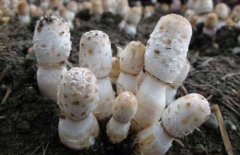
Complete List of Common Edible Mushroom Species Names
There are an enormous number of mushroom species; within the known range, mushrooms comprise as many as 36,000 species, distributed all over the world, with forest leaf-litter areas being the most abundant. So which mushroom species are common? Let's take a look below. Chicken leg mushroom: also
-
A Complete Guide to New Summer Cultivation Methods for Straw Mushrooms
Straw mushrooms are the only high-temperature, fast-growing variety among edible fungi. The cultivation substrate is mainly rice straw and wheat straw. They are delicious and nutritious. The summer cultivation techniques are introduced as follows: Preparation of mushroom beds. The mushroom beds are set up inside a plastic greenhouse, and the greenhouse is covered with plastic film and straw mats to retain warmth and moisture. The mushroom beds are 1 m wide, with unlimited length, and the spacing between beds is 30 cm, which can serve both as walkways and as water storage ditches. On the beds, sunken mushroom troughs are dug crosswise. The troughs are 30 cm wide and 20 cm deep, with a 20 cm small soil ridge left between troughs. Within the troughs, spray 0.2
-
A Complete Analysis of the New Machine-Bagging and Irrigation Technology for Oyster Mushroom Cultivation
Drawing on shiitake mushroom production techniques to grow oyster mushrooms, a new machine-bagging and bag-cultivation technology for oyster mushrooms has been summarized, and it is introduced as follows: 1. Preparation of spawn bags: according to the formula of 88% cottonseed hulls, 10% wheat bran, and 2% gypsum, add 1.1-1.2 kg of water per kg of dry material. Use the special bagging machine for shiitake production to fill the material into 55×15×0.004 cm low-pressure polyethylene plastic bags, with each bag holding 2.1-2.3 kg wet weight of material. Then, put the material bags into a sterilization stove for sterilization; after the temperature rises to 100°C, keep it for 10
-
A Complete Guide to New High-Quality Cultivation Techniques for the Oyster Mushroom
The oyster mushroom, also known as the small oyster mushroom, has a crisp, tender texture, a delicious flavor and rich nutrition. It is a type of oyster mushroom harvested when the cap diameter of the fruiting body is less than 3 cm; because the mushroom body is small, fresh and tender, and tasty, it sells extremely well on the market. Over the 2 years since our center introduced it, we have refined and summarized its biological characteristics and cultivation techniques. The new high-quality cultivation techniques for the oyster mushroom are summarized below. 1 Cultivation season The oyster mushroom is a low-temperature type of fungus; its fruiting temperature range is 5-22°C, with the optimum fruiting temperature range being 13-18°C. In this region it is suitable to fruit in September-
条件筛选