-
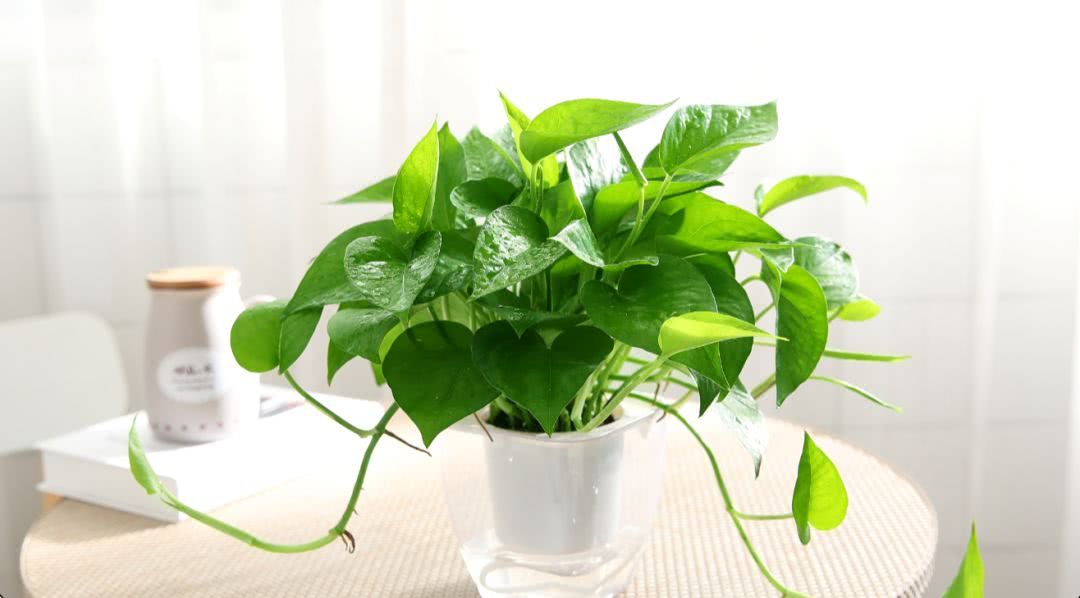
How to grow pothos in water? A complete guide from propagation to care
Water-cultured pothos, as the name suggests, is growing pothos using the water culture method. This seemingly simple way of growing pothos has recently drawn many "pothos fans" saying it "doesn't work," and most of the pictures sent back show yellowing leaves or soft, mushy stems...
-
What are the benefits and effects of sesame? A complete guide
Calcium supplement: Sesame has an extremely high calcium content, so eating it can supplement calcium. Nourishes and darkens hair: Eating it can promote melanin synthesis and prevent white hair. Moisturizes the skin: It contains antioxidants and can moisturize the skin. Promotes digestion: It contains B vitamins and can promote digestion. Lowers blood pressure and blood lipids: It also helps lower blood pressure and blood lipids.
-
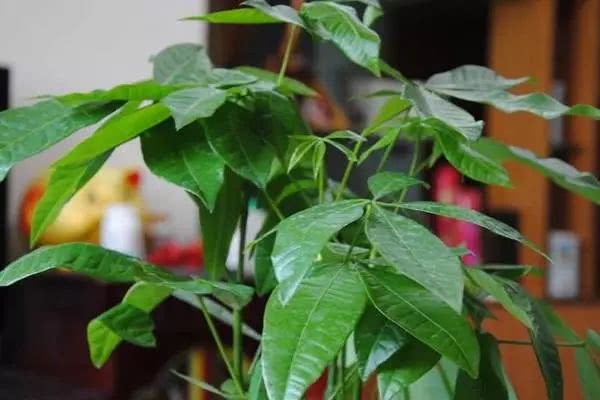
A super complete guide to pruning the money tree, easy to learn in one go
Money trees come in big and small sizes, and their growth rates differ too, so do money trees need pruning? The answer is definitely yes. Pruning the money tree at the right time can keep the tree shape attractive and stimulate new buds to sprout. Below, the editor will share with you the money tree...
-

Complete Guide to Growing and Bonsai-Making for Snow-in-June
Snow-in-June [Latin scientific name: Serissa japonica (Thunb.) Thunb.], an evergreen small shrub in the family Rubiaceae, can reach a height of 90 cm and has an unpleasant odor. The leaves are leathery with short petioles. The flowers are solitary or several clustered at the tips of small branches or axillary, the corolla is pale...
-
How to Grow Chrysanthemums? A Complete Guide to Care Methods and Things to Note
To grow chrysanthemums, use loose, sandy soil with good drainage. Water promptly during dry weather and drain promptly during the rainy season. Ensure sufficient nutrients during the growing period, and give it about 12 hours of light each day. Propagation can be done by cuttings or root division, and common pests and diseases should also be prevented.
-
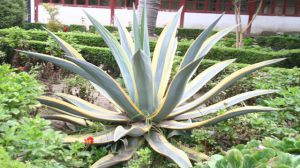
How to Grow Agave? A Complete Guide to Care Methods
To grow agave, soil that is loose, fertile and well-draining is best; give plenty of water during the growing season, and restrict water in winter; provide scattered light normally, and shade appropriately in summer; the temperature is best kept between 15 and 25 degrees; fertilizer is not needed much, and applying it once during the growing season is enough to meet its needs. When pests and diseases are common, promptly use pesticides for control.
-
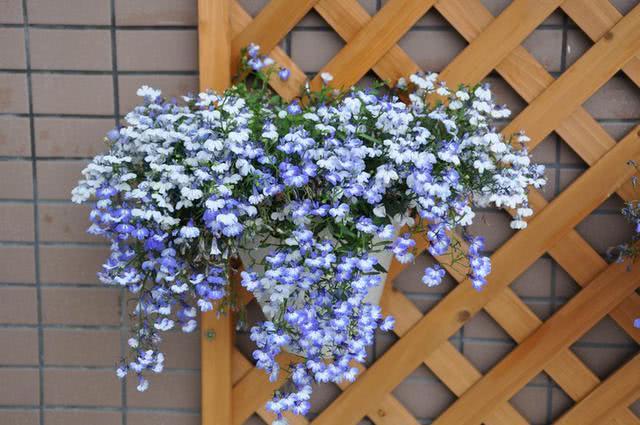
Complete Guide to Lobelia Varieties and Tips for More Blooms: Flowers Filling the Pot and Easy to Care For
Do you want your yard to be full of blooming flowers? Many people love flowers, and love lots and lots of flowers, but many flowers do not bloom much. However, there is one variety that can meet your needs, and that is lobelia, whose flowers are so...
-
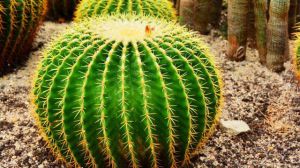
How to Grow a Cactus (Ball Cactus)? A Complete Guide to Care Methods and Tips
To grow a ball cactus, use acidic or slightly acidic soil, keep the soil moist, and give it plenty of light except in summer. Fertilize mainly with phosphorus fertilizer, and do not apply too much. It can be propagated by cuttings or sowing. In addition, improve ventilation, control water properly, and prevent pests and diseases.
-
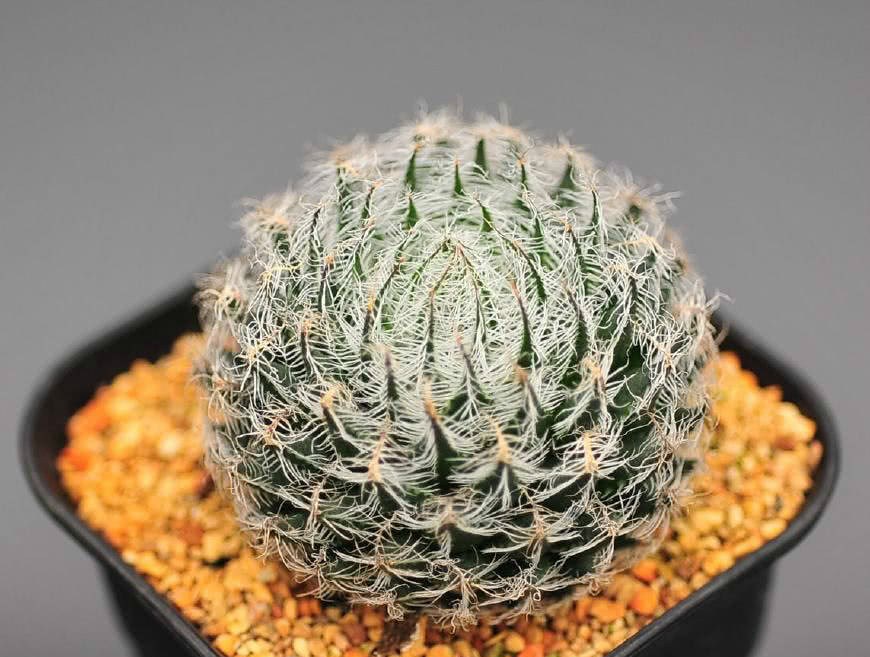
The complete succulent plant family guide, with detailed introductions from an expert
Thanks to Ruhua for the material steel wool, small seedling started at 3-4cm, 4 years to 8cm, topped once during that time; the crested form of Rain Swallow, leaf propagation for about two years; White Bird, it had this many heads when bought but they were not this big, no specific records kept, but it has grown quite a lot; Thumb Fairy Cup 8c...
-
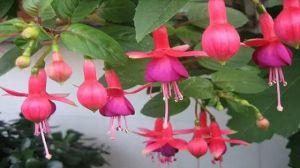
How to grow fuchsia? A complete guide to care methods
To grow fuchsia, provide loose, fertile soil with good drainage; during the growing period, apply a fertilizer containing nitrogen and phosphorus once every ten days; keep the soil moist during the growing period, and control watering during the flowering period. The temperature is best at 15 to 25 degrees; light should not be too strong, scattered light is enough. In addition, repot in spring and loosen the soil appropriately.
条件筛选