-

What month does the rain lily bloom? A detailed guide to its flowering period
The rain lily is a collective term for multiple similar-looking bulbous plants in the Amaryllidaceae family. Because it often blooms suddenly after heavy rain in spring and summer, and its flower shape resembles a lily, it is also called the rain lily. Do you know what month the rain lily blooms? The rain lily's flowering period is generally
-
-
-
-

Yunnan Dianxue Grain and Oil Company warmly commends and rewards advanced collectives and outstanding employees
Food Safety Yunnan Yuxi, February 11 (Hua Chengming, Liu Kelin) "Snow says to spring, I am leaving, we will meet again next spring; spring says to snow, keep moving forward, in spring we will surely meet..."
-
Six backward villages in Yongning County, Ningxia achieve collective transformation
Six backward villages in Yongning County, Ningxia undergo collective "makeover"
-
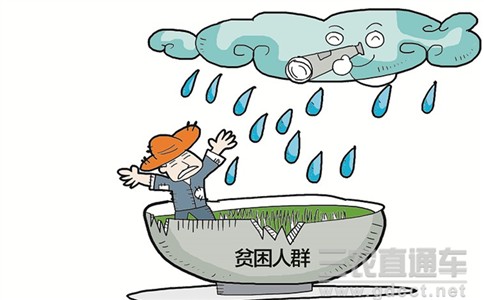
Pilot Program Supporting Village-Level Collective Economic Development to Expand to 13 Provinces
Pilot Program Supporting Village-Level Collective Economic Development to Expand to 13 Provinces
-
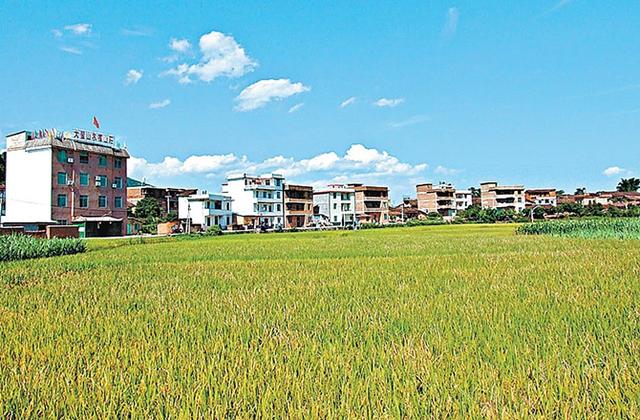
Are small property rights houses protected after collective operating construction land enters the market?
Collective operating construction land enters the market: are "small property rights houses" protected?
-
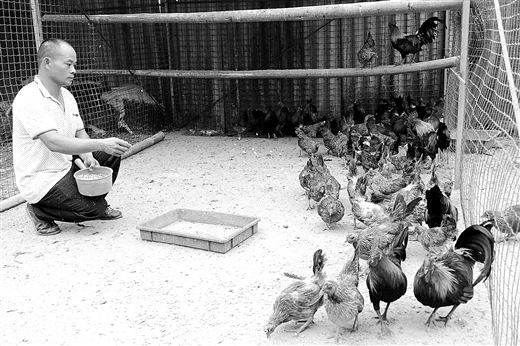
Taming red junglefowl and taking a new path to prosperity through collective effort
Taming "red junglefowl" and prospering together
-
Conditions Required and Main Technical Requirements for Collective Rearing of Young Silkworms
I. The Purpose of Collective Rearing of Young Silkworms. As the saying goes, "Rearing young silkworms well is half the harvest," which fully illustrates the importance of rearing young silkworms. The purpose of collective rearing of young silkworms is to strengthen the constitution of young silkworms, ensure the safety of grown silkworms, and achieve high-quality and high-yield cocoons. Advantages of collective rearing of young silkworms: (1) It facilitates scientific silkworm rearing, adopts advanced silkworm rearing techniques and facilities, promotes uniform development and strong constitution of young silkworms, provides a guarantee for grown silkworm rearing, and lays the foundation for high and stable cocoon yields. (2) It facilitates disinfection and disease prevention. It overcomes the difficulties of young silkworms' weak resistance to adverse environments and susceptibility to pathogen infection, reduces lost silkworms, and ensures the number of silkworms. Collective rearing of young silkworms can achieve comprehensive disinfection of rearing rooms and equipment and strict disease prevention measures, reducing opportunities for pathogen infection and effectively controlling the occurrence of silkworm diseases. (3) It helps improve work efficiency. Collective rearing of young silkworms can save mulberry leaves, labor, fuel, equipment and housing, reduce silkworm rearing production costs, and improve economic benefits.
条件筛选