-

How to Grow Rain Lilies? Detailed Guide to Planting Methods and Care Tips
A detailed introduction to rain lily planting methods and care tips, including how to grow rain lilies, soil mix, light and watering, propagation methods, fertilizing and pruning, pest and disease control, and other practical content.
-
How to Grow Rain Lilies? Detailed Guide to Planting Methods, Daily Care and Propagation Techniques
A detailed introduction to rain lily planting methods and care techniques, including how to grow rain lilies, soil mixing, light and watering, propagation methods, fertilizing and pruning, pest and disease control, and other practical content.
-

How Many Times a Year Does the Rain Lily Bloom? Detailed Guide to Planting Methods and Precautions
The rain lily (Zephyranthes), a flower with tenacious vitality. The number of times it blooms in a year is not fixed, but is influenced by many factors, such as the planting environment, climate conditions, and care methods. Generally speaking, the rain lily can bloom 1 to 4 times a year, and the exact number of blooms depends on the actual conditions. In warm and humid
-
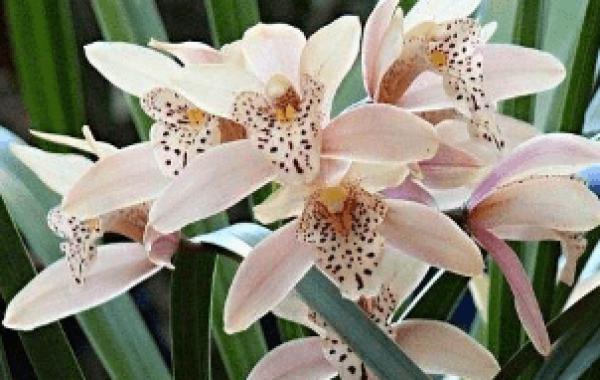
What is the flower language and meaning of the rain lily?
What is the flower language of the rain lily?
-
A Complete Guide to the Latest Growing Methods for Rain Lilies
Rain lilies often burst into bloom suddenly after heavy rain in spring and summer, which is how they got the name "rain lily"; and because their flower shape resembles a lily, they are also called "rain lily" (Zephyranthes). Their colors are vivid, and the flowers they produce are extremely beautiful, with very high ornamental value. Many people often run into all kinds of problems when growing them.
-
How to grow rosy rain lily (Zephyranthes grandiflora)? The latest cultivation methods and precautions
The rosy rain lily (Zephyranthes grandiflora) looks like a chive, with relatively large, trumpet-shaped flowers resembling daffodils. Although its appearance is fairly ordinary, it is often planted in large drifts in gardens to form ground cover, and when in full bloom it creates a brilliant red expanse with extremely strong ornamental value. At present, Zhao Weiguo it is often cultivated in parks and courtyards in various places,
-
What to Do If Rain Lilies Won't Bloom? A Detailed Guide to the Latest Solutions
Rain lily is a plant in the Amaryllidaceae family, and also a general term for several similar bulbous plants. It usually blooms in spring and summer, and is especially likely to flower after a rain. Rain lilies come in many colors, including red flowers, pink, yellow,
-
How to plant rain lilies in the latest season? Rain lily planting methods
Rain lily is also known as rain lily; it is mainly distributed across most of South America; its rhizome is short and small, its leaves are relatively slender and numerous, and are blue-green, and its flowers generally bloom on the main stem, are fewer in number, and are usually pink or light pink. A few
-
The Complete Guide to the 14 Major Benefits and Effects of "Brain-Boosting Vegetable" Daylily: Is Fresh Daylily Really Toxic? Eat It This Way and There Is No Toxicity at All!
Daylily is relatively common in Northeast China, where it is a home-style dish, and people there often call it the "brain-boosting vegetable." In fact, daylily is now grown all over the country and can serve as a nourishing dish for women after childbirth. So what are the benefits and effects of daylily? Fresh
-
Datura Flower, also known as Yangjinhua: its benefits, effects, contraindications and toxicity, and how it differs from the red spider lily
Yangjinhua, also called datura flower, is a beautiful ornamental plant that can also be used as medicine, with an outstanding anesthetic effect, and can also relieve asthma and stop coughing. So what are the benefits, effects and contraindications of Yangjinhua? Is it toxic? How is it different from the red spider lily? 1. Yang
条件筛选