-

Breeding Methods and Key Keeping Techniques for the White Cloud Mountain Minnow
Morphological Characteristics of the White Cloud Mountain Minnow The White Cloud Mountain minnow, also known as the Baiyun Mountain fish, Tang fish, red-tailed fish, and colorful golden-line fish, belongs to the Cyprinidae family and originates from Guangdong, China. The White Cloud Mountain minnow was first discovered in the Baiyun Mountain in the northern suburbs of Guangzhou, Guangdong Province, China, hence the name Baiyun Mountain fish. The White Cloud Mountain minnow is about 3-4 cm long, with a spindle-shaped, slender body that is slightly laterally compressed, a small head, large eyes, and a bluntly rounded snout. The back of the fish is tea-brown with a slight blue tinge, the belly is silvery white, the dorsal fin and caudal fin are bright red, the tips of the pelvic fins are yellow, and the center of the tail is also red.
-
Processing method for cloudy peach juice beverage
(1) Process flow: raw material selection -> fruit washing -> blanching -> crushing -> pulping -> filtering -> blending -> deaeration -> homogenization -> sterilization -> filling -> sealing. (2) Technical key points: ① Raw material selection: select well-ripened fruit, remove diseased, insect-damaged and rotten fruit, and pick out underripe fruit for further ripening before use. ② Washing: wash off surface dirt with clean water, or use detergent to remove the fuzz from peach skin. When pesticide residues are high, rinse with a 1% hydrochloric acid solution, then wash clean with water. ③ Blanching: at 80-
-
Breeding Methods and Keeping Tips for the White Cloud Mountain Minnow
Morphological Characteristics of the White Cloud Mountain Minnow The White Cloud Mountain Minnow, also known as the White Cloud Mountain fish, Tang fish, red-tailed fish, or golden striped minnow, belongs to the carp family and originated in Guangdong, China. The White Cloud Mountain Minnow was first discovered on Baiyun Mountain in the northern suburbs of Guangzhou, Guangdong, China, hence the name White Cloud Mountain fish. The White Cloud Mountain Minnow is about 3-4 cm long, with a spindle-shaped, slender body that is slightly laterally compressed, a small head, large eyes, and a bluntly rounded snout. The back of the fish is tea-brown with a slight blue tint, the belly is silvery white, the dorsal fin and caudal fin are bright red, the tips of the pelvic fins are yellow, and the center of the tail is also red. From the snout
-
Why is high-mountain cloud-and-mist tea of such good quality?
That high mountains and cloud and mist can produce good tea is something people have come to recognize gradually through long years of production practice. Green tea from cloudy and misty mountains has a high aroma, a rich and full flavor, is fresh and brisk, and is of good quality. The reasons for this are mainly related to the ecological factors of high mountains. First, in tea gardens at a certain altitude, with high mountains and dense forests, abundant rainfall, moist air and plenty of scattered light, a unique set of ecological conditions is formed, resulting in deep and fertile soil, short sunshine hours and high relative humidity there; the tea plants are nourished by mist and dew all year round, which exactly suits their growth characteristics of liking warmth and moisture and tolerating shade.
-
What kind of tea is Longji Cloud Mist Tea? Characteristics and quality introduction
Longji Cloud Mist Tea grows in the Longji Rice Terraces scenic area, known as one of the world's wonders. The tea garden is at an altitude of over 800 m, in a subtropical monsoon zone. Affected by the alternation of cold and warm air, it has four distinct seasons, abundant rainfall, high organic content, short sunshine hours, and high humidity. Streams flow murmuringly all year round, and clouds and mist swirl around. On clear days, tea spreads across the fields morning and evening; on rainy days, clouds fill the mountains. This unique, pollution-free growing environment is an ideal place for forming the high-mountain cloud-mist quality of tea aroma. It has a long history; during the Qianlong period it was once a tribute item, recorded on a stone tablet in Duanzhai, Longji Village, and its quality is excellent.
-
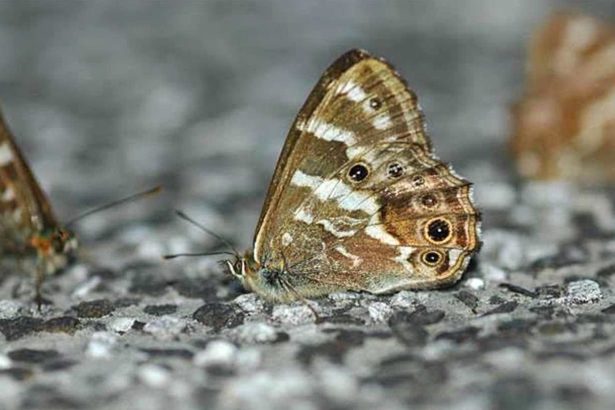
Autumn is the perfect time for butterfly watching on Hehuan Mountain, where you can encounter the Formosan Clouded Apollo and the Yushan Shadow Butterfly
Autumn is the perfect time for alpine butterfly watching! Meet the Formosan Clouded Apollo and the Yushan Shadow Butterfly on Hehuan Mountain
-

What causes the leaves of the cloud bamboo (Asparagus setaceus) to turn yellow?
There are many reasons why the leaves of the cloud bamboo (Asparagus setaceus) turn yellow. If it is caused by improper watering, water it promptly and appropriately, keeping the soil dry-then-wet. If it is caused by light that is too strong, move it promptly to a semi-shaded spot for care. If it is caused by temperature that is too low, move it indoors to grow, and the temperature must not be lower than 10 degrees. If it is caused by improper fertilizing, water it promptly and appropriately to wash the fertilizer away.
-
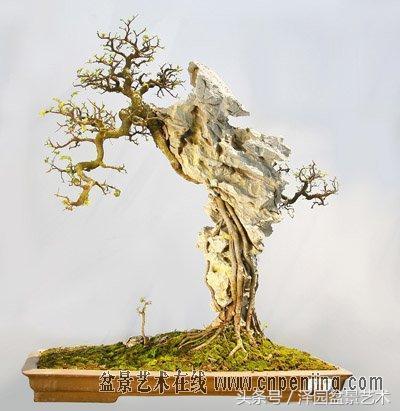
This is what is meant by "cloud head, rain feet, beauty's waist" in bonsai.
Did you like this article? Share it right away so more people can see it! The content on this site is rich, substantial and profound. Our editors select the hottest news every day and update it at any time. Click "Be the first to get the latest news" to browse! Please continue...
-
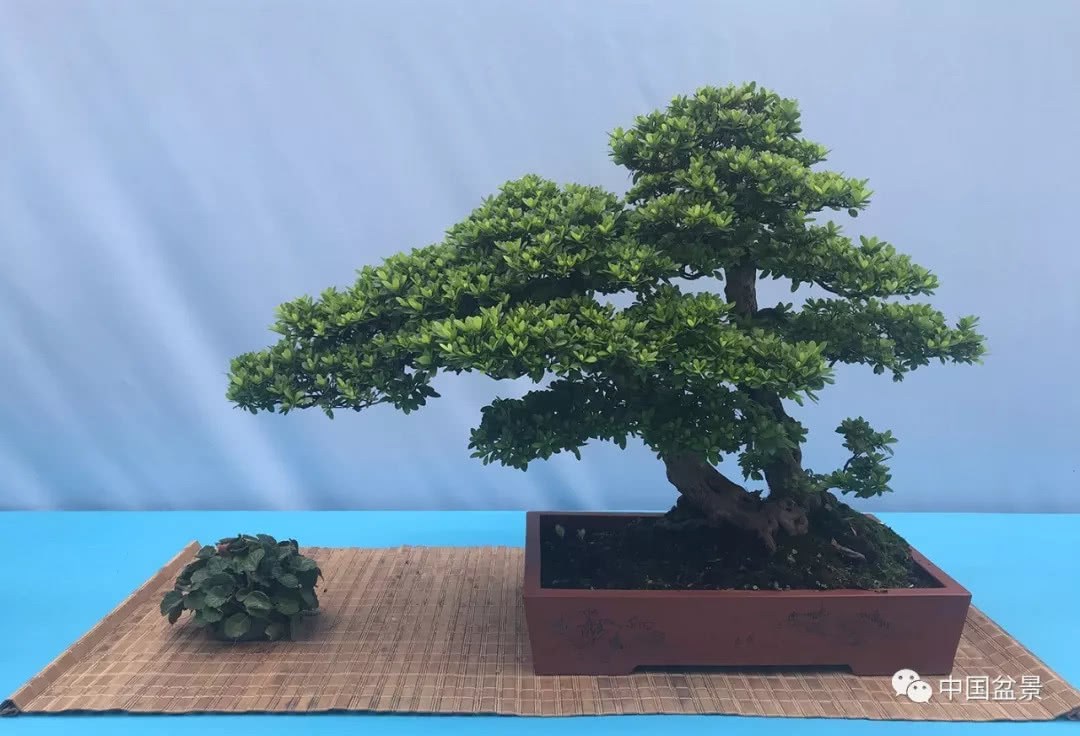
Enjoy the frame-style bonsai Moon in the Clouds, and live every day with relish
[Bonsai Enthusiast's Reflections] Text | Xiamen, Fujian @Zhou Yingzhi There is a kind of exhaustion called overthinking; overthink a small matter, and it wears you out both mentally and physically; overthink a big matter, and you pile pressure on yourself; overthink a good thing, and...
-

A Detailed Guide to Preventing and Treating Cloudy Eye Disease in Oscar Fish
Methods for Preventing and Treating Cloudy Eye Disease in Oscar Fish
条件筛选